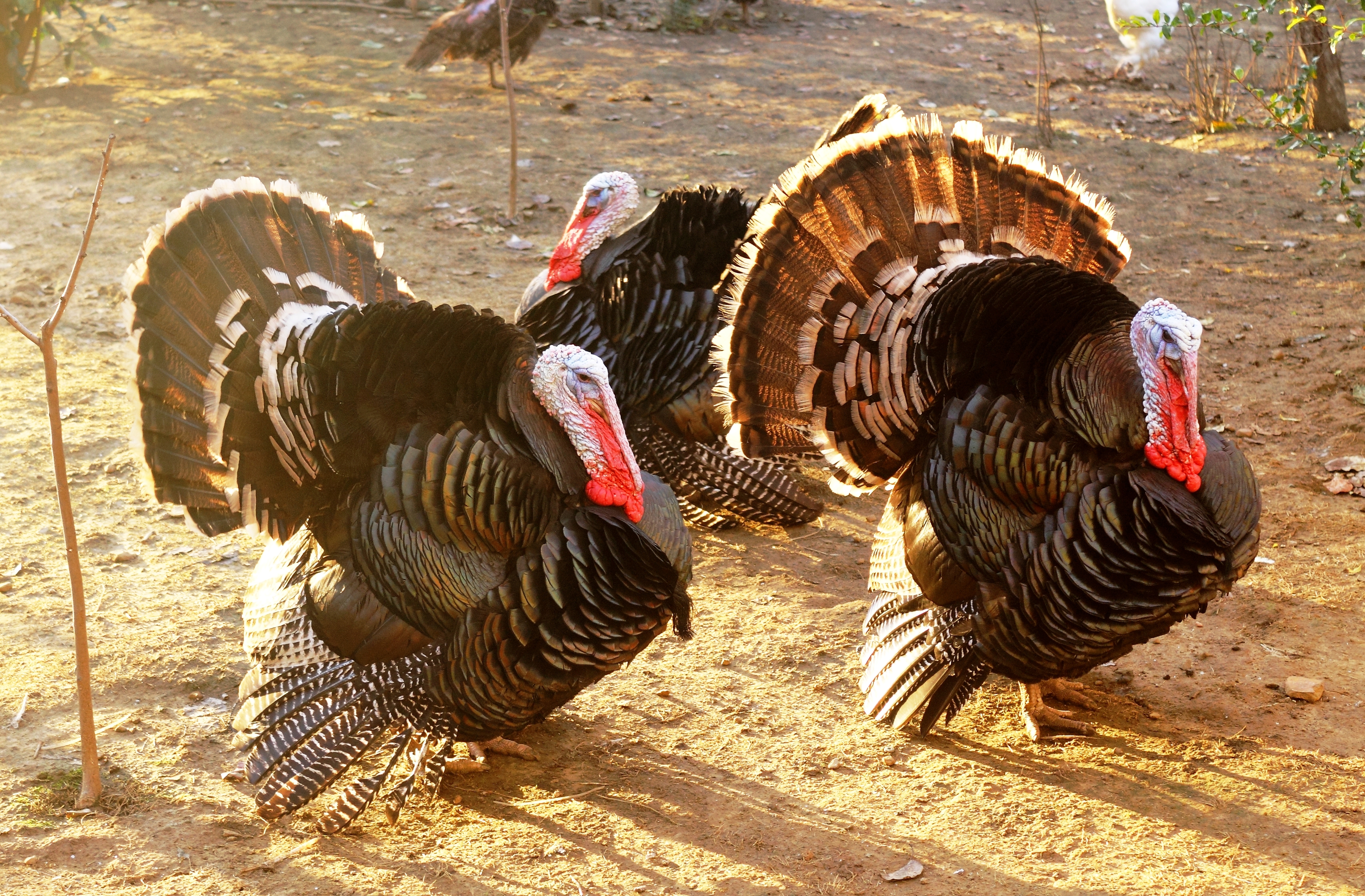
Turkey has become a fixture of Nigerian celebrations, crowding freezer aisles ahead of Christmas and Easter. Yet most of the bird on those tables was raised somewhere else. Nigeria's turkey supply is highly concentrated in a handful of foreign sources, with Italy, the Netherlands and South Africa together accounting for the overwhelming majority of import value, according to a market analysis by IndexBox.
A Concentrated Import Trade
The trade leans heavily on a few suppliers. Those three countries supplied about 96 per cent of Nigeria's turkey meat import value in a recent year, with the United States adding a further share, and the average import price stood at roughly $2,723 per tonne, according to IndexBox. That dependence has persisted for years and is expected to continue given the concentrated supply structure, leaving a festive staple exposed to shipping costs and exchange-rate swings.
A Wide Local Gap
The room for home-grown turkey is large because poultry demand far outstrips local output. Nigerians consume well over 1.5 million tonnes of poultry meat a year, but domestic farms meet only about 30 per cent of demand, leaving the rest to imports and smuggling, according to an industry overview by Babban Gona. Turkey rearing is technically demanding but feasible, and closing the gap would keep more of the festive spend inside the country. The Central Bank has previously restricted access to official foreign exchange for importing poultry products including turkey, a measure meant to nudge buyers toward local supply, according to Zootecnica International.
The Cost Problem
The reason imported birds keep winning is price. Local poultry is expensive to raise largely because of the high cost of feed, which is driven by maize and soybean prices, making smuggled and imported frozen products cheaper for shoppers, a dynamic that has dogged Nigerian poultry for decades, according to Current Affairs. The stakes are significant for jobs and the economy, with poultry farmers warning that a sector valued at over ₦12 trillion and supporting millions of livelihoods is vulnerable to cheap imports, according to Food Business Africa.
Raising more turkey at home would deepen the protein supply and keep festive spending in local pockets. FoodPrices Nigeria tracks verified retail prices across Lagos markets and follows the import-heavy foods whose costs ride on global prices and the naira.