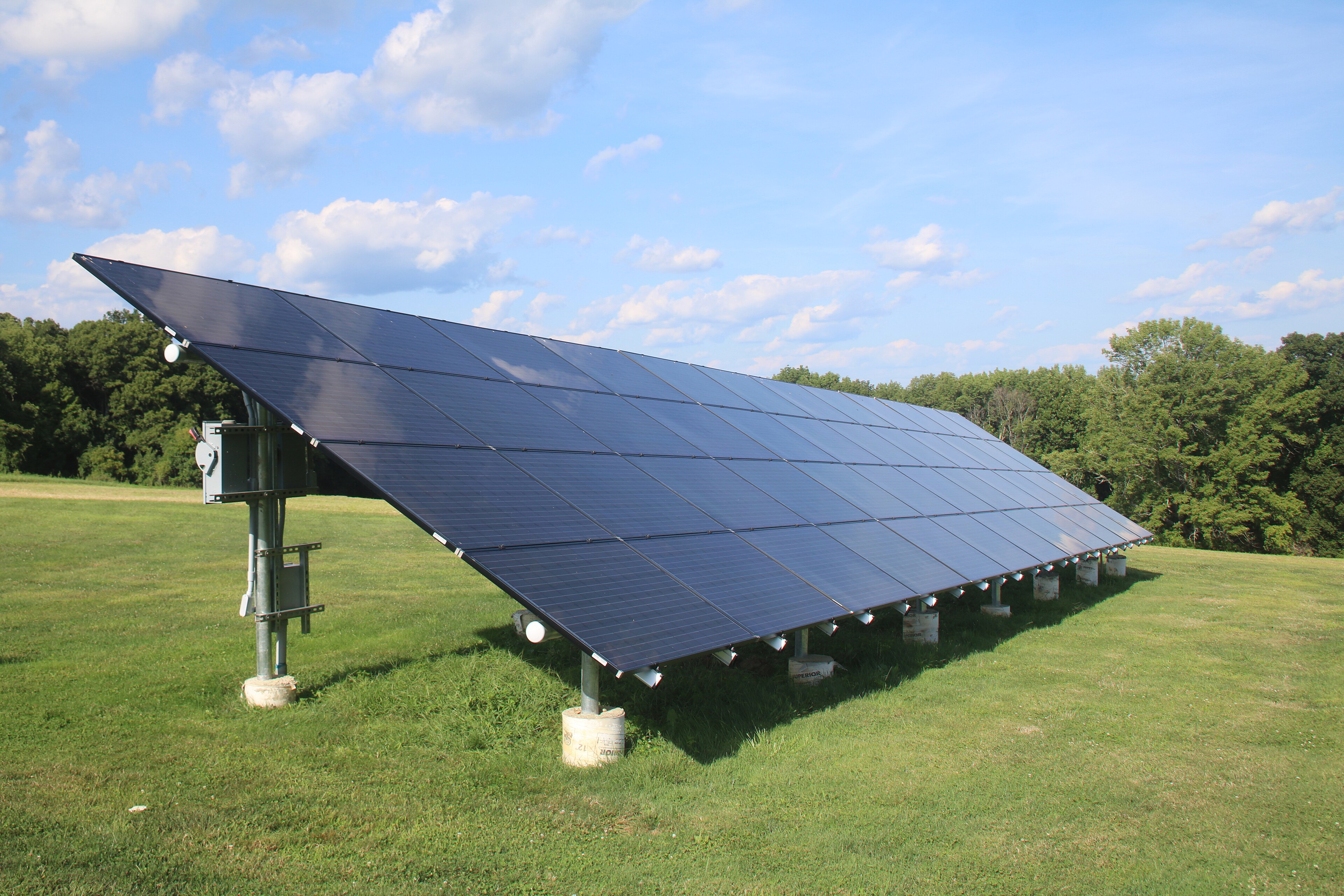
Nigeria is looking at a way to grow food and generate electricity on the very same field, a dual-use approach that could ease two of its deepest shortages at once. The method, known as agrivoltaics, places solar panels above or between crops so that land produces both energy and harvest, and new analysis suggests the country is unusually well suited to it.
A Northern Sweet Spot
A geospatial assessment published in Scientific Reports found that Nigeria's northern states offer the greatest potential, because they combine abundant cropland, high solar irradiance, water stress and low electricity access, according to the study in Nature. The same research estimated that northern states could meet their projected 2050 solar energy targets by allocating less than 1 per cent of existing cropland to agrivoltaics, with Kano, the most populous state, needing only about 0.6 to 1.8 per cent. Humid southern regions, including the area around Lagos, scored lower because of weaker solar potential and sparser cropland.
Shade That Helps the Harvest
The appeal is not only electricity. In hot, water-stressed regions, partial shade from solar panels can reduce heat and evaporation stress on crops, according to pv magazine, which reported that meeting mid-century solar demand in Kano, Katsina and Jigawa could be achieved on less than 1.5 per cent of cropland. The panels can lift soil moisture and shield shade-tolerant crops, turning a harsh microclimate into a more forgiving one.
Government Interest, Real Hurdles
The Federal Government has signalled support. The Minister of Innovation, Science and Technology, Uche Nnaji, backed agrivoltaic farming as a route to stronger food and energy security during the first International Agrivoltaics Workshop in Abuja, which also saw the launch of a book on the subject produced with the University of Abuja and researchers at Oregon State University, according to African Farming. The obstacles are equally clear. A governance study of the technology recorded strong support for adoption but flagged high infrastructure costs, gaps in technical expertise and land tenure disputes as the main barriers, according to research in Energy, Sustainability and Society.
Why It Could Matter for Prices
Solar arrays over farms could power irrigation pumps, cold storage and processing equipment, cutting the diesel bills and post-harvest losses that push food costs up. Nigeria's agricultural sector contributes roughly 22 per cent of the economy and employs more than a third of the workforce, yet it grapples with chronic energy shortfalls, the Energy, Sustainability and Society study noted, which is exactly the bind agrivoltaics is meant to loosen.
FoodPrices Nigeria tracks verified retail prices across Lagos markets and follows the innovations, from irrigation to clean energy, that could steady supply and ease the cost of feeding a household.