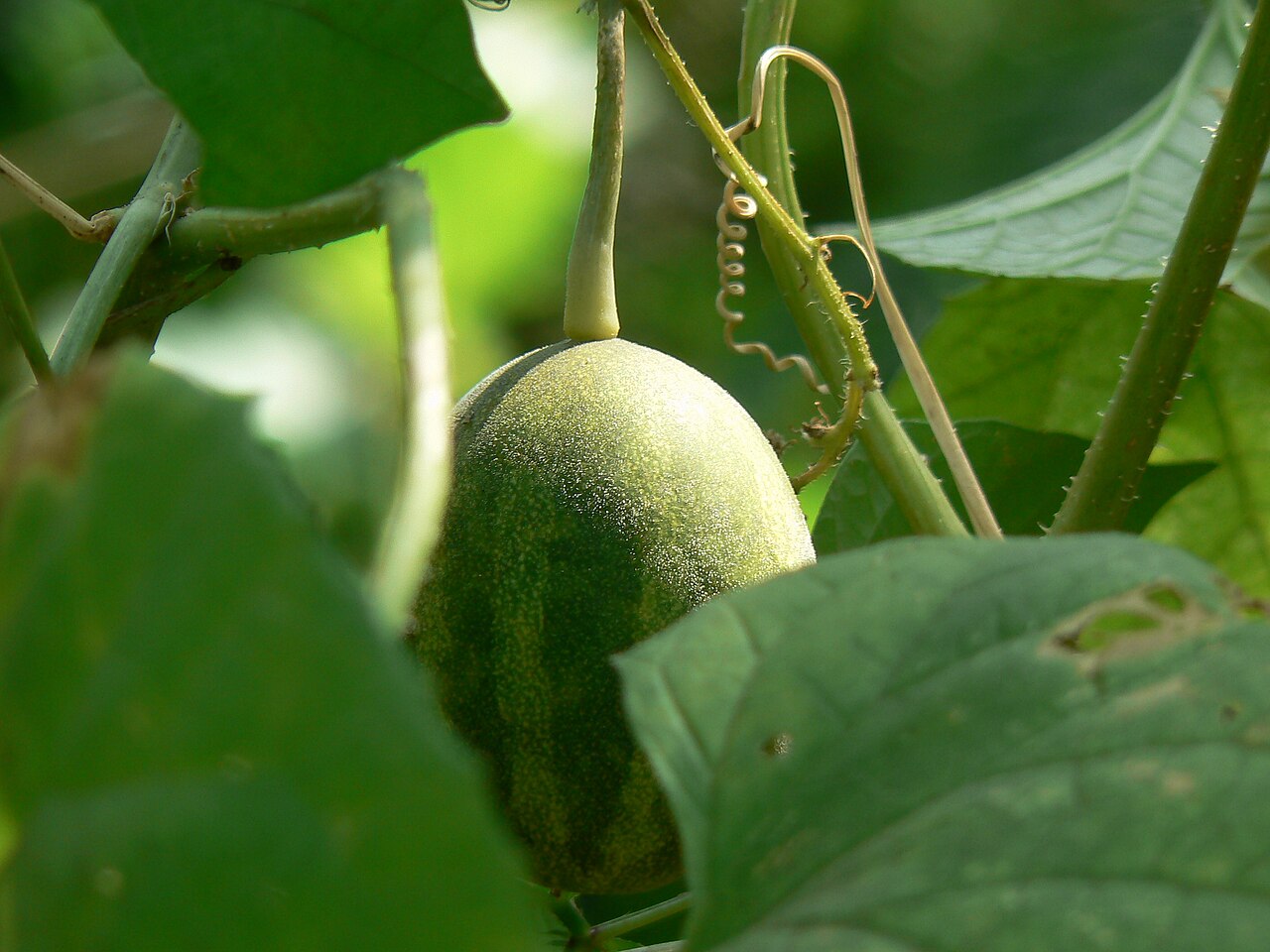
Egusi soup is a fixture of Nigerian tables from Lagos to Enugu, thickened with the ground seeds of a humble melon. Yet the country cannot grow enough of that seed to meet its own appetite, and the shortfall keeps a beloved staple stubbornly expensive.
Demand Outruns the Harvest
The gap is wide. National melon production is estimated at about 573,000 tonnes a year against domestic demand of more than one million tonnes, with the crop valued at roughly $495 million, or about ₦744 billion, at prevailing prices, according to FreshPlaza. Egusi is central to everyday cooking, high in protein and oil, and used well beyond the soup pot in snacks, cooking oil and livestock feed, which keeps demand climbing faster than supply.
A Cheap Crop That Sells Dear
The economics are striking. Melon is relatively cheap to grow, with a short three to four month cycle, yet it commands premium prices in the market, and farmers have described a single bag fetching around ₦100,000, according to Daily Trust, which noted that among cash crops only sesame rivals its returns. Despite that, the crop has long attracted little policy attention, leaving its potential to lift rural incomes largely untapped even as urban demand grows.
Why It Keeps Getting Pricier
Egusi has also shown up in the official inflation numbers. Melon was among the items the National Bureau of Statistics listed as driving food inflation, alongside onions, crayfish, fresh pepper and yam, according to Legit.ng. Efforts to close the gap are under way, with institutions such as the National Agricultural Seeds Council investing in higher-yield varieties and improved storage, and the crop expanding across Benue, Nasarawa and Lagos as younger growers move in, according to FreshPlaza. Analysts say greater investment in mechanisation and value addition could let melon rival Nigeria's major commercial crops.
A pot of egusi soup is a weekly ritual in millions of homes, so the price of the seed matters far beyond the farm. FoodPrices Nigeria tracks verified retail prices for staples across Lagos markets, where the distance between what Nigeria grows and what it eats is felt with every measure of egusi.
#Egusi, #Melon, #FoodSecurity, #Staples, #Nigeria, #Lagos, #FoodPrices, #Agriculture, #ValueAddition, #Farmers