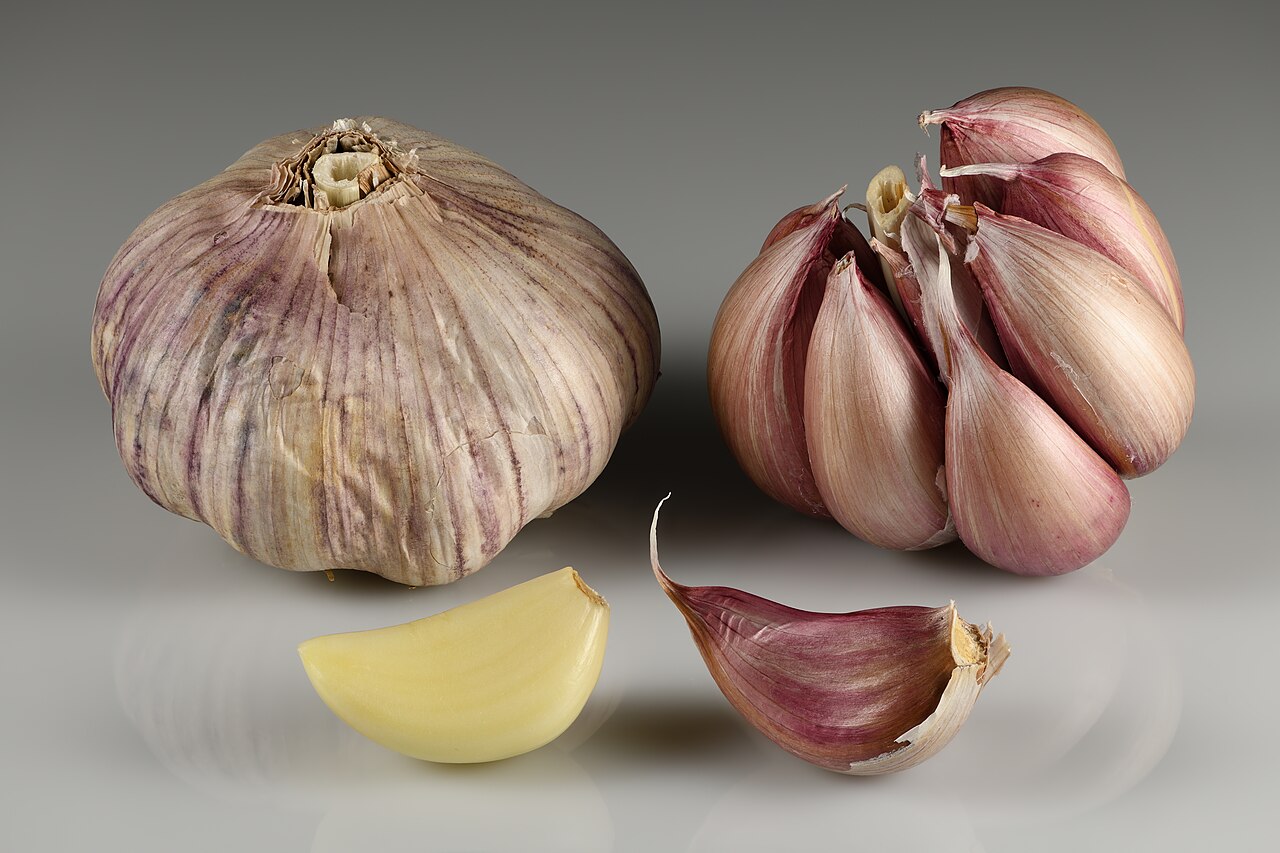
Garlic flavours soups, stews and pepper sauces in kitchens across Nigeria, yet almost none of it is grown at home. Nigeria produced about 2,200 tonnes of fresh garlic in 2023, ranking a distant 72nd in the world and contributing roughly 0.01 per cent of global output, according to data compiled by Tridge. The scale of the gap becomes clear against a continental peer, with Egypt producing about 396 million kilogrammes to Nigeria's 2.25 million kilogrammes, according to BusinessDay.
An Expensive Import Habit
Because it grows so little, Nigeria leans on imports, and those imports are getting dearer. The average garlic import price reached about $3,559 per tonne in 2024, a 99 per cent jump on the previous year, according to a market analysis by IndexBox. China, which accounts for more than 70 per cent of world garlic, supplies the largest share of Nigeria's imports at about 58 per cent, followed by South Africa at 22 per cent and the United Kingdom at 14 per cent, the same analysis found. Every tonne bought abroad is foreign exchange spent on a crop that Nigerian farmers could grow.
A Market Left on the Table
The missed opportunity is large. The global garlic market was projected to reach about $3.6 billion by 2025, yet Nigeria's own garlic exports were worth only around $9.74 million in 2022, according to World Bank figures cited by Kalabah. Nigerian spice growers could tap into a global spices market valued at roughly $13.7 billion, the same source noted, if quality and volumes can be raised.
What It Would Take
Bridging the gap is more about groundwork than ambition. Nigeria could lift garlic output by giving farmers incentives such as subsidies, training and equipment, and by investing in irrigation, storage and roads to move the crop to market, according to a researcher quoted by BusinessDay. Growers are also urged not to stop at raw bulbs but to dry and grind garlic into powder, flakes and paste, which fetch more and store longer, according to Kalabah. Better storage matters too, since garlic that arrives clean, dry and mould-free commands the best prices.
A pantry staple that Nigeria imports at rising prices is a direct line to what shoppers pay for seasoning. FoodPrices Nigeria tracks verified retail prices for spices and staples across Lagos markets and follows the crops whose local production could ease the country's reliance on imports.
#Garlic, #Spices, #Imports, #FoodPrices, #Nigeria, #Lagos, #ValueAddition, #Agriculture, #NonOilExports, #Farmers