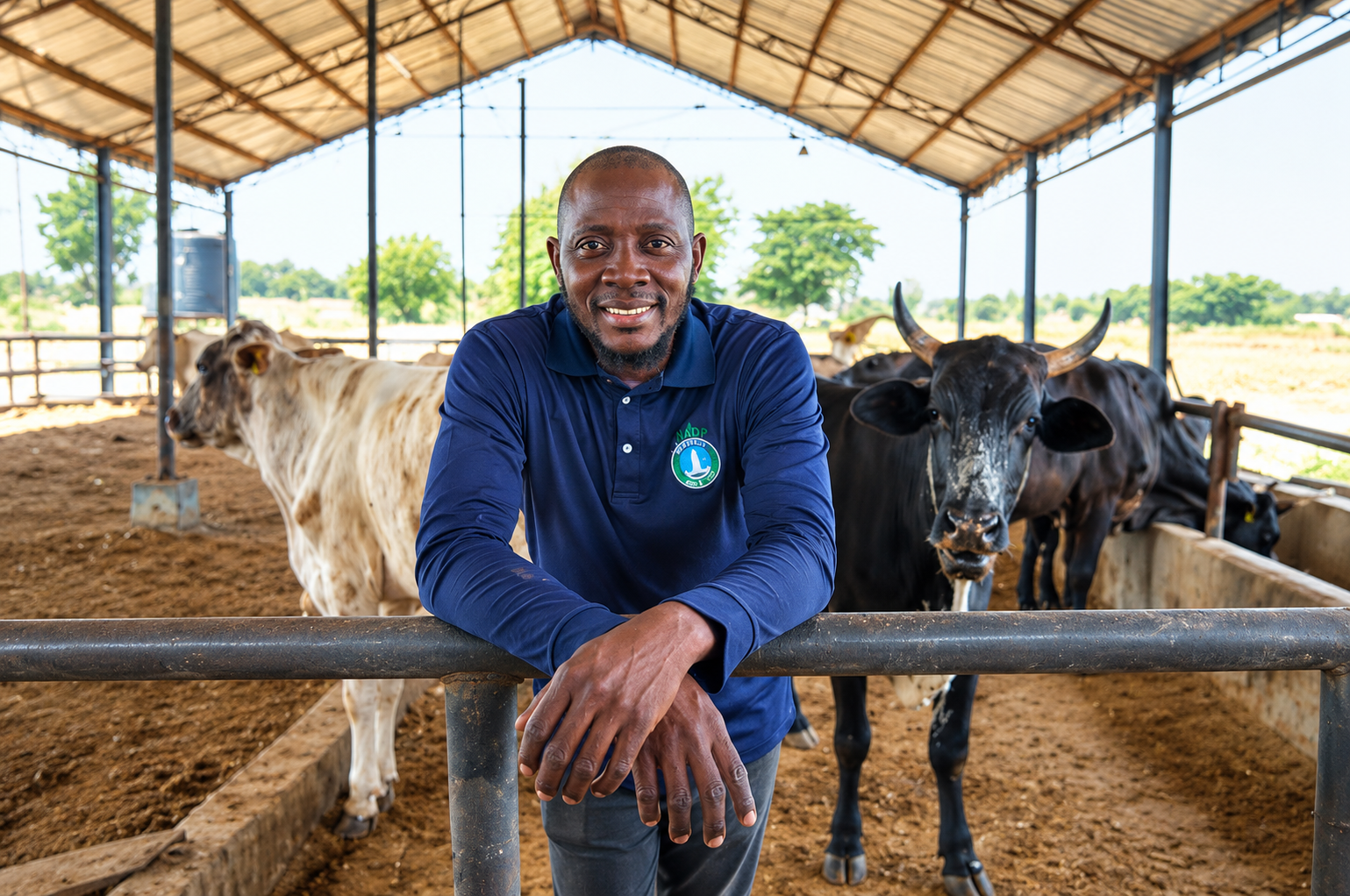
Nigeria is moving to protect the native cattle, goats and other animals that underpin its meat and dairy supply, adopting a unified set of national protocols to identify, count and monitor its livestock breeds. The framework was validated at a national workshop organised by the Livestock Productivity and Resilience Support Project under the Federal Ministry of Livestock Development, according to Premium Times.
Counting Before Conserving
The logic is that a country cannot save what it has not measured. The Minister of Livestock Development, Idi Mukhtar Maiha, said that without accurate baseline data it is impossible to design appropriate breeding objectives or determine which breeds are best suited for specific agro-ecological zones, according to Premium Times. The workshop validated harmonised protocols for animal genetic characterisation, inventory and monitoring frameworks, national data collection templates, conservation plans for endangered breeds and investment plans, according to the Federal Ministry of Information and National Orientation.
Toward a National Gene Bank
The National Project Coordinator of L-PRES, Dr Sanusi Abubakar, described the exercise as a major step toward operationalising Nigeria's National Strategy and Action Plan on Animal Genetic Resources, launched in June 2025, and said the validated protocols align with the Food and Agriculture Organisation's Global Plan of Action and form part of efforts to establish a national gene bank, according to AgroNigeria. He explained that characterisation identifies and describes breeds, inventory details population sizes and distribution, and monitoring tracks changes and risks over time, the foundation for informed decisions in livestock development, according to the same account.
A Bigger Programme Behind It
The protocols sit inside a large, donor-backed effort. The Livestock Productivity and Resilience Support Project is a World Bank-supported programme worth about $500 million over six years, and it has reached more than 1.4 million Nigerians across 20 states, with over 101,000 farmers adopting improved livestock technologies under the government's livestock transformation agenda, according to Vanguard. Maiha stressed that veterinary and genetic services remain the first line of defence in protecting animal health, ensuring food safety and maintaining market stability, according to the Federal Ministry of Information and National Orientation.
Why Native Breeds Matter
Indigenous animals such as the Muturu cattle and West African Dwarf goat carry traits like disease resistance and heat tolerance that imported breeds often lack, making their conservation a practical matter of resilience rather than nostalgia. Stronger local breeding could, in time, ease Nigeria's reliance on imported meat and dairy. FoodPrices Nigeria tracks verified retail prices across Lagos markets, where the health of the national herd eventually shapes the cost of protein on the plate.