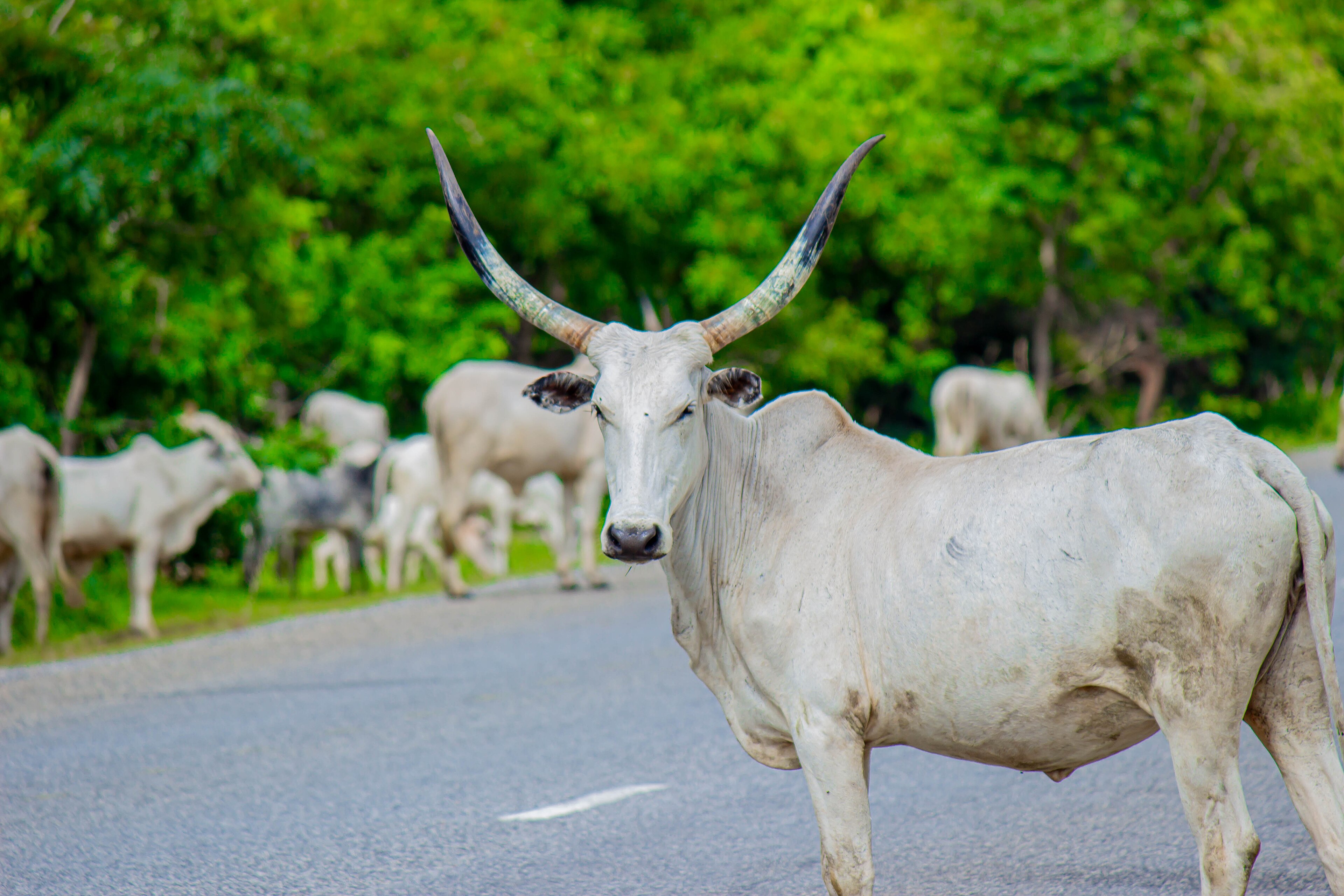
Nigeria is moving to overhaul how it raises cattle, betting that modern ranches can replace centuries of open grazing, raise productivity and defuse the farmer-herder conflicts that have long disrupted farming communities. The reform aims to swap roaming herds for managed ranches with water, veterinary care and feed, and the government has been courting the French Development Agency to help fund it, according to Ecofin Agency, which noted the livestock sector contributes about 35 per cent of Nigeria's agricultural output.
A Pilot in Kwara
The federal government has selected Kwara State as the pilot for its national ranching policy, following a directive from President Bola Tinubu for governors and stakeholders to embrace ranching as a route out of the recurring crisis, according to PRNigeria. The push is being driven by the Federal Ministry of Livestock Development, created in 2024 to treat livestock as an economic sector in its own right, which unveiled a fifteen-year transformation plan and in June 2026 moved to centralise livestock data so it can track who owns what and where herds move, as African Arguments reported.
Reviving the Reserves
Central to the plan is the revival of Nigeria's network of legally protected grazing reserves, numbering more than 400, which the ministry is working with states to redevelop into ranch-based settlements offering water, veterinary services and feed, according to AgroNigeria. The Minister of Livestock Development, Idi Mukhtar Maiha, has set an ambitious target of growing the sector from about $32 billion to $72 billion over a decade, as Vanguard reported.
Calmer farmlands and steadier meat and milk supply would ease two pressures at once on food costs. FoodPrices Nigeria tracks verified retail prices across Lagos markets and will watch whether the shift to ranching translates into steadier protein prices for households.