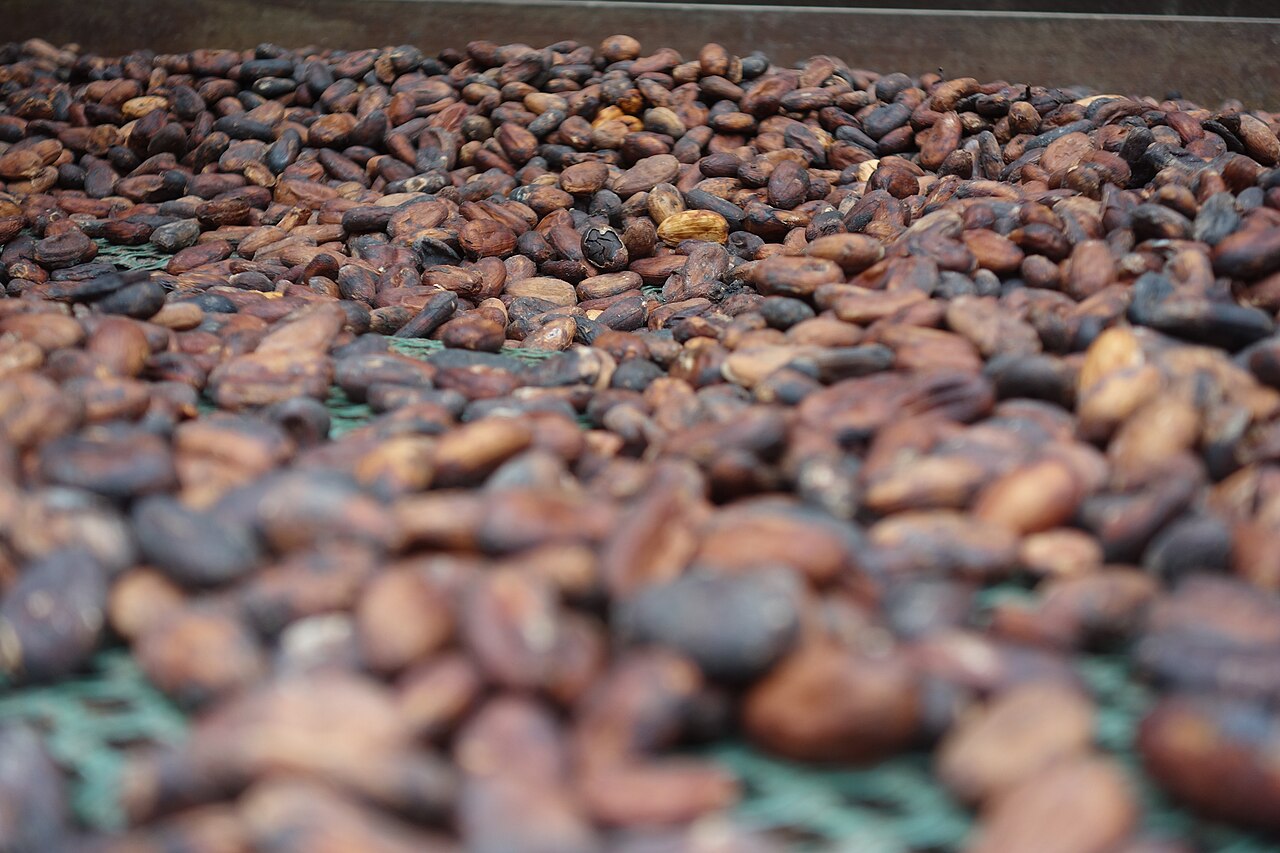
A historic surge in global cocoa prices lifted Nigeria's export earnings from the crop to multi-year highs, and the country is now pressing to capture more of that value by processing beans at home rather than shipping them raw. Cocoa export value rose from ₦356.16 billion in 2023 to about ₦2.7 trillion in 2024, equivalent to roughly $1.7 billion, with the National Bureau of Statistics recording a 606 per cent jump in the fourth quarter of 2024 alone, according to The Nation.
Earnings Up, Output Flat
The revenue gains came largely from price rather than volume, as global cocoa prices climbed from about $4,200 per tonne in early 2023 to nearly $12,000 by late 2024, the The Nation report noted, citing the International Cocoa Organisation. Production has not kept pace. Industry projections put Nigeria's 2025/26 output at around 305,000 tonnes, down about 11 per cent from the prior season, according to Trade World News, with high input costs cited as a constraint.
The Case for Processing
Officials argue the bigger prize lies in value addition. Vice President Kashim Shettima has framed the strategy bluntly, saying the country wants to be a processor of cocoa and not just a producer, noting that a tonne of raw beans fetching around $9,000 can command far more once turned into butter, powder or chocolate, according to Nairametrics. The argument has grown sharper in 2026, with global cocoa prices falling steeply from their peak, which trims the returns from exporting raw beans and strengthens the logic of domestic processing.
Cocoa is a cash crop rather than a kitchen staple, but the lesson cuts across Nigeria's food economy. Processing produce at home captures value and softens exposure to global swings, the same dynamic that shapes the staples.
FoodPrices Nigeria tracks across Lagos markets.