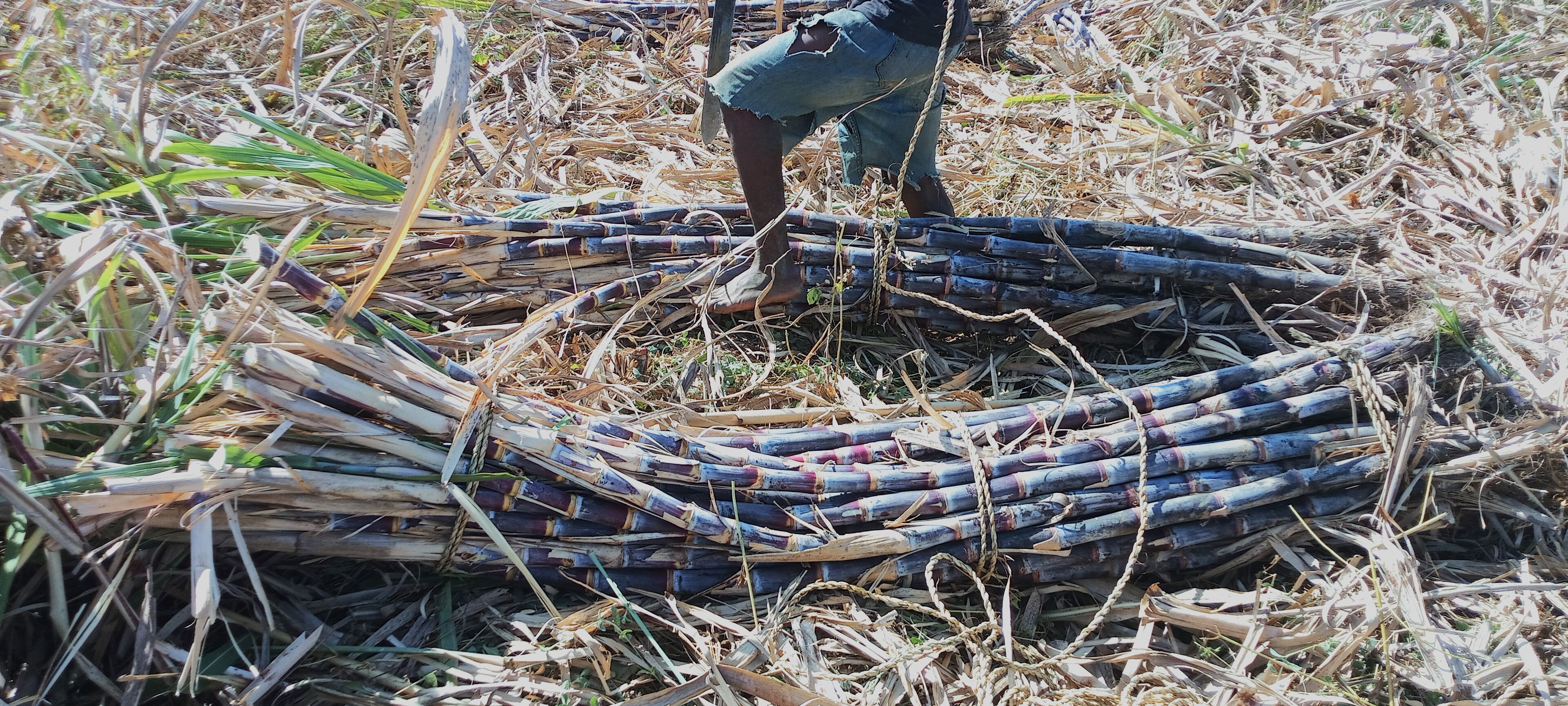
Nigeria loves sugar but barely makes any. The country produces less than five per cent of the sugar it consumes, ranking behind South Africa as sub-Saharan Africa's second-largest sugar market, according to BusinessDay. A backward integration policy, anchored by the National Sugar Master Plan, is meant to close that gap by building a full sugarcane-to-sugar value chain at home.
How the Policy Works
To protect local production, refined sugar imports are prohibited, and only three companies, Dangote Sugar Refinery, BUA Sugar and Golden Sugar Company, are permitted to import raw sugar through a quota tied to their progress on backward integration, according to a United States Department of Agriculture report on the sector. The second phase of the master plan, running to 2033, allocates import quotas based on how much each firm produces locally rather than on refining capacity.
The Money Going In
The investments are substantial. Dangote Sugar has committed more than $700 million to its backward integration programme, targeting 700,000 tonnes of local output within about five years on the way to a long-term goal of 1.5 million tonnes a year, with the projects expected to create tens of thousands of jobs, according to AgriInsite. BUA has invested over $300 million in the Lafiagi Sugar Company in Kwara State, an integrated estate combining a 20,000-hectare plantation, a mill, a refinery, an ethanol plant and a power plant, as Food Business Africa reported. The area under cane is projected to grow by nearly five per cent to close to 100,000 hectares, according to market analysis by Expert Market Research.
Sugar sits inside countless processed foods and drinks, so a heavy import bill feeds into wider food costs and pressure on the naira. FoodPrices Nigeria tracks verified retail prices across Lagos markets and follows the local production drives that could ease Nigeria's dependence on imported staples.