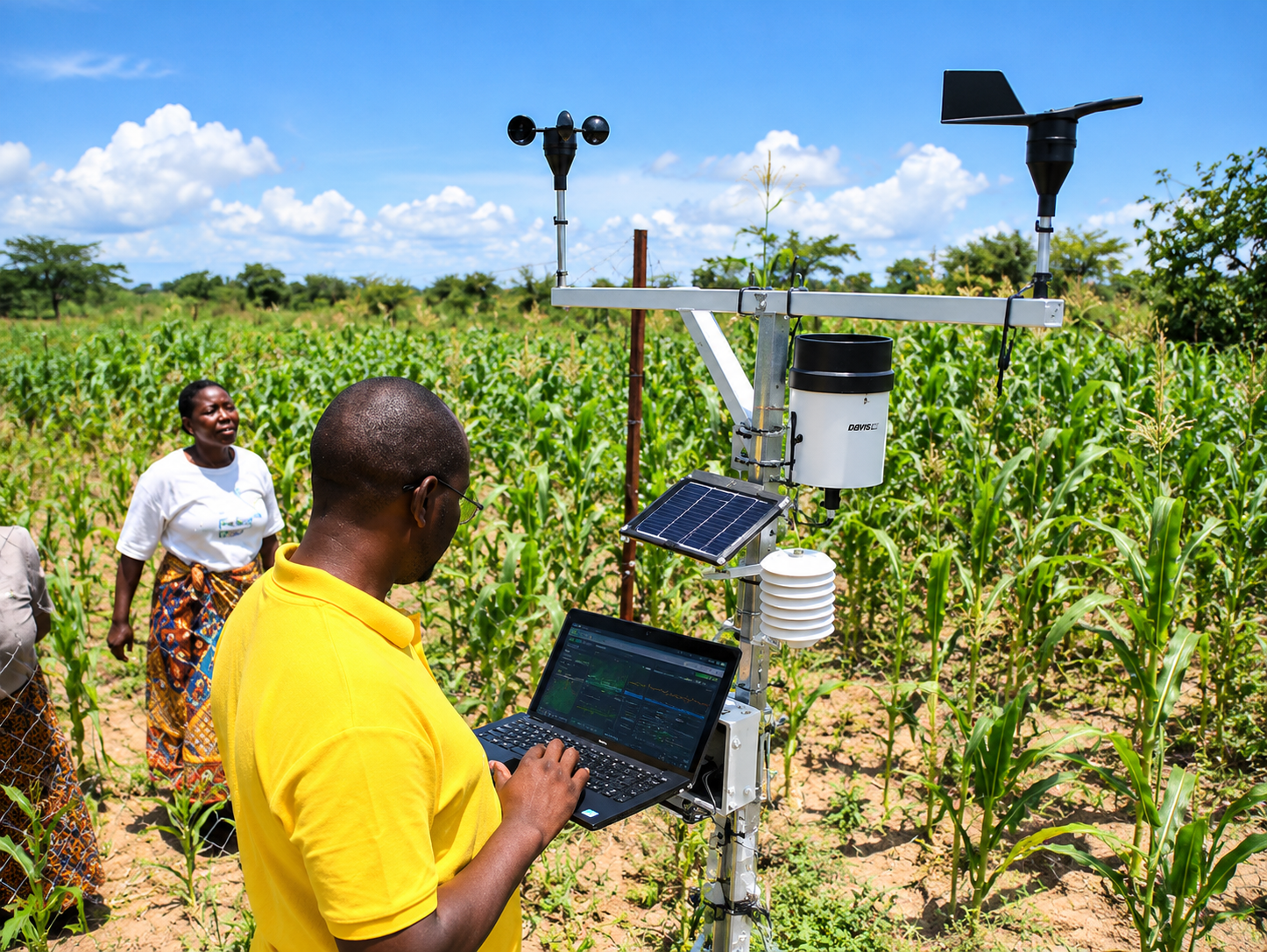
Nigeria is trying to arm its farmers with better weather intelligence, launching a project that treats climate forecasts not as a free government bulletin but as a commercial service built into farming decisions. The Federal Government, in partnership with the International Fund for Agricultural Development, the Special Agro-Industrial Processing Zones programme and the Nigerian Meteorological Agency, launched the Climate-Smart Agribusiness Partnership for Resilience in Abuja on July 24, 2026, according to The Guardian.
A Service, Not Just a Forecast
The project is financed by the Gates Foundation and executed by IFAD, and it is designed to run from 2026 to 2028, embedding Climate Information Services into commercially viable agribusiness products delivered through public-private partnerships, according to AgroNigeria. The aim is to strengthen the resilience, productivity and profitability of Nigeria's agricultural value chains by making reliable weather advice something farmers, insurers and lenders can actually build a business around, rather than an afterthought.
Early Foundations on the Ground
The groundwork is already visible. Early progress under the project includes the installation of automated weather stations in Ogun and Kano states, the rollout of climate information services and the distribution of digital devices to farmer organisation leaders so weather advisories reach growers on time, according to reporting on the launch by MSME Africa. The Permanent Secretary of the Federal Ministry of Agriculture and Food Security, Dr Marcus Olaniyi Ogunbiyi, called for renewed commitment among government, development partners, the private sector, financial institutions and farmers to confront the growing threat of climate change, according to the same account.
Why the Model Matters
For IFAD, the design is deliberate. The Country Director, Dede Ekoue, said the initiative would place climate resilience at the heart of Nigeria's agricultural transformation and described a financially viable climate-information partnership as both a resilience solution and a way to mobilise funds for a more competitive sector, according to Vanguard. She noted that NiMet's data and institutional leadership are essential to ensuring the advice is accurate, timely and locally relevant, according to The Guardian.
A Response to Harsher Seasons
The urgency is grounded in what farmers now face each year. Prolonged droughts, flooding, erratic rainfall and rising temperatures have battered crop yields and farmer incomes, and the project seeks to counter that with early-warning systems and advisory services that guide production decisions through the season, according to AgroNigeria. The programme places particular emphasis on smallholders, women and young farmers.
Better forecasts mean fewer failed plantings and steadier harvests, which in time should mean steadier prices. FoodPrices Nigeria tracks verified retail prices across Lagos markets, where the payoff from smarter, weather-aware farming would eventually reach the shopper.