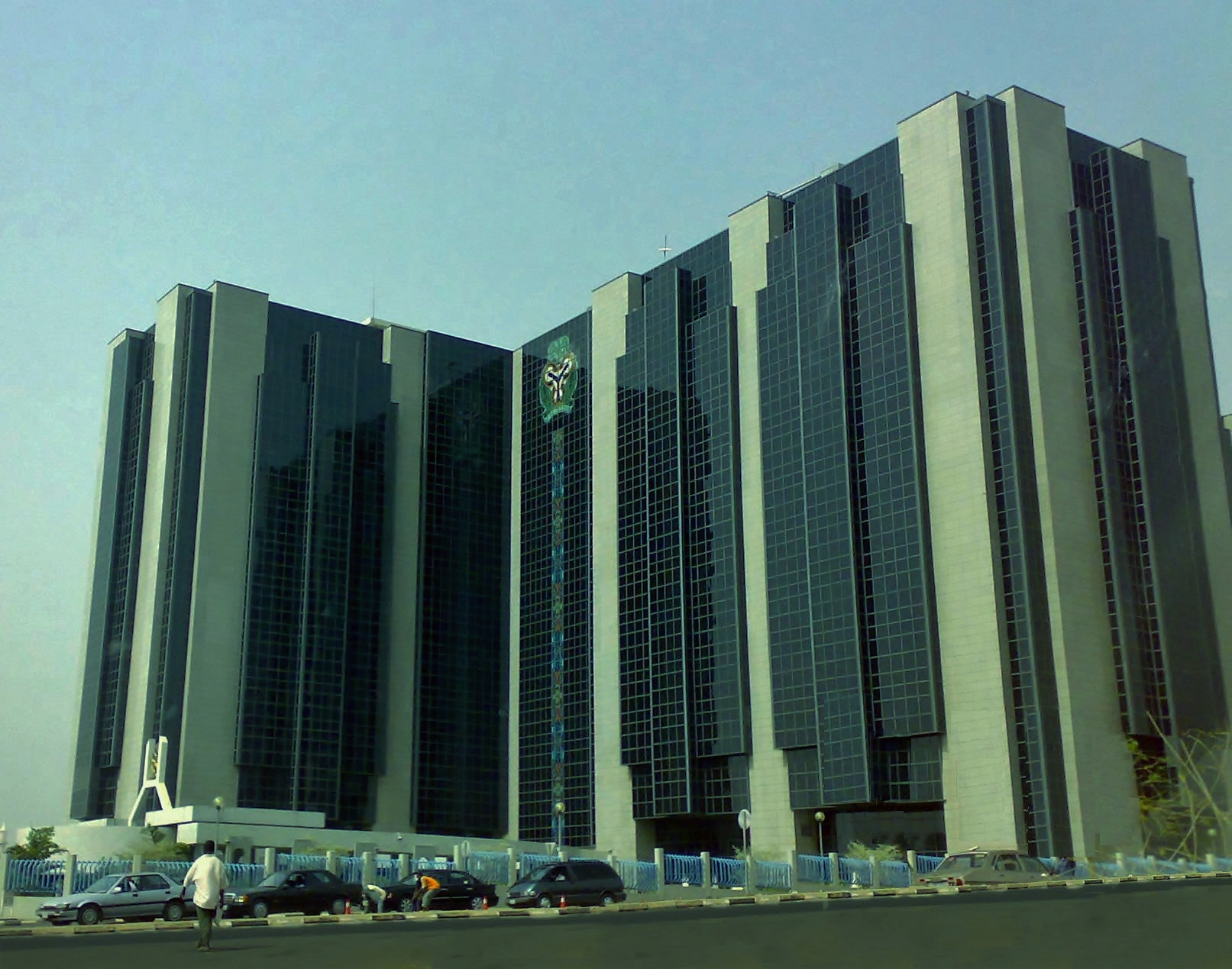
President Bola Ahmed Tinubu has approved a ₦1.5 trillion recapitalisation of the Bank of Agriculture, a move the Ministry of Agriculture and Food Security has described as the most significant boost to agricultural finance in the country's history, according to Punch. The injection, equivalent to roughly $1 billion, is intended to reposition the bank as a development finance institution with deliberate targeting of youth and women-led agribusinesses through accessible credit.
Building a Bigger Lender
The bank has already used intervention funds to support more than two million smallholder farmers, each cultivating between half a hectare and one hectare and together producing close to 90 per cent of Nigeria's food, its Managing Director, Ayo Sotirin, told BusinessDay. He said the long-term goal is to scale the bank's capital base to ₦3 trillion, enabling affordable, long-tenor financing and blended finance for farmers, processors and exporters, while driving legacy bad loans below five per cent.
Why Credit Is the Bottleneck
The reform targets a persistent weakness in Nigerian farming. Alongside the recapitalisation, the government created a ₦250 billion credit window to support smallholder farmers and activated the National Agricultural Development Fund to expand investment in value chains and rural infrastructure, as reported in coverage of the 47th National Council on Agriculture and Food Security. The push matters because agriculture has long drawn a thin share of formal bank credit, pushing many farmers toward informal lenders at steep rates, a gap the Ministry says the reform is meant to close.
Cheaper credit lets farmers buy better seed, fertiliser and equipment, which eventually feeds into supply and price. FoodPrices Nigeria tracks verified retail prices across Lagos markets, where the results of stronger farm finance will show up over time.