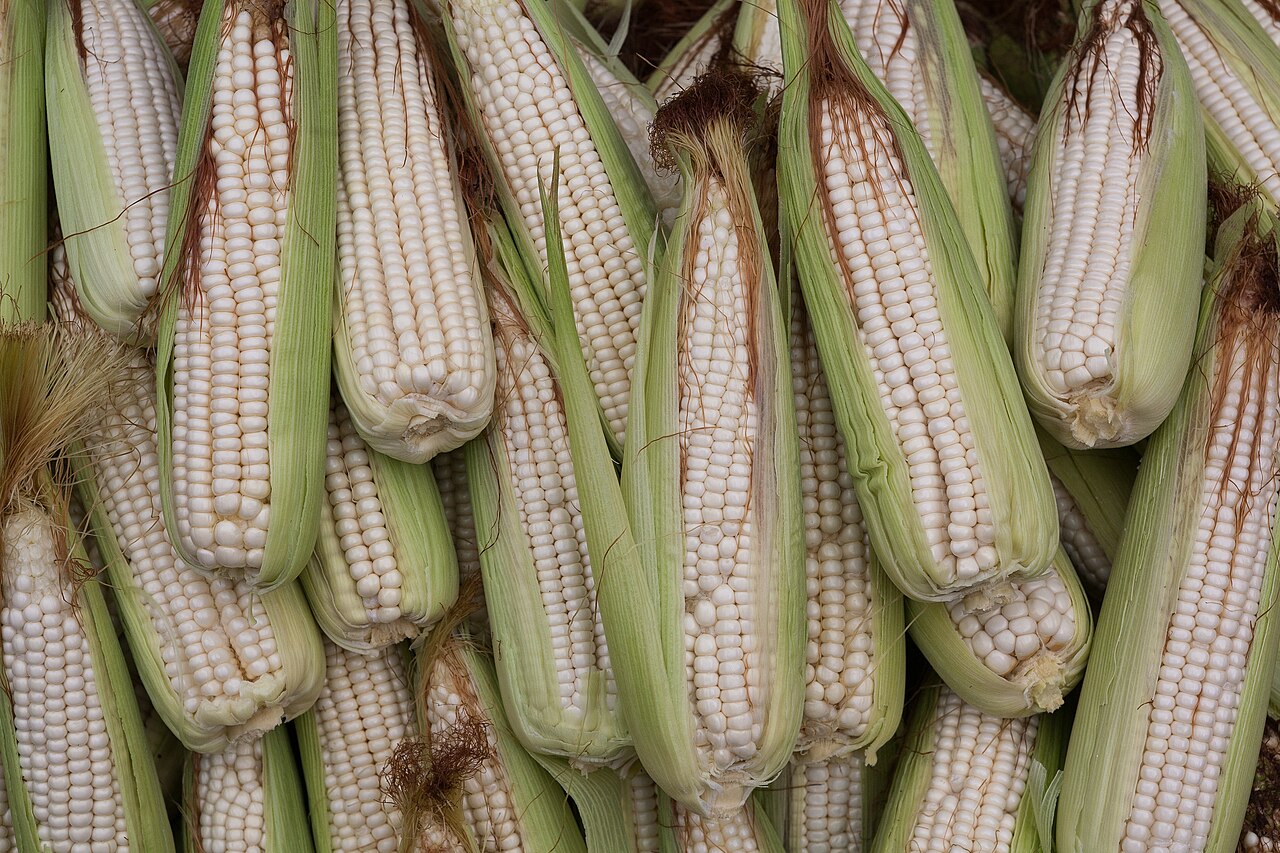
Nigeria has moved to keep more of its grain at home, placing maize on the list of items prohibited from export in 2026 in a bid to protect local supply and strengthen food security, according to Legit.ng.
Keeping a Key Grain at Home
The Federal Government's 2026 export prohibition list includes maize alongside timber, raw hides and skins, scrap metals, rubber and other items, with the government saying the restrictions are meant to protect local industries and preserve domestic supply, Legit.ng reported. Officials framed the maize measure as a step to ensure food security and stabilise local availability for domestic consumption, keeping the grain from being drawn abroad when demand at home is high.
Why Maize Carries Weight
Maize sits at the centre of Nigeria's food system, feeding households directly and serving as the main ingredient in poultry and livestock feed. Keeping it inside the country is intended to steady supply for both uses, and the same policy framework also bars the import of live and frozen poultry, part of a broader effort to shield local producers, as Legit.ng noted. Trade measures like these can ease domestic supply in the short term, though their effect on prices depends on how much grain the country actually produces.
What happens to maize supply ripples through the price of eggs, chicken and countless staples. FoodPrices Nigeria tracks verified retail prices across Lagos markets, where the balance between what Nigeria grows, keeps and trades is felt at the till.
#Maize #ExportBan #TradePolicy #FoodSecurity #Grains #Lagos #FoodPrices #Nigeria #Agriculture #AnimalFeed