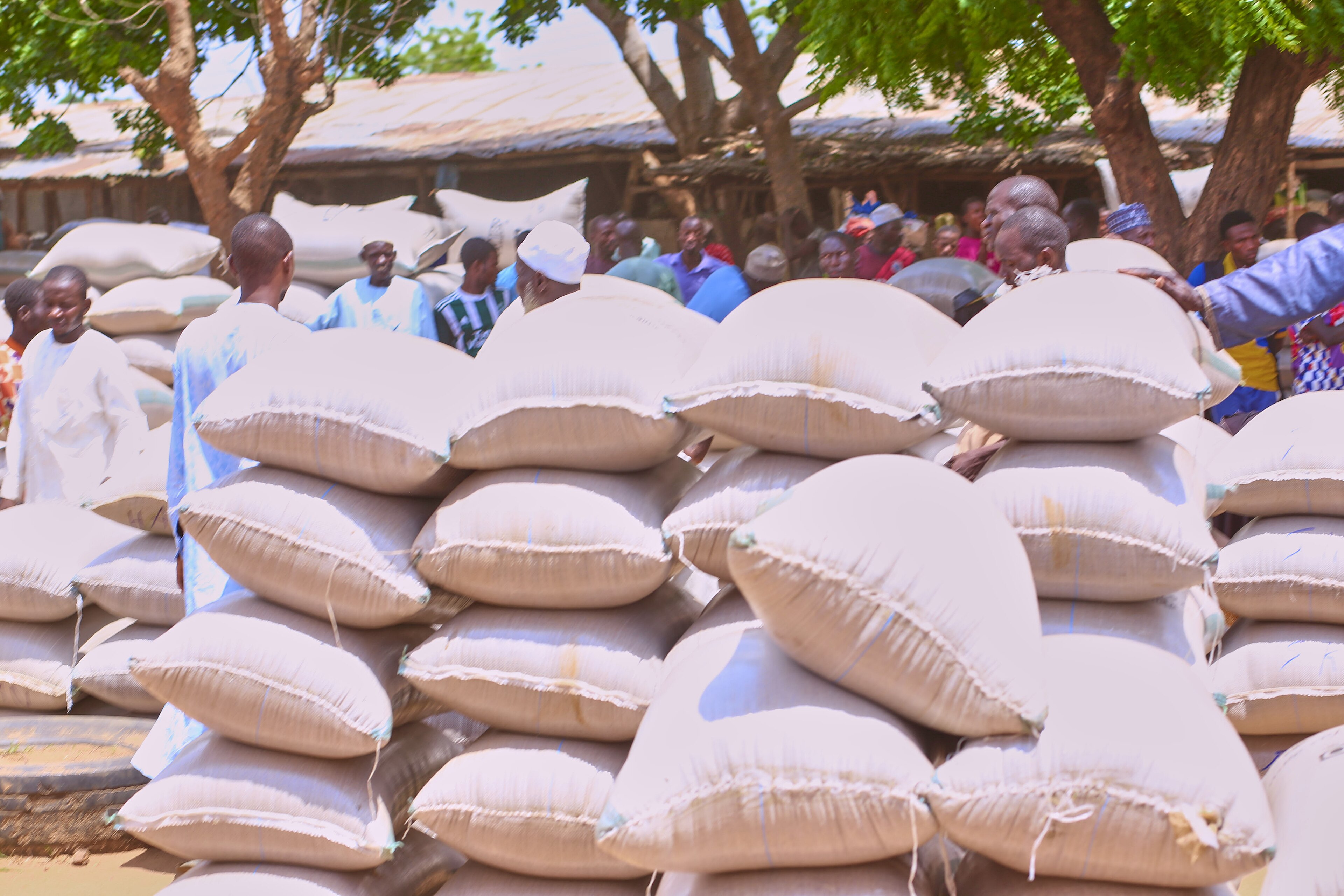
here is a quiet irony in Nigeria's export trade. The cocoa, cashew, coffee and grain the country sends abroad are usually packed in jute sacks, the breathable bags preferred for storing and shipping farm produce, and most of those sacks are imported. They are made from the fibre of kenaf, a crop suited to more than a million hectares and grown in over 20 states, yet the country has failed to build the industry to supply itself, according to BusinessDay.
The Bag Behind the Trade
Jute sacks are not a minor detail of the trade. Jute is the globally accepted packaging for agricultural commodities such as cocoa, cotton, groundnuts, onions, kola nut, palm kernel, potatoes, grains and coffee, and traders and farmers buy well over 10 million of the bags each year, according to the Kenaf Development Association of Nigeria as reported by BusinessDay. International trade rules have long pushed exporters toward jute rather than synthetic bags, which leaves Nigeria exposed when it cannot make its own, according to NARICT.
A Crop Without a Market
The cost of that gap is measured in foreign exchange. Nigeria spends around ₦2.75 billion a year importing jute bags, money that could stay at home if farmers grew kenaf and local factories processed it, according to The Guardian. The demand gap has even forced some exporters to buy fairly used jute sacks from Ghana to package their produce, despite Nigeria's capacity to farm the crop across more than 20 states, according to The Guardian. Growers, meanwhile, say there is little point planting kenaf when there are no processing factories to buy it, a chicken-and-egg trap that has kept commercial production stuck.
The Institutions Trying to Fix It
Public research bodies have tried to break the cycle. The National Research Institute for Chemical Technology has developed jute-bag technology and pushed for a model plant to catalyse private investment across the value chain, according to NARICT, while the Institute of Agricultural Research and Training runs a kenaf and jute improvement programme aimed at higher-yielding varieties and biodegradable produce bags for both local use and regional export, according to IART.
A cheaper, home-grown supply of produce sacks would cut post-harvest losses and trim the cost of getting food from farm to market. FoodPrices Nigeria tracks verified retail prices across Lagos markets and follows the supply-chain gaps that quietly raise what households pay.