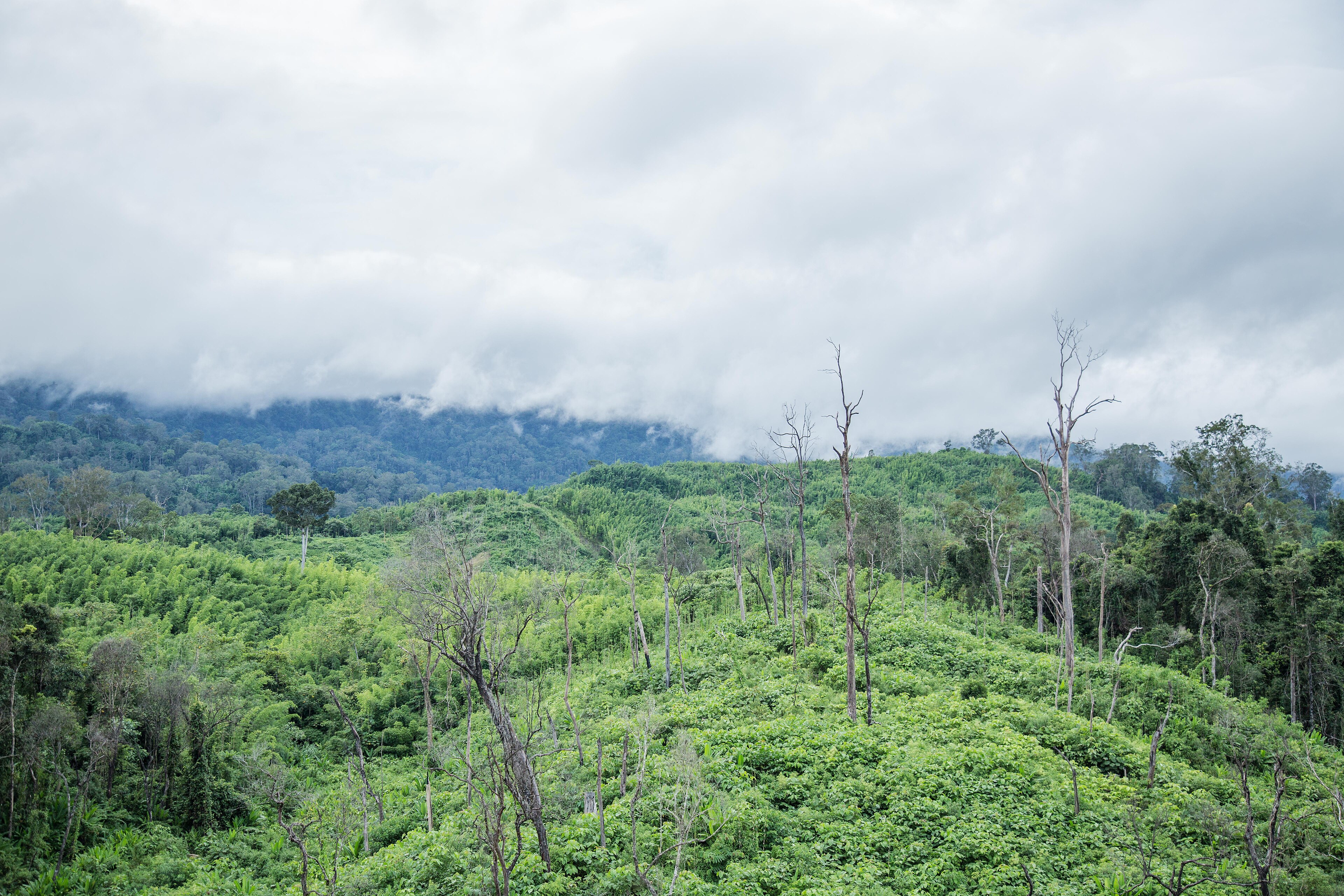
The National Agricultural Land Development Authority is moving to reclaim degraded land and put it back into food production, unveiling plans to rehabilitate abandoned forest and grazing reserves and convert them into farm estates. The Authority's Executive Secretary, Engr. Cornelius Adebayo, said the land would be developed for the benefit of local communities rather than acquired for commercial ownership, according to The Nation.
Reserves Back to Farmland
In Kwara State, discussions are underway to allocate depleted forest reserves to members of the Cashew Processors Association of Nigeria as part of a backward integration drive, allowing processors to establish plantations that supply their factories directly while restoring degraded land, as Tribune Online reported. Talks are also ongoing with the governments of Enugu and Bayelsa to ensure the South-East and South-South are represented in the Mega Farm Estate initiative, according to The Sun. Adebayo stressed that the land remains public property serving public interest and is never converted into federal assets.
Farming Behind a Security Ring
A central selling point of the estate model is protection. Bringing farmers together within organised estates makes surveillance and defence easier, and NALDA has secured a partnership with the Nigeria Police Trust Fund, which is constructing police stations inside the farm estates, Tribune Online noted. The Authority is also working with the Nigeria Police Force, the Department of State Services, the Nigeria Security and Civil Defence Corps Agro Rangers and community vigilantes, with more than 20 vigilantes already deployed in Kwara and plans to expand as the estates grow.
Reclaimed, secured farmland is a direct answer to the insecurity that has kept fields fallow and thinned food supply. FoodPrices Nigeria tracks verified retail prices across Lagos markets, where a larger and safer production base would eventually show up in steadier supply.