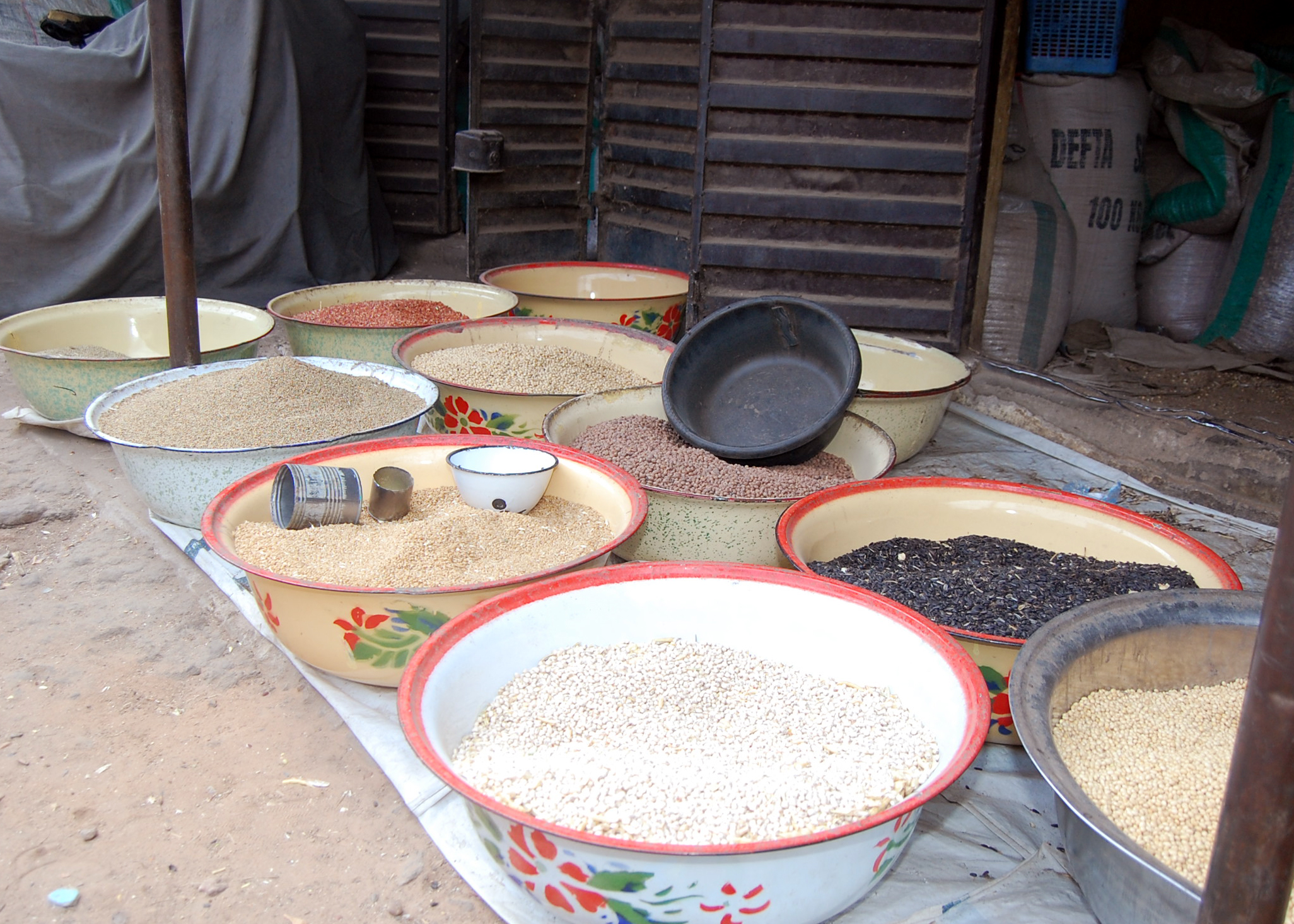
Rice came down across the board at Mushin Market through the first quarter of 2026, with local brands falling fastest. A 50-kilogram bag of Nigerian manufactured rice was captured at N75,000 in the week of January 26 and at N54,000 by the week of March 16, a drop of N21,000 or 28.0 percent. The 25-kilogram bag of the same rice eased from N35,000 to N27,000 over the same period, a fall of 22.9 percent. For a household buying local rice by the bag, that is a meaningful saving inside two months.
Imported grades softened too, though less sharply. A 50-kilogram bag of long grain imported rice slipped from N80,000 in the week of January 26 to N71,000 in the week of February 16, down 11.3 percent, while short grain at the same size moved from N75,000 to N68,000, a fall of 9.3 percent. Tomato Aroso rice, captured at N71,000 a bag in the week of February 16, was down to N60,000 by the week of March 16, a decline of 15.5 percent. The common thread is a market where rice supply was loosening and prices followed.
Beans pushed the other way and provide the contrast. A 50-kilogram bag of Oloyin beans was captured at N55,000 in the week of February 16 and at N65,000 by the week of March 16, a rise of N10,000 or 18.2 percent. A paint bucket of Drum beans moved less cleanly, from N5,500 in late January down to N3,000 in mid February and back up to N4,000 by mid March, the kind of zigzag that shows how thin some weekly captures can be. Where rice was falling steadily, beans were firming.
The rice decline lines up with a clear policy shift. Nigeria cut its import duty on bulk rice to 47.5 percent from 70 percent, with broken rice reduced to 30 percent under its 2026 fiscal measures, a change that traders and analysts expect to pull in cheaper imported rice, as reported by BusinessDay. The same reporting points to a paddy price slump and strain in the local milling industry, which helps explain why locally manufactured rice fell faster than imported grades at Mushin. Sellers in Lagos have described the market filling with cheaper foreign rice through the period, pushing 50-kilogram prices down from their Easter levels.
The broader inflation backdrop remained mixed. The National Bureau of Statistics reported food inflation of 16.06 percent year on year in April, even as month-on-month food price growth eased, a sign that staples like rice were doing some of the work to slow the pace of increases. Buyers can follow Mushin rice and beans at Mushin Market real-time prices, review the longer record on the historical prices page and track grains overall through the grain price index.