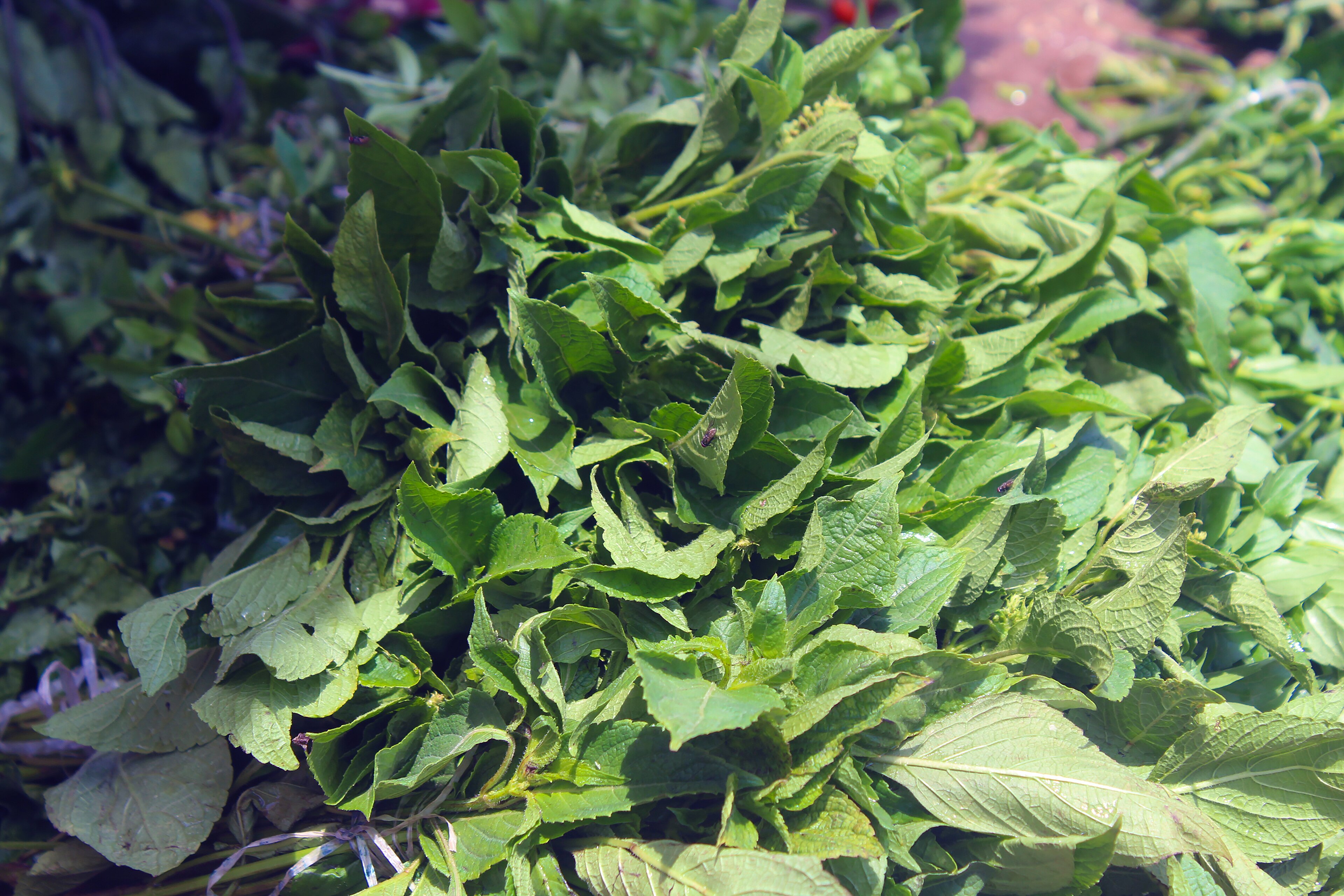
Leafy vegetables do not appear in the Ministry of Agriculture and Food Systems market survey for the week of 14 August 2026, which tracks 21 lines across rice, beans, garri, yam and eggs. FoodPrices holds no mean, no market range and no weekly movement for ugu, waterleaf, spinach, shoko, tete or ewedu. Every figure below belongs to the outlet named beside it.
Flooding Hit Lagos Farms Directly
Unlike rice or beans, which reach Lagos from elsewhere, leafy vegetables are grown inside the state, so local weather moves them without any transport lag. Peoples Gazette reported in July 2026 that the chairperson of the Ojo Farmers Community, Mayriam Ali, said heavy rainfall had submerged farmland, destroyed crops and prevented farmers from harvesting or replanting, and identified ugu, spinach, spring onions, oregano and waterleaf as the crops likely to see the sharpest increases. She said a bunch of waterleaf then selling for about ₦500 could reach ₦1,000 to ₦1,300, and that crops with longer maturity periods suffered most because they were washed away before harvest, while quick-growing vegetables such as shoko, tete and ewedu might stay affordable because they can be replanted fast.
Consumers Reported the Effect Within Weeks
Peoples Gazette reported later in July 2026 that an Agege resident had paid ₦3,000 for a bunch of waterleaf she previously bought for ₦1,000, and that the trader attributed the increase to losing more than half her farm to the rains. A Surulere resident quoted in the same report said pumpkin leaves could not be found below ₦500 in any Lagos market and that some traders had no produce at all because of flood losses. Freedom Online reported a Tejuosho Market trader saying her own problem was falling customer traffic rather than crop loss, and that prompt harvesting before farms flood is what keeps vegetable costs down.
The Season Runs Against the Staples
The staples picture in the FoodPrices survey for this week was one of easing prices, with yam down 4.4% and beans down at every measure. The reporting above describes locally grown vegetables under pressure across the same rainy season. Two categories can move in opposite directions in the same city in the same month, and a household buying both feels the net effect rather than either one.
What Would Change This
Leafy vegetables are the clearest case for catalogue expansion. They are grown in Lagos, they respond to Lagos weather within days, and no other item in the basket tracks the local growing conditions that FoodPrices is best placed to measure.
Live prices: foodprices.ng/real-time-prices