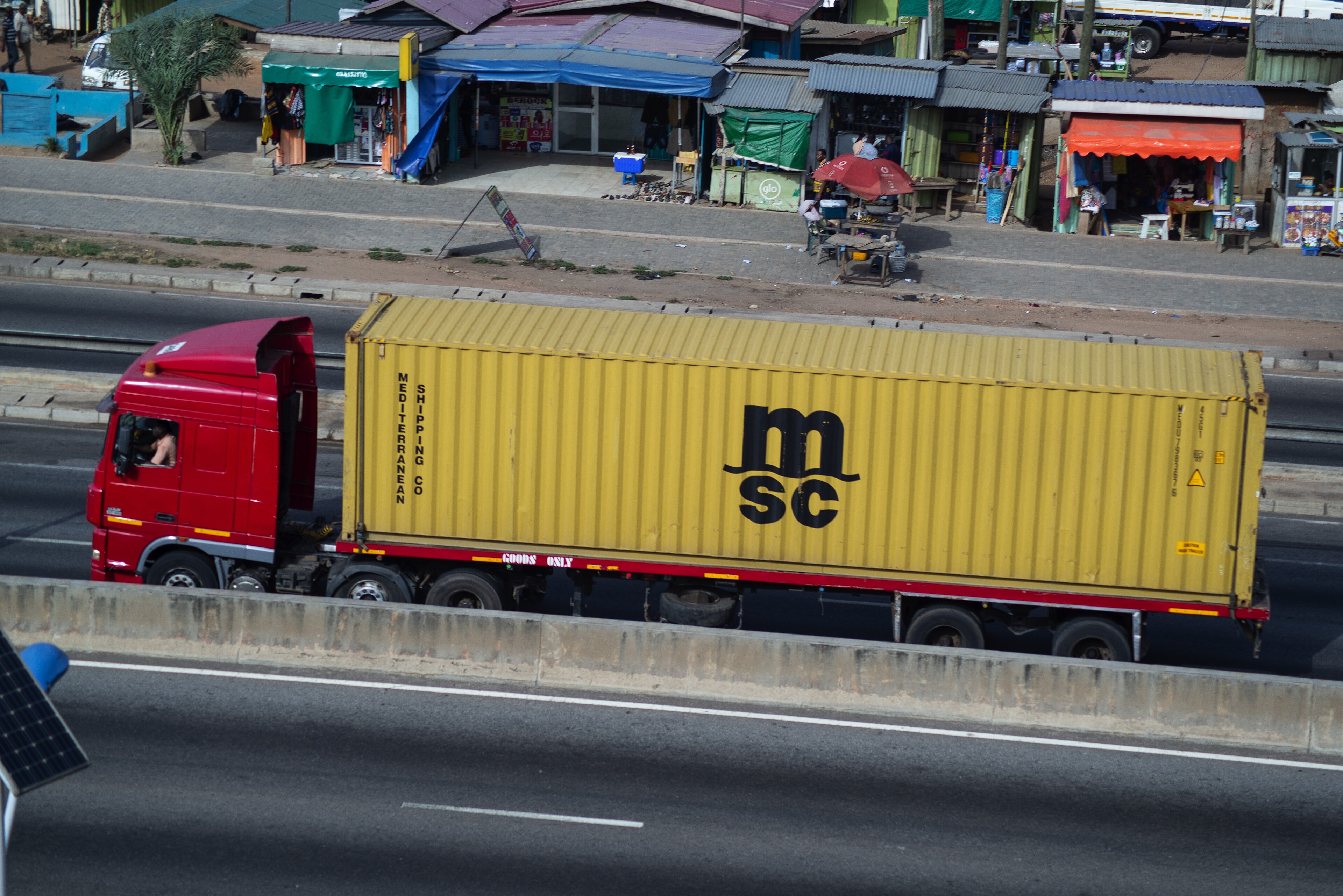
The Lagos State Government plans to commission the first phase of the Lagos Central Food Security Systems and Logistics Hub before the end of 2026, a step it describes as central to tackling food insecurity and modernising the state's food supply chain, according to Milling Middle East & Africa. The Commissioner for Agriculture and Food Systems, Abisola Olusanya, made the disclosure at the 2026 Ministerial Press Briefing in Alausa.
Scale of the Facility
Located in Ketu-Ereyun, Epe, the hub is being built as a technology-driven facility to transform food transport, storage, processing and distribution, with capacity to accommodate more than 1,500 trucks daily and handle over 1.5 million metric tonnes of food a year, the Milling MEA report showed. Olusanya said Lagos remains Nigeria's largest food market, with an annual food economy estimated at ₦16.14 trillion.
A Fund to De-Risk Farming
Complementing the hub, the state activated a ₦500 billion Offtake Guarantee Fund under its Produce for Lagos initiative to strengthen production, aggregation, logistics, financing and distribution, the same report noted. The fund is designed to de-risk agricultural investment and guarantee market access for farmers, aggregators, processors and logistics operators.
Part of a Wider Build-Out
The hub sits alongside other large projects, including the Imota Rice Mill, regarded as the largest in Africa, which produced more than 500,000 bags of Eko Rice during the review period, according to Milling MEA. The Lagos Fresh Food Hub in Idi-Oro, Mushin recorded over ₦1.2 billion in transactions across 76 market days since May 2025, with more than 850 vendors registered and over 7,000 jobs created.
FoodPrices Nigeria tracks verified retail prices across Lagos markets every week. Infrastructure that shortens the distance between farm and stall in the state could ease some of the logistics costs that show up directly in what residents pay.