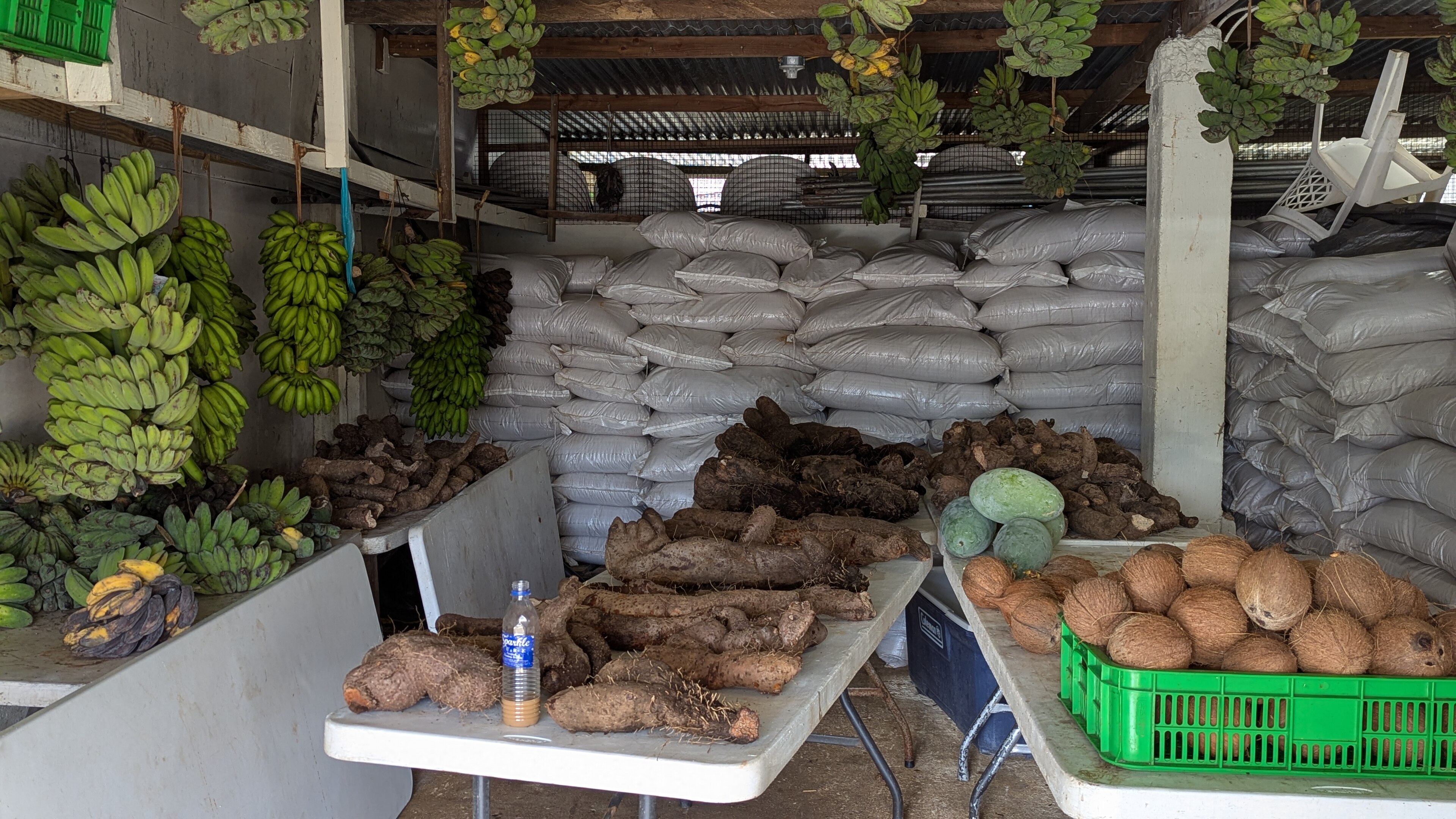
The Lagos State Government plans to commission the first phase of the Lagos Central Food Security Systems and Logistics Hub before the end of 2026, a project that the Commissioner for Agriculture and Food Systems, Abisola Olusanya, says will reshape how food moves through Nigeria's largest food market. According to Milling Middle East & Africa, Olusanya made the disclosure during the 2026 Ministerial Press Briefing at the Bagauda Kaltho Press Centre in Alausa, Ikeja.
The Scale of the Project
The hub sits in Ketu-Ereyun, Epe, and is being built as a technology-driven facility for food transportation, storage, processing, and distribution. Milling MEA reported that the project will accommodate more than 1,500 trucks daily and handle over 1.5 million metric tonnes of food annually, which is expected to make it the largest food logistics hub in Sub-Saharan Africa after completion. The facility will feature cold and dry storage systems, quality control laboratories, processing centres, digital trading platforms, truck parks, and modern warehouses designed to cut food waste and stabilise prices.
Why Storage and Logistics Matter for Prices
Post-harvest loss and weak logistics are central to why food costs what it does in Lagos. The same problem was flagged at the national level by the Country Director of the World Agriculture Forum Nigeria, Dr Alexander Isong, who told the News Agency of Nigeria that Nigeria loses value because food does not move efficiently from farm to market, describing value retention as the true battleground of food security. Isong argued that fixing logistics is how prices stabilise, which is precisely the gap the Epe hub is designed to close.
A Broader Lagos Food Architecture
The hub is one piece of a wider state strategy. Olusanya said Lagos remains Nigeria's largest food market, with an annual food economy estimated at ₦16.14 trillion, according to Milling MEA. To support production and offtake, the state activated a ₦500 billion Offtake Guarantee Fund under its Produce for Lagos initiative, designed to de-risk agricultural investment and guarantee market access for farmers, aggregators, processors, and logistics operators. The state's existing infrastructure includes the Imota Rice Mill, described in the same report as the largest rice mill in Africa and the third largest in the world, which produced more than 500,000 bags of Eko Rice during the review period. The Lagos Fresh Food Hub in Idi-Oro, Mushin, recorded over ₦1.2 billion in transactions across 76 market days since May 2025, with more than 850 vendors registered.
FoodPrices Nigeria tracks verified retail prices across markets including Mushin, Mile 12, and Oshodi. A functioning logistics hub of this scale in Epe would change the supply dynamics behind every one of those price points, and FoodPrices Nigeria will be watching whether the promised price stabilisation shows up at the market stall.