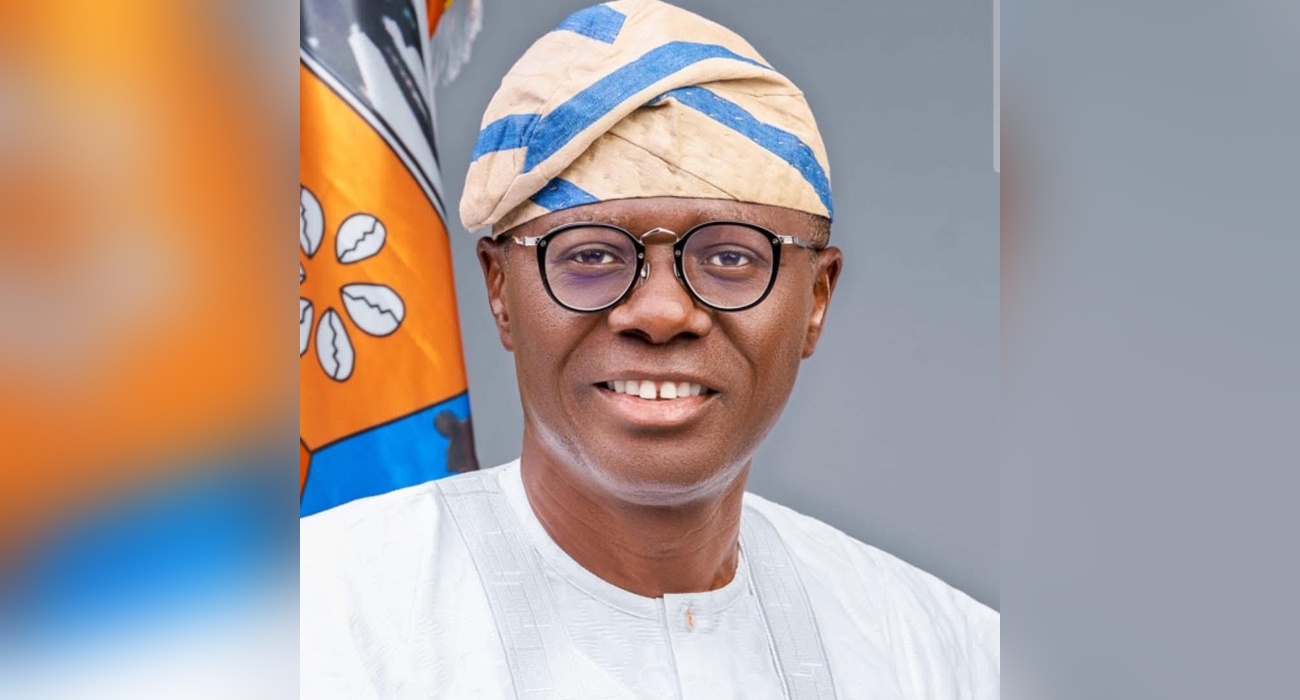
Lagos State plans to raise the share of its food demand met by local production from about 20% to 40%, Governor Babajide Sanwo-Olu said at the grand finale of the state's 2026 World Food Day celebration at the Nigeria Police College, Ikeja, Vanguard reported. Deputy Governor Obafemi Hamzat represented the governor at the event.
A Five-Point Strategy
Sanwo-Olu set out a five-point food security strategy covering technology, inter-state partnerships, investment in farmers, reducing post-harvest losses through better storage, and pursuing affordability, nutrition and sustainability, P.M. News reported on October 18, 2026.
"Lagos is Nigeria's smallest state by landmass, yet it is home to over 22 million people," the governor said, according to P.M. News. "We cannot achieve food security by expanding farmland."
Rice, Fish and Cattle
The state pointed to several production projects, according to Vanguard. The Lagos Rice Mill at Imota produces about 2.5 million 50kg bags a year and employs more than 2,000 people. The Eko Agro Mechanisation Programme has cultivated more than 3,000 hectares for 6,000 farmers.
The Igbodu cattle feedlot in Epe covers 750 hectares and is expected to fatten more than 100,000 cattle a year. The Lagos Aquaculture Centre of Excellence at Igbonla, Epe, is projected to produce 50 million fingerlings, 2,000 tonnes of fish and 24,000 tonnes of aquafeed a year. Under the Ounje Eko Farmers Subsidy Programme, 5,000 farmers received a 25% subsidy. The Lagos Agripreneurship Programme has trained more than 4,400 young people and women and given assets to more than 2,000 of them, while the Lagos Agrithon 3.0 innovation challenge carries a ₦200 million commitment.
Commissioner for Agriculture and Food Systems Abisola Olusanya and Special Adviser on Agriculture and Food Systems Dr Oluwarotimi Fashola also attended the event, P.M. News reported.
A Three-Tier Food Distribution System
Lagos is building a three-tier distribution system made up of a central hub, mid-level agro-produce hubs and last-mile networks. Phase One of the Lagos Central Food Security Systems and Logistics Hub at Ketu-Ereyun, Epe, is at an advanced stage. Mid-level hubs at Abijo in Ibeju-Lekki and Dairy Farm in Agege have been commissioned, while hubs at Opebi in Ikeja and Bombata on Lagos Island are under construction, Vanguard reported.
Addressing farmers directly, the governor said: "My tenure will end, but the importance of the farmer must never diminish."
Highest Food Inflation in the Country
The plan comes as Lagos records the steepest food price growth of any state. Lagos posted year-on-year food inflation of 34.40% in September 2026, the highest in Nigeria, according to National Bureau of Statistics data reported by Vanguard.
FoodPrices Nigeria tracks rice, beans, garri, tomatoes and other staples across 16 Lagos markets. Its captures will show whether new hubs, local rice output and storage investment narrow what Lagos households pay.
#Lagos #FoodSecurity #SanwoOlu #LagosRiceMill #FoodHubs #Agriculture #Nigeria #FoodPrices