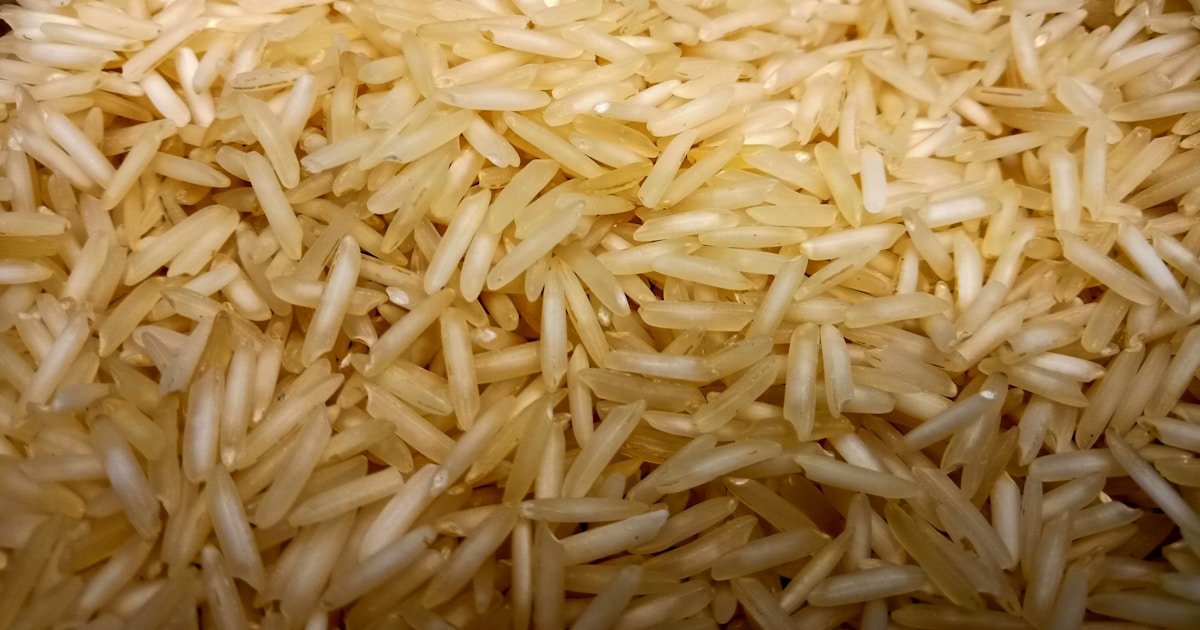
Lagos food markets are experiencing a dramatic price surge that threatens to push basic nutrition beyond the reach of ordinary households, with premium rice varieties now commanding ₦75,000 per 50kg bag at FoodPrices NG monitored markets. The price escalation represents a staggering reality check for consumers, as Mama Gold Rice leads the premium segment at ₦75,000 versus the more affordable imported short-grain varieties at ₦55,000 — a difference of ₦20,000 or 36% premium for local processing. This pricing structure creates a complex decision matrix for households, where the cheapest 50kg rice option now costs ₦55,000, translating to ₦1,100 per kilogram, while premium varieties reach ₦1,500 per kilogram.
The protein market has become particularly punishing for Lagos consumers, with beef prices settling at ₦5,500 per kilogram at Oyingbo Market, representing a significant burden for families seeking adequate nutrition. Frozen chicken offers some relief at ₦3,500 per kilogram, creating a ₦2,000 per kilogram savings opportunity, but even this "affordable" option pushes monthly protein costs to prohibitive levels. Titus fish commands ₦5,500 per kilogram, matching beef prices, while goat meat trades at ₦5,000 per kilogram. For a family of five consuming 150 grams of protein per person daily (750 grams total), weekly protein costs range from ₦18,375 for frozen chicken to ₦28,875 for beef — translating to monthly protein expenses between ₦73,500 and ₦115,500.
Grains pricing reveals a two-tiered market that effectively segregates consumers by economic class, with rice varieties spanning from ₦55,000 to ₦75,000 per 50kg bag across different brands and processing methods. Nigerian-manufactured rice commands ₦56,000 per 50kg, positioning it as a middle-ground option at ₦1,120 per kilogram, while imported long-grain varieties reach ₦62,000 per bag (₦1,240/kg). The Abakaliki Rice variety, traditionally considered premium local rice, trades at ₦63,000 per 50kg bag, demonstrating how local processing adds ₦7,000-₦8,000 to imported alternatives. Royal Stallion and Vitali Rice both command ₦65,000 per 50kg, representing ₦1,300 per kilogram and a 18% premium over the cheapest options.
Beans pricing across Lagos markets shows equally dramatic variations that can significantly impact household budgets, with brown beans ranging from ₦4,000 per paint bucket at Oyingbo to ₦5,800 at Balogun Market — a ₦1,800 difference representing 45% higher costs for the same quantity. Oloyin beans, traditionally preferred for their taste and texture, command premium prices of ₦6,000 per paint bucket at Oyingbo, escalating to ₦6,500 at some retail locations. Converting to per-kilogram pricing, beans range from approximately ₦1,600 to ₦2,600 per kilogram depending on variety and market location, making them a relatively affordable protein source compared to meat and fish options.
Vegetable markets across Lagos demonstrate extreme volatility that makes meal planning a daily gamble, with tomatoes exhibiting the most dramatic price swings from ₦1,500 per kilogram at some locations to ₦30,000 per basket at others. A standard tomato basket weighs approximately 20 kilograms, making the per-kilogram cost ₦1,500 when bought in bulk, but individual purchases can cost significantly more. Fresh pepper (rodo) trades between ₦2,000-₦4,000 per paint bucket, while tatashe commands similar prices, creating a combined seasoning cost of ₦6,000-₦8,000 for weekly household needs. Onions present another budget challenge at ₦3,000 per paint bucket, adding another ₦1,000-₦1,500 to weekly vegetable expenses.
Cooking oil pricing has created a significant household expense category, with vegetable oils ranging from ₦13,500 for a 5-litre Power Oil container to ₦4,000 for 500ml Kings Vegetable Oil — demonstrating how bulk purchasing can reduce per-litre costs from ₦8,000 to ₦2,700, a massive 66% savings opportunity. Palm oil offers an alternative at ₦58,000 for 25 litres (₦2,320 per litre), making it competitive with bulk vegetable oil purchases. For households consuming 2 litres of cooking oil monthly, costs range from ₦5,400 for bulk vegetable oil purchases to ₦16,000 for small-quantity purchases — a difference of ₦10,600 monthly or ₦127,200 annually.
Egg prices present both opportunity and challenge for protein-conscious consumers, with medium-sized eggs trading at ₦5,800 per crate (30 pieces) at Oyingbo Market, translating to approximately ₦193 per egg. For families incorporating eggs as a protein supplement, consuming 2 eggs per person daily for a family of five requires 70 eggs weekly, costing ₦13,510 per week or ₦54,040 monthly. This positions eggs as a cost-effective protein source compared to meat options, delivering complete protein at roughly ₦1,801 per kilogram of protein content.
Tuber crops provide essential carbohydrate alternatives, with garri pricing varying dramatically across processing methods and markets. White garri costs ₦2,300 per paint bucket at Oyingbo, while yellow garri commands ₦2,500 — a ₦200 or 8.7% premium for the preferred yellow variety. Converting to per-kilogram costs (paint bucket ≈ 8kg), garri costs approximately ₦300 per kilogram, making it the most affordable carbohydrate source. Sweet potatoes trade at ₦700 per kilogram, while yam costs vary from ₦2,000-₦2,500 per tuber depending on size, with medium tubers averaging 2-3 kilograms.
Geographic price analysis reveals systematic patterns that savvy consumers can exploit for significant savings, with Mile 12 Market consistently offering wholesale prices 15-25% below retail-heavy locations like Oyingbo or Agege Markets. Rice price variations span ₦3,000-₦5,000 per 50kg bag between markets, representing 8-12% savings opportunities for consumers willing to travel. Vegetable prices show even greater geographic variations, with tomato baskets costing ₦25,000 at Mile 12 versus ₦30,000-₦35,000 at retail markets — savings of ₦5,000-₦10,000 per basket or 20-33% cost reduction.
Household budget impact calculations reveal the crushing reality facing Lagos families, with a basic weekly food basket now costing ₦15,000-₦20,000 for a family of five, translating to ₦60,000-₦80,000 monthly. This represents 85-115% of the ₦70,000 federal minimum wage, leaving no room for non-food expenses. A breakdown shows rice (₦8,000 monthly), proteins (₦75,000), vegetables (₦12,000), cooking oil (₦8,000), and other staples (₦10,000) totaling ₦113,000 monthly — 61% above minimum wage. Even subsistence-level nutrition requires ₦45,000-₦55,000 monthly, consuming 65-80% of minimum wage income.
Strategic shopping recommendations can reduce household food costs by 25-35% through market selection and bulk purchasing decisions. Buying rice at Mile 12 Market instead of neighborhood retailers saves ₦3,000-₦5,000 per 50kg bag. Purchasing cooking oil in 5-10 litre containers rather than 1-litre bottles reduces per-litre costs from ₦3,500 to ₦2,500 — saving ₦2,000 per litre or ₦4,000 monthly for typical consumption. Protein diversification, incorporating more eggs and beans while reducing meat consumption, can cut monthly protein costs from ₦100,000 to ₦45,000 without sacrificing nutritional value.
Supply chain disruptions and seasonal factors continue driving price volatility, with tomato and pepper prices reflecting harvest cycles and transportation challenges. The current tomato price surge of 100-150% above historical averages suggests supply bottlenecks from major producing regions. Rice price increases reflect multiple factors: foreign exchange pressures affecting imported varieties, fuel cost impacts on transportation, and local processing costs for domestic alternatives. These structural issues indicate price pressures will persist through the first quarter, with seasonal relief unlikely until the next harvest cycle.
Cross-category substitution analysis reveals strategic opportunities for budget-conscious consumers to maintain nutrition while controlling costs. Garri at ₦300 per kilogram offers superior value compared to rice at ₦1,100-₦1,500 per kilogram for carbohydrate needs. Beans at ₦1,800 per kilogram provide complete protein at one-third the cost of meat alternatives. Eggs deliver animal protein at ₦6,000 per kilogram of protein versus ₦15,000+ for meat sources. Palm oil at ₦2,300 per litre costs 30% less than vegetable oil for cooking needs. Strategic substitution can reduce food costs by 40-50% while maintaining nutritional adequacy.
Market outlook suggests continued pressure on food prices through 2026, with structural factors including fuel costs, foreign exchange volatility, and transportation challenges unlikely to ease significantly in the near term. Consumers should prepare for sustained high prices by developing bulk purchasing strategies, exploring wholesale market access, and diversifying protein sources toward more affordable options. The current price environment represents a fundamental shift requiring household budget restructuring and consumption pattern adjustments to maintain food security within available income constraints. Policy interventions targeting transportation costs, import financing, and local food processing could provide relief, but consumer adaptation strategies remain essential for navigating the current food price crisis.