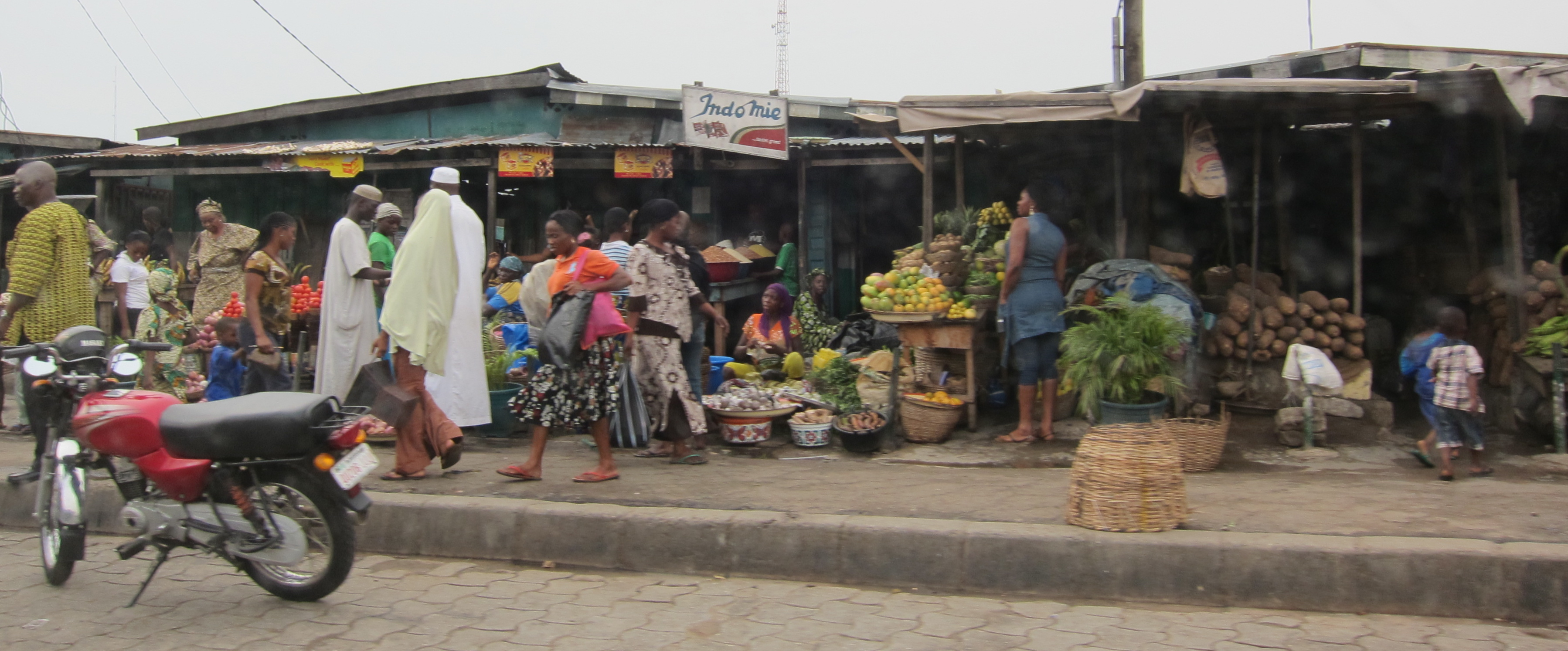
Lagos State has opened a new front in its fight against high food prices, commissioning a mid-level agro-produce hub in Agege designed to shorten the distance between farm and plate. Governor Babajide Sanwo-Olu inaugurated the 7,000 square-metre Lagos Fresh Food Hub at Pen Cinema, describing it as part of a broader Food Systems Transformation Agenda covering production, aggregation, transport, storage, processing and distribution, according to Tribune Online. The governor said the facility was built to cut out middlemen, curb food spoilage and lower consumer costs, as Guardian reported.
A Network, Not a One-Off
The Agege facility is the third mid-level hub in the state, following the Fresh Food Hub in Mushin, commissioned in December 2023, and the Abijo hub in Ajah, opened earlier in 2026 by President Bola Ahmed Tinubu, according to Nigeria Info. The hubs are designed to shorten the farm-to-table supply chain by reducing layers of intermediation and improving how produce is handled, and the early results are already visible. The Mushin hub has recorded transactions worth more than ₦4 billion across 228 market days, with over 850 registered vendors and more than 7,000 direct and indirect jobs created, according to BusinessDay. The Agege hub can handle food worth more than ₦5 billion a year, includes an expanded seafood section and offers parking for about 90 vehicles to ease logistics, the same report noted.
Why Lagos Needs It
The stakes are unusually high for Lagos. The state is home to more than 25 million people yet produces very little of what it eats, with over 70 per cent of its food coming from outside its borders, according to Tribune Online. That dependence exposes residents to high transport costs, post-harvest losses, weak storage and price volatility, the governor said, arguing that feeding Lagos is not a production challenge alone but a whole-system problem, according to Guardian.
A Demand-Driven Model
Behind the physical hubs sits a financing idea meant to give farmers certainty. The infrastructure is supported by the Produce for Lagos Programme, launched in July 2025 alongside a ₦500 billion Offtake Guarantee Fund, which shifts the state from a supply-driven to a demand-driven model in which growers within Lagos and partner states produce against organised, guaranteed demand, according to Worldstage. Sanwo-Olu said the network is part of a long-term plan to turn Lagos from a consumption-driven market into an integrated production, processing, logistics and distribution centre, according to The Nation. The state is also building a larger Central Food Systems and Logistics Hub at Ketu-Ereyun in Epe, now at an advanced stage, and has trained more than 4,000 young people through its Agripreneurship Programme, according to The Eagle Online.
Shorter supply chains and fewer middlemen are among the surest ways to ease the mark-ups that inflate what Lagosians pay at the stall. FoodPrices Nigeria tracks verified retail prices across Lagos markets, the ground-level test of whether these hubs actually move prices for shoppers.