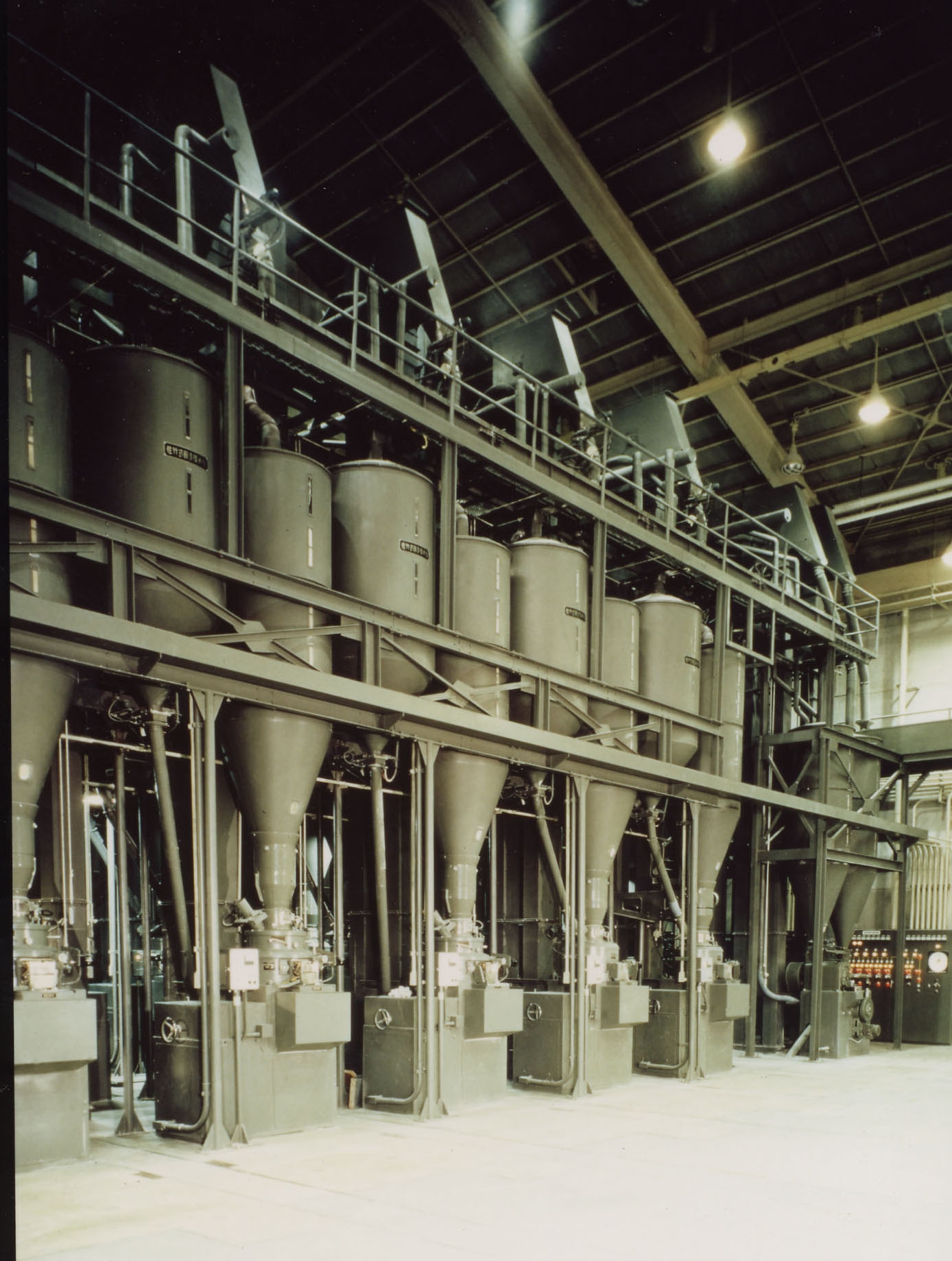
A company built on trucks and shipping containers has moved into food, commissioning one of northern Nigeria's newer rice mills as private investors bet on local processing. BlackHorse Holding Company commissioned a 400-metric-tonne per day rice mill under its subsidiary Crescent Rice Limited, alongside a 240-metric-tonne sack manufacturing plant run as Aminchi Bags Limited, at its complex in Danzaki, along Hadejia Road in Kano, on July 29, 2026, according to P.M. News and The Nation. Both plants run on a dedicated 3-megawatt off-grid power solution built to keep production uninterrupted.
From Haulage to Milling
The move is a notable pivot. BlackHorse built its name in logistics and haulage through subsidiaries such as Dangwauro Container Terminal, serving global shipping and industrial clients including Maersk, CMA CGM and Hapag-Lloyd, before expanding into agro-processing and manufacturing, according to The Sun and Independent. The Managing Director of Crescent Rice, Rahul Bakliwal, said the company invested in the agricultural value chain to support the national food supply and address packaging problems, according to Daily Trust.
A Phased Build-Up
The mill reached full capacity in stages rather than overnight. It began operating in 2024 at just 80 tonnes a day, added two production lines in 2025 to reach 240 tonnes, and hit its 400-tonne target with the latest expansion, according to BusinessDay. The company said it already plans to push milling capacity beyond 500 tonnes a day and to extend its value chain into groundnut oil and sorghum processing, according to P.M. News.
Quality and Packaging
The launch also carried a quality and self-sufficiency angle. Three Crescent Rice products recently received the African Organisation for Standardisation Dual Mark of Quality, administered through the Standards Organisation of Nigeria and certifying compliance with a continental standard, according to MSME Africa. The sack plant is designed to serve the packaging needs of the food and manufacturing industries while cutting dependence on imported bags, according to ThisDay. The Chairman and Chief Executive of BlackHorse, Muhammad Sani Utai, framed the plants as evidence of private-sector confidence despite economic headwinds, according to The Nation.
Every tonne of rice milled at home is rice Nigeria does not have to import, and steadier domestic supply is what eventually calms prices. FoodPrices Nigeria tracks verified rice prices across Lagos markets and follows the processing investments that shape what a bag of rice costs.