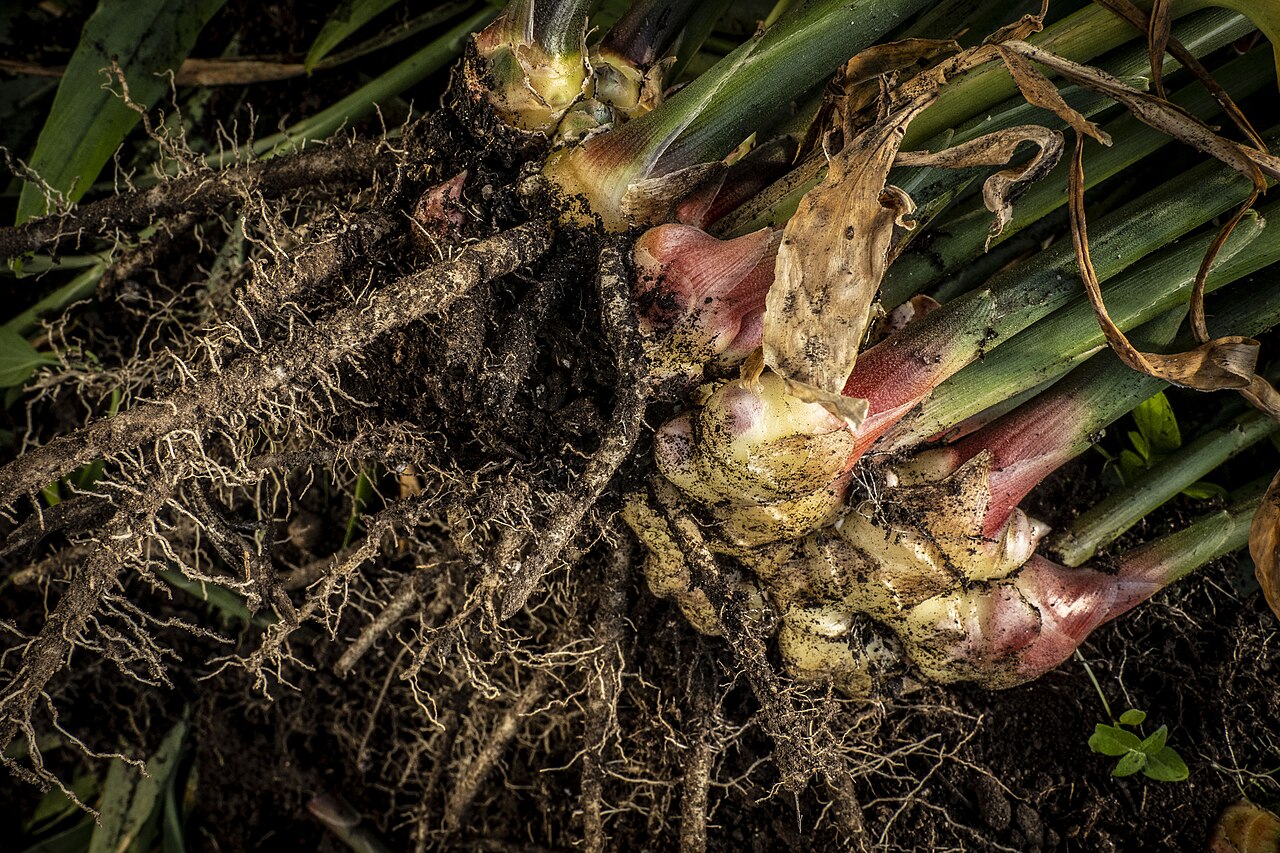
Kaduna State is set to host what its promoters describe as Africa's largest ginger processing hub, a project designed to move Nigeria's ginger farmers away from selling raw roots and toward higher-value processed exports. The initiative will mobilise ₦40 billion, about $29.5 million, and was announced by Sunday Katung, the senator representing Kaduna South, according to African Agribusiness.
A Federal and State Partnership
The investment will be co-financed equally by the federal government and the Kaduna State government, the same report noted. While detailed specifications have not yet been disclosed, the facility is designed to raise output, cut post-harvest losses and strengthen export value through processing rather than raw shipments. Katung framed the initiative as more than a ginger project, describing it as a catalyst for rural industrialisation, job creation and wealth generation in farming communities, with farmers shifting from selling raw produce to processing and exporting higher-value products.
Why Ginger Matters for Kaduna
Kaduna sits at the centre of Nigeria's ginger belt, with cultivation concentrated around the Kachia and Jema'a areas, and Nigerian ginger is widely recognised as among the best in the world, commanding premium prices in international markets, as industry analysis of Nigeria's leading export commodities noted. That same analysis points out that value-added products such as dried ginger, ginger powder and ginger extracts earn considerably higher margins than raw roots, which is the gap the new plant is meant to close.
Turning raw ginger into powder, oil and extracts keeps more of the value inside Nigeria and can steady incomes for thousands of farming households. FoodPrices Nigeria tracks verified retail prices across Lagos markets, where stronger local processing of spices and staples could, over time, influence what households pay.
#Ginger #Kaduna #AgroProcessing #Export #ValueAddition #Lagos #FoodPrices #Nigeria #Agriculture #Investment