Jigawa State has flagged off its 2026 Wet Season Agricultural Support Programme with a plan built around year-round farming rather than a single rainy season, promising timely inputs, irrigation facilities and mechanisation to farmers. Governor Umar Namadi launched the initiative at the start of fertiliser sales for wet and dry season rice farmers in Dutse, according to The Guardian.
Solar Pumps to Beat the Dry Season
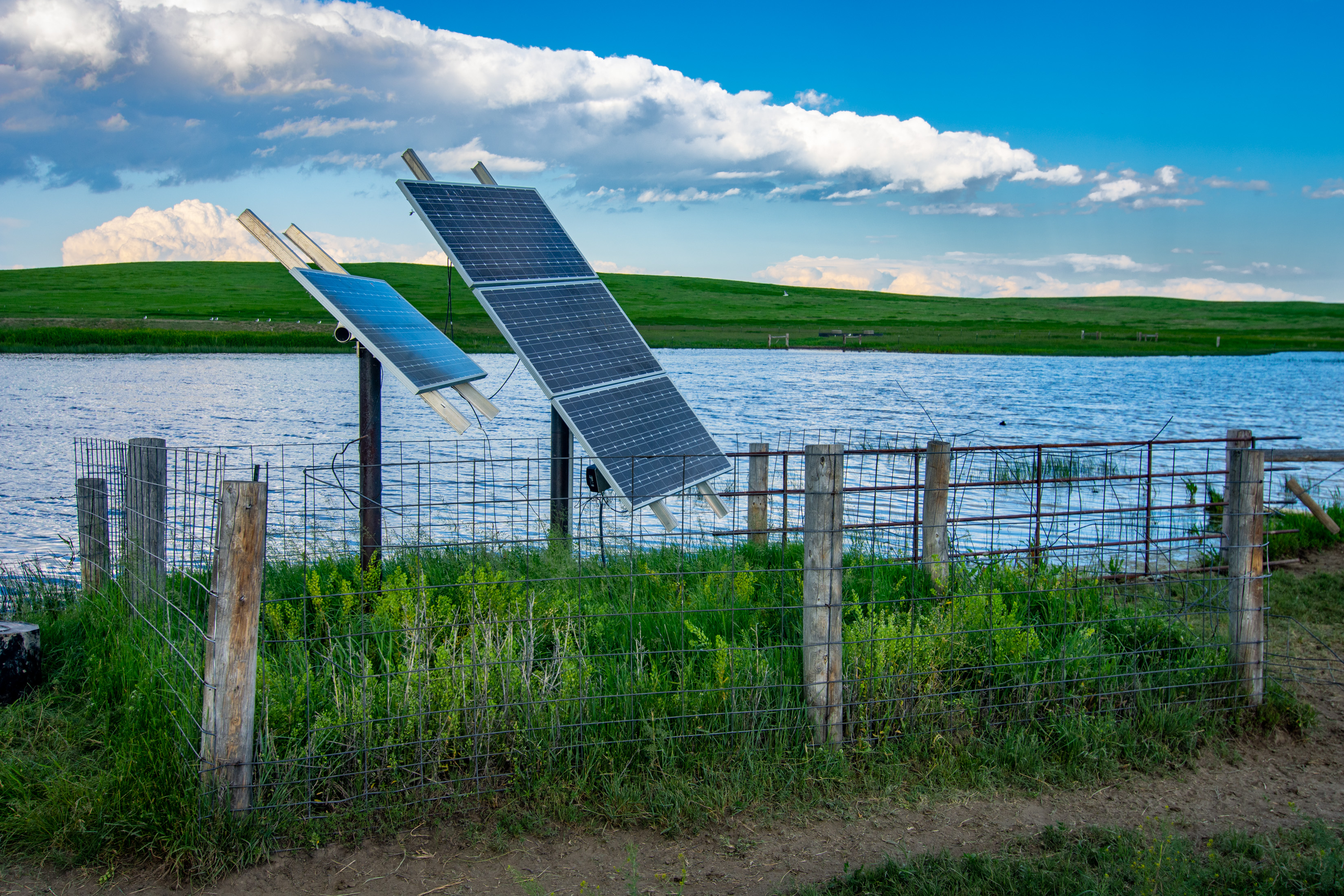
The programme will provide fertiliser support to 90,000 farmers, with 50,000 fully sponsored by the state government and another 40,000 covered through a partnership involving the Bank of Agriculture and StarAgri, the Guardian reported. At the centre of the intervention are 6,000 high-capacity solar-powered water pumps intended to cut irrigation costs and make all-season farming viable, a direct answer to the rising cost of fuelling diesel pumps that has squeezed dry-season growers.
Getting Advice to the Farm Gate
The state is also distributing 1,185 motorcycles to agricultural extension workers to strengthen the Jigawa Agricultural Extension System and help agents reach farmers in remote communities, according to the Guardian. The Commissioner for Agriculture and Natural Resources, Muntaka Namadi, said more than 250,000 farmers have benefited from state interventions over three years, spanning the deployment of 1,700 extension agents, 450 tractors, 70 combine harvesters, 20 modern greenhouses, four climate-smart agriculture centres, the rehabilitation of the Kuda and Dembo dams, and the development of 200 five-in-one rice processing clusters across the state.
By pairing irrigation with processing and advice, the state is trying to lift both output and value retention close to where crops are grown. FoodPrices Nigeria tracks verified retail prices across Lagos markets, where stronger year-round production in supply states like Jigawa feeds into the rice and grain prices households eventually pay.