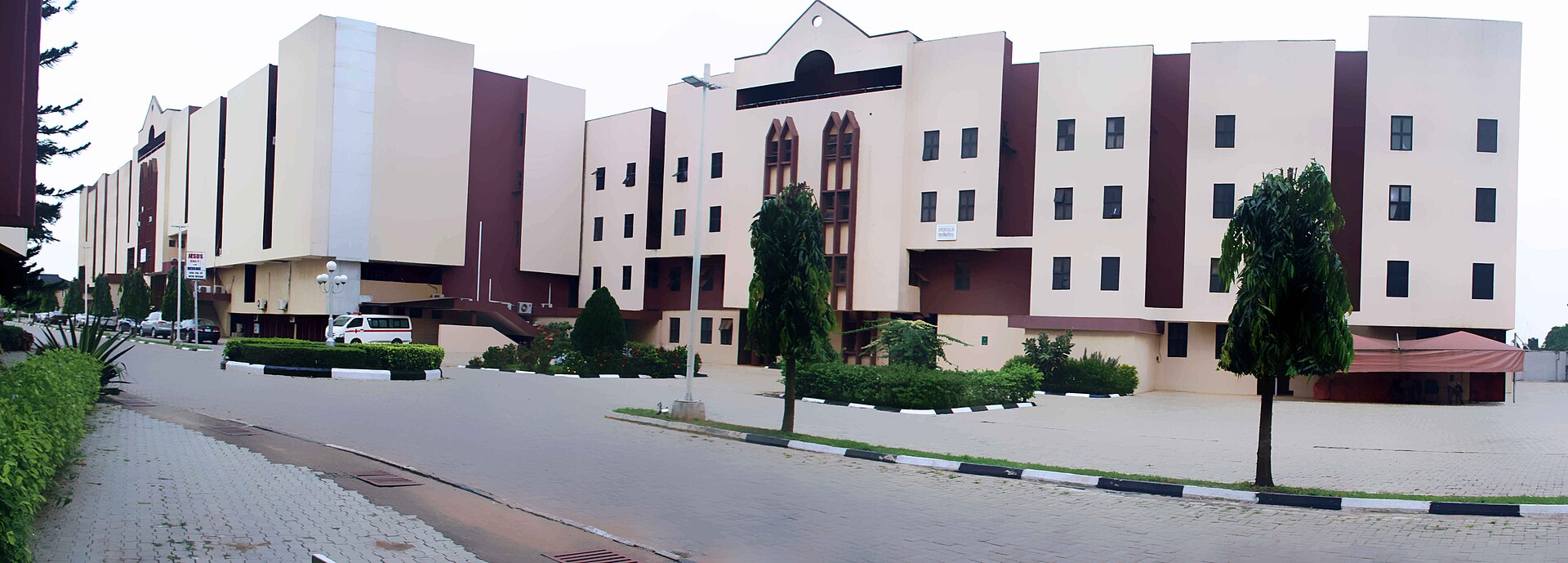
Ayobo Market in Ipaja, Lagos — a major grains and commodities hub serving one of the most densely populated corridors in Africa's largest city — has come under verified price surveillance for the first time, with FoodPrices Nigeria deploying field agents across the market this week to capture live prices from multiple traders. The data, collected on March 23, 2026, arrives at a fraught moment for Nigerian consumers: the NBS confirmed that food inflation climbed back to 12.12% in February 2026, reversing the brief single-digit relief recorded in January when it fell to 8.89% Legit.ng — the lowest reading in a decade.
The Ayobo data offers a rare window into a market that has long operated outside formal price monitoring infrastructure. What it shows is both reassuring and instructive.
Rice: Ayobo Is Currently the Cheapest Point in Lagos for Short-Grain
Imported short-grain rice sells at ₦54,000 per 50kg bag at Ayobo Market — a price verified across multiple sellers surveyed by FoodPrices agents this week. A 25kg half-bag costs ₦27,000, while retail buyers pay ₦4,500 per paint bucket and ₦900 per derica. This makes Ayobo the most affordable monitored market for short-grain rice in Lagos right now: Ajah Market quotes ₦63,000 per bag, Lekki-Jakande Market ₦60,000, and Sabo Market Yaba ₦55,000 per our verified data from March 19–20.
The ₦9,000 gap between Ayobo and Ajah for the same product is significant — it represents the difference between a household spending ₦54,000 and ₦63,000 on the same 50kg bag. For families buying in bulk, sourcing from Ayobo rather than Ajah saves nearly two weeks of minimum-wage daily earnings.
Long-grain imported rice commands a ₦11,000 premium over short-grain at ₦65,000 per 50kg bag — on par with Sabo Market Yaba and ₦8,000 below Ajah Market's ₦73,000 quote. At ₦6,000 per paint bucket, long-grain remains a stretch purchase for most Ipaja households. National market surveys show staple prices have climbed sharply ahead of Eid al-Fitr, with a combination of Ramadan demand and rising logistics costs putting pressure on household budgets Legit.ng — a trend Ayobo's rice prices appear to be resisting, at least for now.
Beans: Six Varieties, Uniform Pricing, Unusually Competitive
Ayobo Market carries an exceptionally broad beans selection — five varieties tracked in a single market visit — with Oloyin, Drum, White, and Oloyin Small all pricing identically at ₦60,000 per 50kg bag and ₦4,000 per paint bucket. Beans (Olo) comes in slightly lower at ₦58,000 per bag, making it the most affordable variety on offer.
The cross-market picture is stark. At Lekki-Jakande Market, Oloyin beans costs ₦77,000 per 50kg bag — ₦17,000 more than Ayobo. Ajah Market quotes ₦74,000, while Mile 12 and Mushin both sit at ₦65,000. Only Sabo Market Yaba matches Ayobo's ₦60,000 price point. At the derica level, Ayobo trades at ₦800 — below Ajah's ₦1,200 and Lekki-Jakande's ₦1,200 — offering daily-purchase relief for households that cannot afford bulk quantities.
This price advantage is consistent with Ayobo's positioning as a mid-chain distribution market, closer to wholesale sources along the Lagos-Abeokuta corridor than the island-facing markets of Ajah and Lekki-Jakande, which absorb higher transport costs. The NBS noted that the month-on-month surge in food inflation in February was driven significantly by rising prices of beans, cassava tuber, crayfish, millet flour, and yam flour The Guardian Nigeria — precisely the categories most sensitive to logistics cost pass-through.
Garri: Stable at ₦20,000, Buyers Have Options
Yellow garri sells at ₦20,000 per 50kg bag — ₦2,000 above Mile 12 Market's ₦18,000 but ₦1,500 below Lekki-Jakande Market's ₦21,500. White garri matches yellow at ₦20,000 per bag, an unusual parity — in most Lagos markets, white garri trades at a modest discount to yellow. At the retail end, yellow garri costs ₦1,500 per paint bucket and ₦400 per derica, while white garri is slightly cheaper at ₦1,200 per paint and ₦300 per derica.
These retail prices matter: most Ayobo consumers buy garri in derica or paint quantities rather than full bags. At ₦400 per derica for yellow garri, a family purchasing six dericas a week — a reasonable estimate for a household of four — spends ₦2,400 weekly or roughly ₦9,600 monthly on garri alone.
The Macro Pressure Building Behind These Prices
Ayobo's comparatively moderate prices exist within a deteriorating national picture. On a month-on-month basis, food inflation surged to 4.69% in February, rising more than 10 percentage points from -6.02% recorded in January — with beans, carrots, crayfish, millet flour, and yam flour among the key drivers Legit.ng. The All Farmers Association of Nigeria has warned that rising logistics costs — with petrol prices approaching ₦1,200 per litre in major cities — could significantly push up food prices in the coming months Legit.ng.
The CBN cut its Monetary Policy Rate from 27% to 26.5% at its February MPC meeting, following a sustained period of disinflation The Guardian Nigeria, but the transmission of easier monetary policy into food prices is slow in an economy where transport costs and supply-chain bottlenecks remain the dominant pricing variables. For a market like Ayobo — dependent on goods moving from Mile 12 and northern wholesale depots — diesel price movements are a more immediate determinant of next week's bean prices than any central bank rate decision.
What the Data Signals
FoodPrices Nigeria will continue weekly price monitoring at Ayobo Market. The inaugural dataset establishes a pricing baseline: short-grain rice at ₦54,000, Oloyin beans at ₦60,000, garri at ₦20,000 per 50kg bag. These benchmarks will now serve as the reference point against which future price movements — driven by Eid demand, fuel price shifts, or supply disruptions — will be measured.
For the 2.5 million residents of Alimosho Local Government Area, which Ayobo Market partially serves, live price data is not an academic exercise. At a moment when food inflation is reversing its brief period of relief and staple prices are climbing again Legit.ng, knowing that short-grain rice is ₦9,000 cheaper at Ayobo than at Ajah is actionable intelligence.