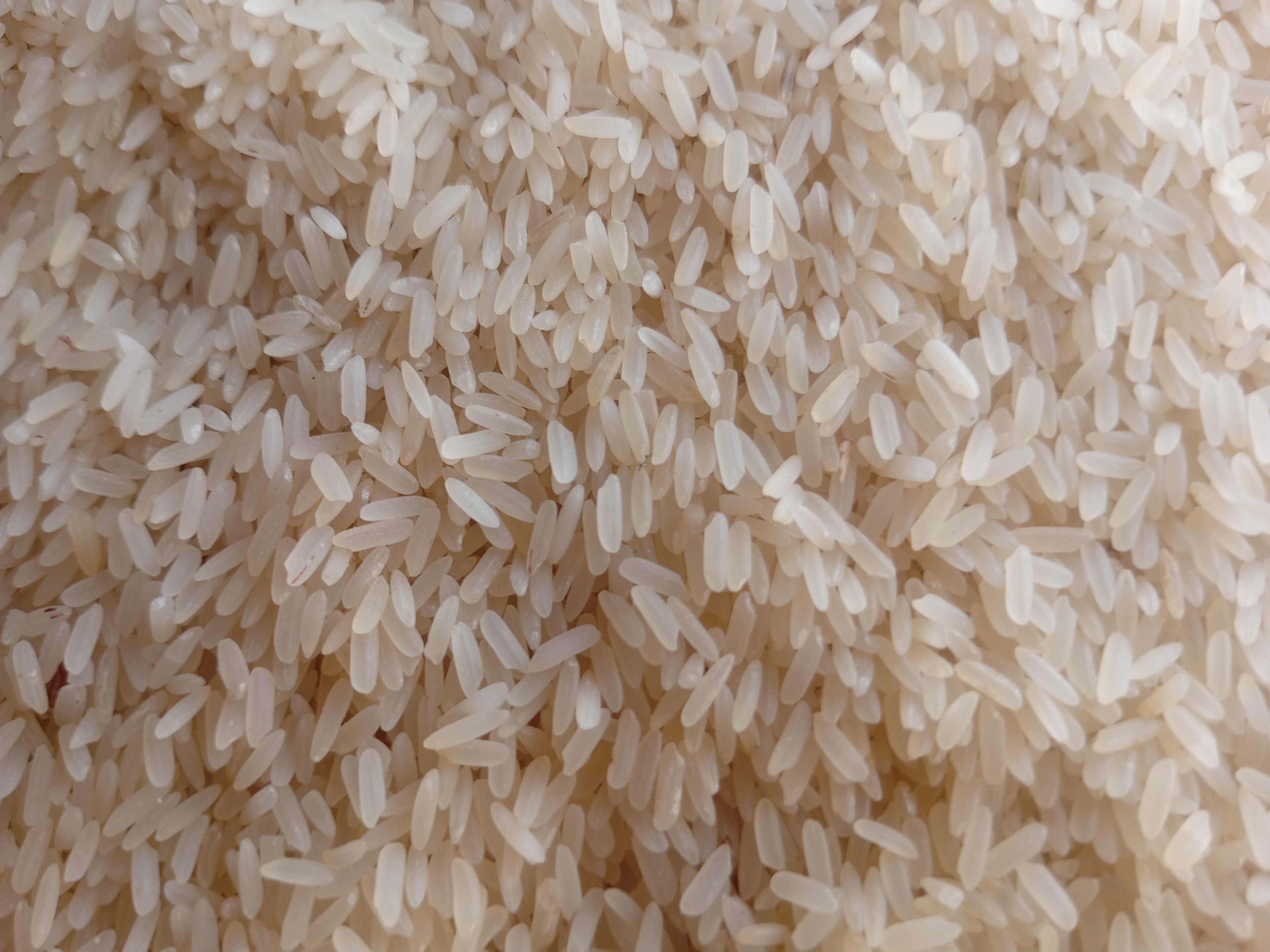
The usual shape of Lagos food pricing puts the island at the top of the table. Imported short grain rice breaks that pattern this week. The Ministry of Agriculture and Food Systems market survey for the week of 17 July 2026 records Imported Rice (Short Grain) at ₦5,000 per paint at Ajah Market, while three mainland markets quote more. The Lagos average across nine markets is ₦4,839.
Three Mainland Markets Beat the Island Quote
Oyingbo Market tops the survey at ₦5,300, which is 6% above the Ajah quote and 9.5% above the citywide average. Sabo Market Yaba and Mushin Market both sit at ₦5,200, 4% above Ajah. All three are dense inner-mainland markets serving heavily built-up residential areas, and on this product they cost more than the island axis does. The island premium of 4% against a mainland average of ₦4,819 is real as an average, but it conceals the fact that Ajah is only the sixth dearest of nine markets on this grade.
The Cheap Quotes Sit at the City's Working Edges
Below the average sit five markets. Agbalata Market holds the floor at ₦4,350, some 10.1% under the citywide figure. Mile 12 Market and Agege Market both quote ₦4,500, Epe Main Market ₦4,700 and Ile-Epo Market ₦4,800. The full spread from Agbalata to Oyingbo is ₦950, making the dearest paint 22% more expensive than the cheapest.
A Week Up Against a Year Down
The average rose from ₦4,733 in the prior survey to ₦4,839, a gain of 2.2%, and stands 1.5% above the level of four weeks ago. Since 9 January it has fallen 7.8% from ₦5,250. Independent surveys point the same way on the annual trend. A market survey conducted on 25 June and reported by P.M. News found rice down 20% from ₦75,000 to ₦60,000 per 50kg bag between the final quarter of 2025 and June 2026, and Legit.ng reported National Bureau of Statistics commodity data showing sharp year on year declines across staples at the start of the year.
Why the Inner Markets Can Charge More
Retail pricing tracks the cost of getting stock the last few kilometres as much as the cost of the rice itself. Analysis by SBM Intelligence reported in Premium Times found heavy rains flooding roads, delaying harvests and lifting transport costs through the second quarter, and recorded the sharpest increase of any market in its index at Trade Fair and Balogun, up 49.6% between July 2025 and June 2026. Fuel has since moved again, with Politics Nigeria reporting petrol reaching ₦1,400 per litre in late July. Against that, the National Bureau of Statistics put food inflation at 17.52% year on year in June even as the headline rate eased, as Nairametrics reported.
What the Pattern Means for a Household
The practical lesson is that proximity is not the same as price. A household in Yaba or Mushin sits inside a dense market network and still pays more per paint than a household buying at Ajah. Nigeria's minimum wage is ₦70,000 a month, so choosing Agbalata Market over Oyingbo Market saves ₦950 on a single paint, which is 1.4% of that wage. Across the category, Nigerian Manufactured Rice averaged ₦4,971 per paint this week and Imported Rice (Long Grain) ₦5,294, leaving short grain the cheapest of the three at this measure.
What the Weekly Rise Costs a Weekly Shopper
A 2.2% move sounds abstract until it is converted into naira. On the citywide average it adds ₦106 to every paint bought. A household buying two paints a week pays ₦212 more than it did seven days ago and ₦848 more across a month, which is 1.2% of a monthly minimum wage absorbed by a single week's price change on one item. Currency conditions have not driven that move, since Vanguard reported the official rate holding around ₦1,380 per dollar with the most recent published fixing at ₦1,382.18 for 15 July.
FoodPrices Nigeria will keep testing whether the island premium holds product by product rather than assuming it. Live prices: foodprices.ng/real-time-prices