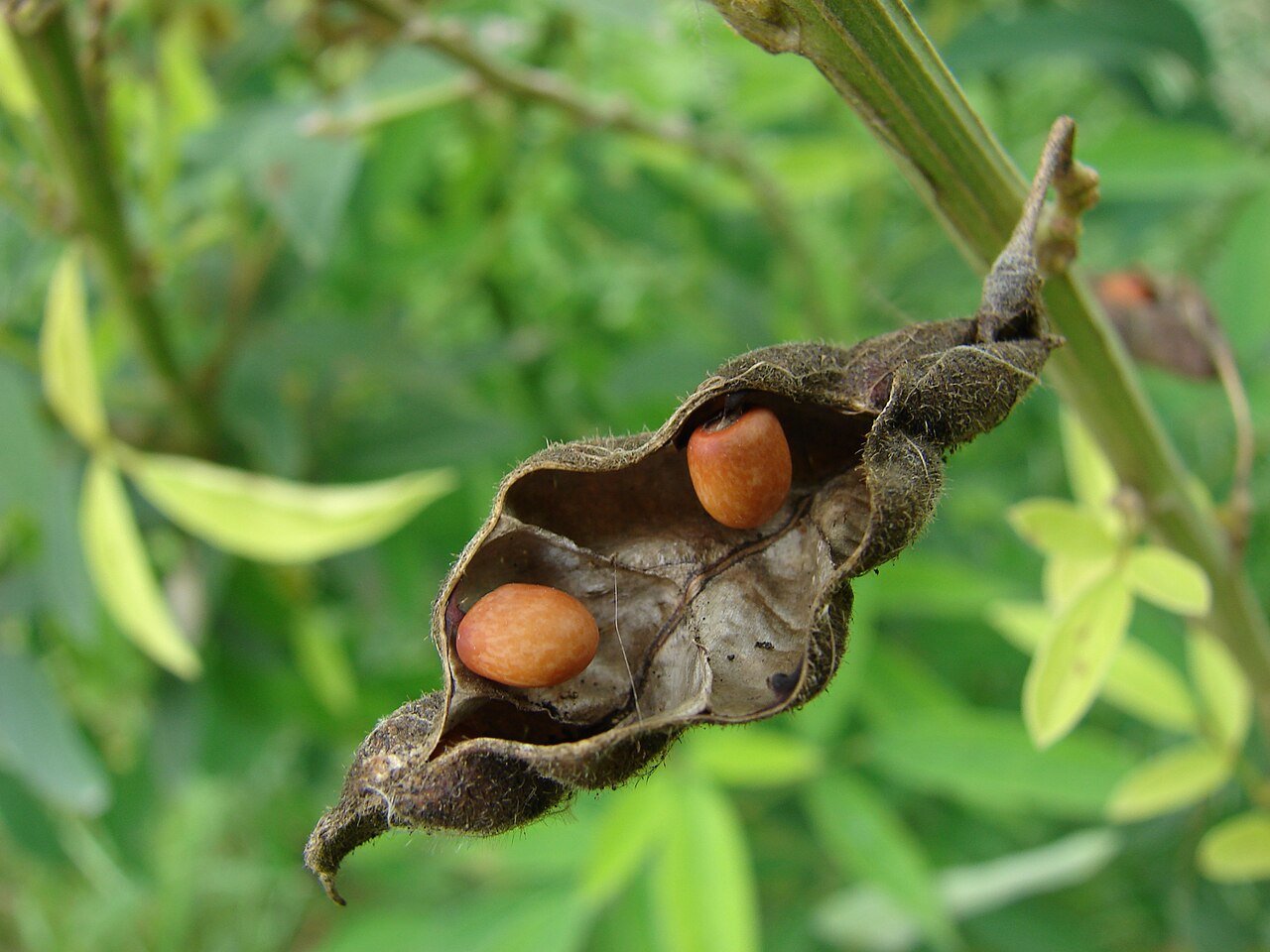
Pigeon pea is the kind of crop that should be a headline act in a country worried about protein and hunger, yet in Nigeria it barely gets a mention. Known as fio-fio or agbugbu in Igbo, otili in Yoruba and aduwa in Hausa, it is a nutrient-dense legume that provides food during lean periods, income for farmers and feed for livestock, and it remains badly underused.
A Hardy Legume Built for Tough Conditions
Pigeon pea, botanically Cajanus cajan, is a perennial shrub that grows one to four metres tall and yields a harvest in six to eleven months, with some newer varieties maturing in just three to four, according to a review in Frontiers in Sustainable Food Systems. The same review lists it among a small set of neglected Nigerian crops chosen for their resilience to environmental stress such as drought and heat and their high nutritional value, qualities that make it well suited to a warming climate and marginal soils where other legumes struggle.
Neglected at Home
Despite that promise, the crop sits on the margins of Nigerian agriculture. Pigeon pea is underutilised in Nigeria in terms of research, production and utilisation despite its clear economic and nutritional importance, according to a study in the Journal of Agriculture and Food Research, which examined its shaky production status and the constraints farmers face. A broader review of underutilised crops in Nigeria and Uganda published by White Rose Research placed pigeon pea alongside African walnut and breadfruit as indigenous foods with strong potential to improve food and nutrition security that remain held back by weak markets and thin investment.
A Market Waiting Abroad
The demand picture makes the neglect harder to justify. Pigeon pea, split and cooked as dhal, is a dietary staple across South Asia, and India is the world's largest producer and consumer while still importing large volumes to meet demand, a market Nigerian growers are well placed to serve if production and processing scale up. Better varieties with shorter cooking times and improved taste, along with awareness campaigns on its nutritional value, would lift production, marketing and consumption, the Journal of Agriculture and Food Research study argued. As a nitrogen-fixing legume, pigeon pea also rebuilds tired soil, offering an agronomic bonus on top of its protein.
Pigeon pea is a nutritious, climate-ready crop with a ready export market that Nigeria has largely left on the shelf. FoodPrices Nigeria tracks verified retail prices across Lagos markets and follows the overlooked crops that could strengthen protein supply and steady food costs.
#PigeonPea, #FioFio, #Otili, #Legumes, #FoodSecurity, #Nigeria, #Lagos, #FoodPrices, #Agriculture, #Nutrition