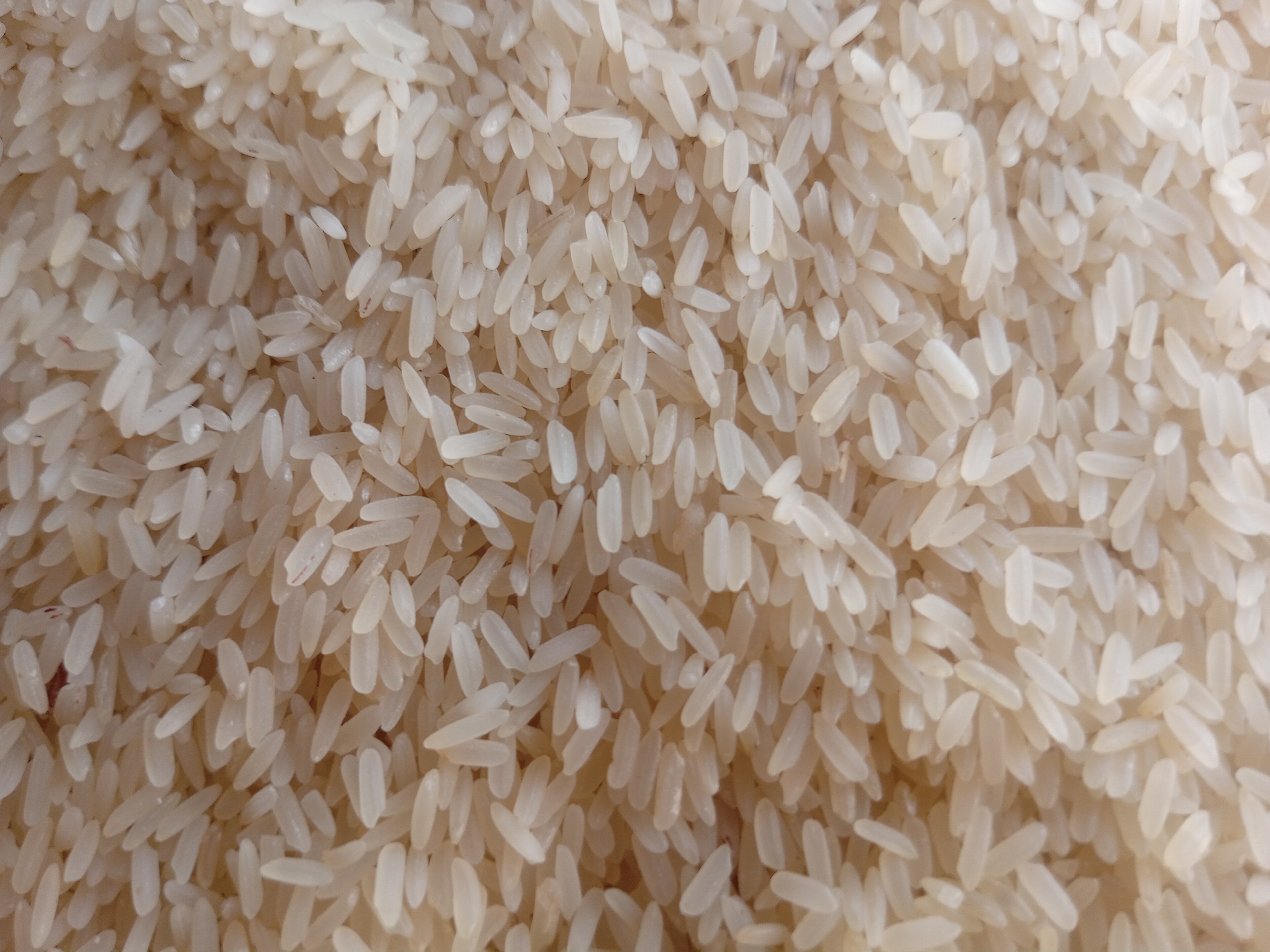
A 25kg bag of Imported Rice (Long Grain) posted one of the steepest mean price declines in this week's Ministry of Agriculture and Food Systems market survey, falling 3.8% from ₦29,688 to ₦28,562 in Lagos.
This Week's Mean Price
The mean was calculated across eight Lagos markets. The cheapest bag was recorded at ₦26,500 in Agbalata Market, while the priciest reached ₦30,000 in Mushin Market.
What's Driving The Move
Imported rice is the most exchange rate sensitive item in this survey, and the naira had a strong week. Daily Post reported that the currency closed at ₦1,367.76 per dollar at the official Nigerian Foreign Exchange Market on 23 July, and that on a week-on-week basis it appreciated by ₦18.19 at the official market and ₦15 in the parallel market, with external reserves at $52.02 billion as of 23 July. A stronger naira reduces the landed cost of every imported bag directly and quickly.
Fiscal policy pushed the same way. Nigeria reduced its import duty on bulk rice above 5kg from 70% to 47.5%, and on broken rice from 70% to 30%, effective 1 July 2026. Milling Middle East and Africa reported the change from fiscal policy documents seen by Platts, and traders quoted there expected importers to begin shipping directly into Nigeria rather than routing through Cotonou.
Both landed on a market already carrying surplus stock. Platts assessments reported by the same outlet in November 2025 found Nigerian rice prices down 32% on oversupply, with a Lagos-based trader describing a structural surplus that would take time to correct as India and Thailand flooded the West African corridor following record harvests.
The retail effect has been visible in Lagos markets since late last year. Punch and BusinessDay both reported in October 2025 that rice prices had crashed in several Lagos markets, including Oyingbo, Arena in Oshodi, Festac Town and Mile 12, with a 50kg bag of local rice that had sold for around ₦85,000 in January 2025 falling to between ₦60,000 and ₦70,000, and both noted trader concern over squeezed margins.
Those market reports predate this survey by several months, so they establish the trend rather than explain this particular week. What is current is the exchange rate and the tariff, and both moved in the direction this week's mean followed. Notably, rice fell in the same week that a 13% petrol price increase pushed domestically produced staples higher, which is the clearest evidence that the two categories are now responding to different pressures.
For live, continuously updated prices across all markets in this survey, visit https://foodprices.ng/real-time-prices.