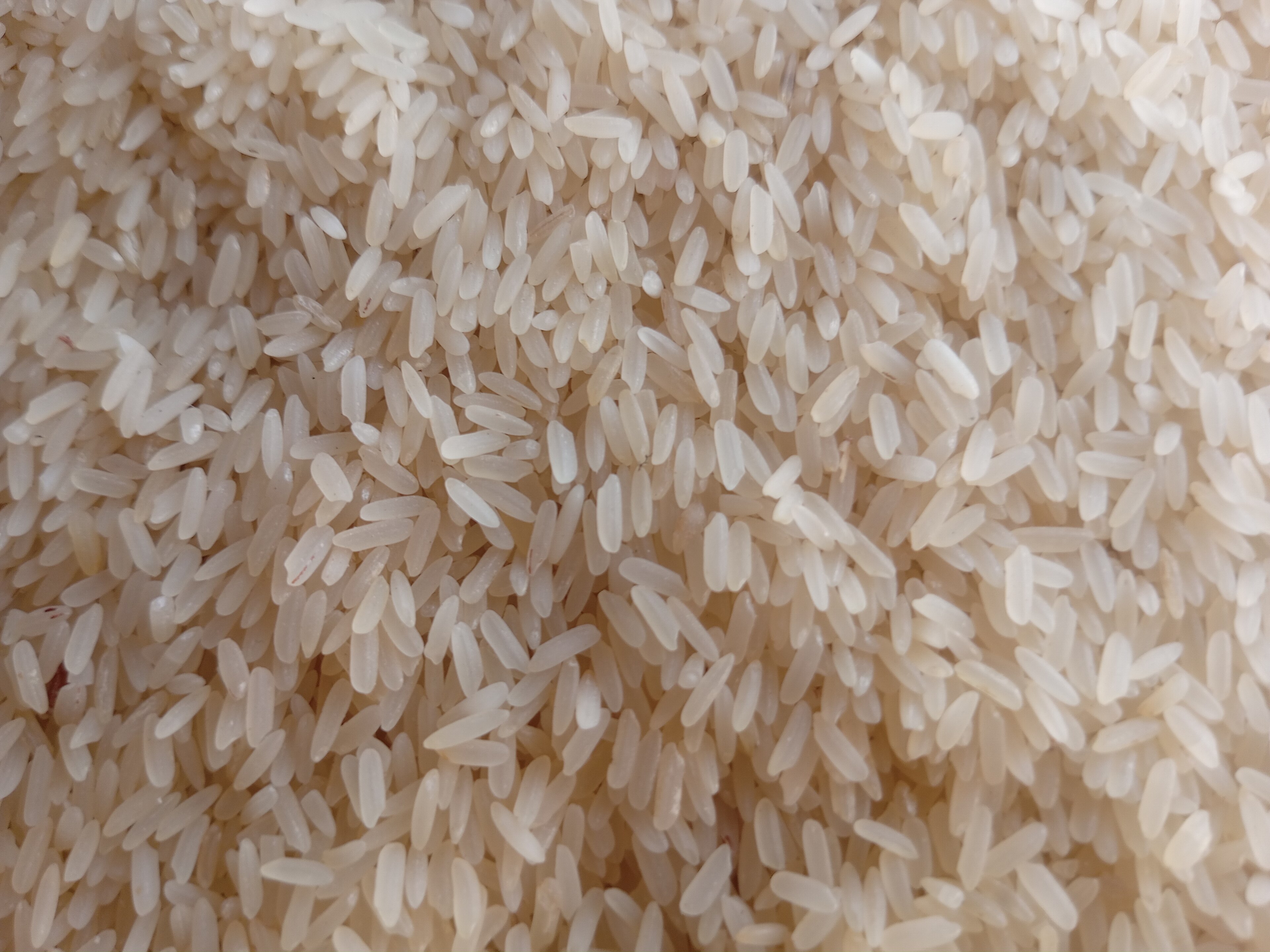
A 25kg bag of Imported Rice (Long Grain) posted one of the steepest mean price declines in this week's Ministry of Agriculture and Food Systems market survey, falling 3.8% from ₦29,688 to ₦28,562 in Lagos.
This Week's Mean Price
The mean was calculated across eight Lagos markets. The cheapest bag was recorded at ₦26,500 in Agbalata Market, while the priciest reached ₦30,000 in Mushin Market.
What's Driving The Move
The clearest driver is a policy change that took effect three weeks before this survey week. Nigeria reduced its import duty on bulk rice above 5kg from 70% to 47.5%, and on broken rice from 70% to 30%, effective 1 July 2026. Milling Middle East and Africa reported the change in April and May 2026, citing fiscal policy documents seen by Platts, and traders quoted there expected importers to begin shipping directly into Nigerian ports rather than routing through Cotonou in Benin Republic. One Nigerian miller quoted in that coverage read the timing as a pre-election measure, and another warned that low prices were already squeezing local producers.
That cut arrived in a market already well supplied. Platts assessments reported by the same outlet in November 2025 found Nigerian rice prices down 32% on oversupply, with a Lagos-based trader describing a structural surplus that would take time to correct as India and Thailand pushed record harvests into the West African corridor following the lifting of export restrictions.
The currency worked in the same direction. The naira traded at ₦1,379.64 to the dollar at the official Nigerian Foreign Exchange Market on 20 July and ₦1,369.92 on 24 July, a modest firming across the survey window that lowers the naira cost of imported cargo at the margin.
The retail groundwork was laid earlier. Punch and BusinessDay both reported in October 2025 that rice prices had crashed across Lagos markets including Oyingbo, Arena in Oshodi, Festac Town and Mile 12, with a 50kg bag of local rice that had sold for around ₦85,000 in January 2025 falling to between ₦60,000 and ₦70,000, and both noted trader concern over squeezed margins. Those reports predate this survey by nine months, so they establish the trend rather than explain this particular week. What is current is the tariff, and this week's mean moved in the direction it would predict.
For live, continuously updated prices across all markets in this survey, visit https://foodprices.ng/real-time-prices.