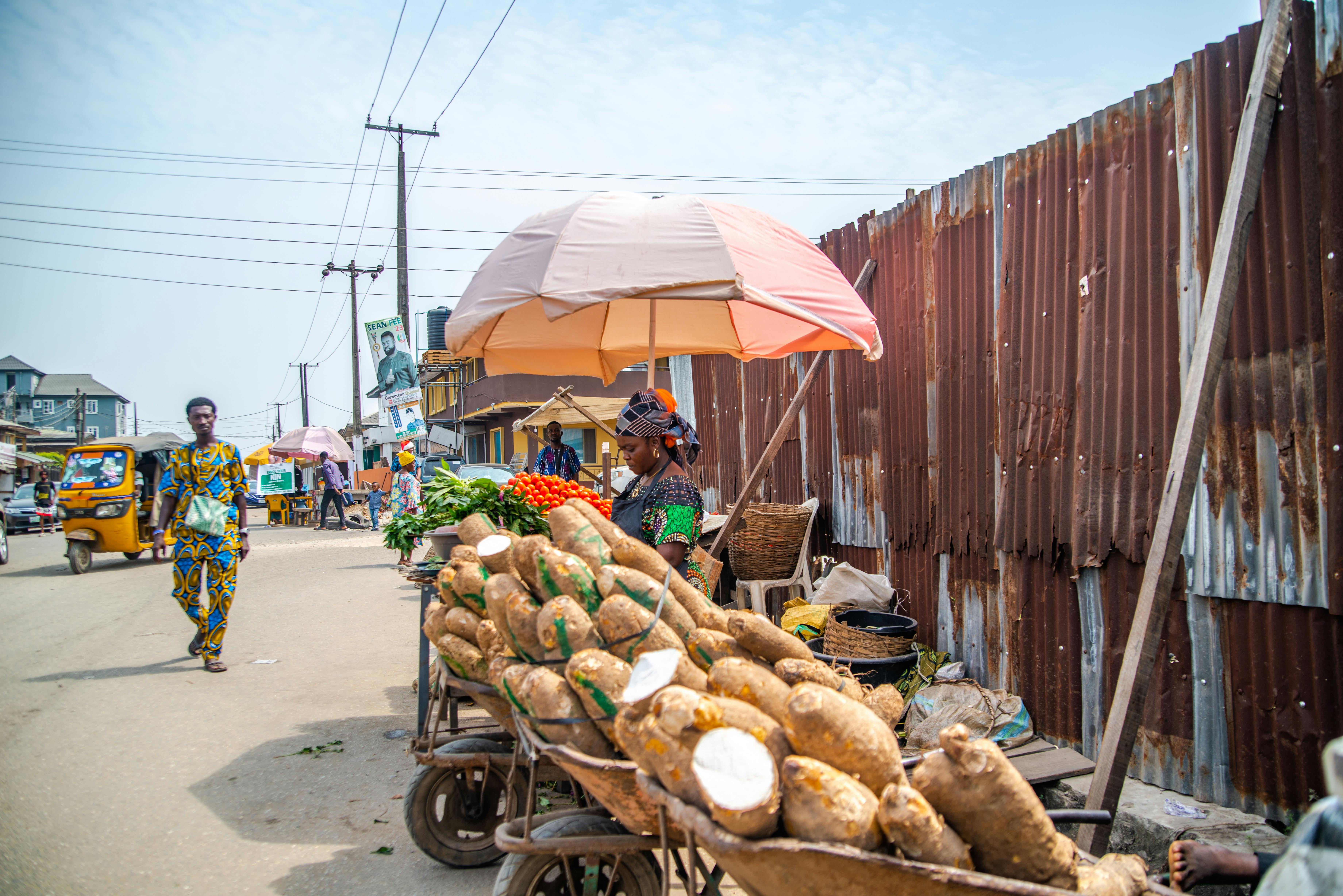
The International Institute of Tropical Agriculture (IITA) has called for comprehensive reforms to revitalise Nigeria's yam sector, warning that the country risks losing its position as the world's largest producer without urgent intervention. News Agency of Nigeria (February 21, 2026) reported that the institute is advocating improved seed systems, expanded mechanisation, and better post-harvest technology to reverse declining productivity trends.
Nigeria accounts for approximately 70 percent of global yam production, but the sector faces mounting challenges that threaten both output and competitiveness. Yam cultivation remains heavily labour-intensive, with most production carried out by smallholder farmers using traditional methods. The cost of seed yams — which can account for up to 50 percent of total production costs — is a major barrier to expansion, while post-harvest losses of 20 to 30 percent further erode farmer revenues.
IITA's call for reform focuses on three priority areas. First, the development and distribution of clean seed yam through aeroponic and vine cutting technologies that can dramatically reduce the cost of planting material. Second, targeted mechanisation for land preparation, planting, and harvesting — operations that currently require intensive manual labour and limit the scale at which individual farmers can operate. Third, improved storage and processing technologies that reduce post-harvest waste and enable farmers to sell at better prices rather than dumping produce immediately after harvest.
For consumers, yam remains one of the most important staples in southern and central Nigeria, consumed as pounded yam, amala, and in various other preparations. The price of yam has been among the most volatile in Nigerian food markets, with seasonal swings of 50 percent or more between harvest and lean season. According to The Guardian Nigeria, the CPPE has identified storage infrastructure deficits as a key driver of price instability across multiple commodities including yam — a problem that IITA's proposed reforms would directly address.
The institute's intervention comes at a moment when Nigeria's broader agricultural policy landscape is shifting. With $700 million in new financing from the World Bank and AfDB in the pipeline, there is an opportunity to channel some of these resources toward the yam value chain — a sector that has historically received far less policy attention and investment than rice, wheat, or maize despite its cultural and economic importance.
At FoodPrices, yam prices across Lagos markets remain among our most closely tracked indicators. If IITA's recommended reforms gain traction and translate into improved seed availability, reduced production costs, and lower post-harvest losses, the impact on retail yam prices could be significant — particularly during the lean season months when prices typically spike.