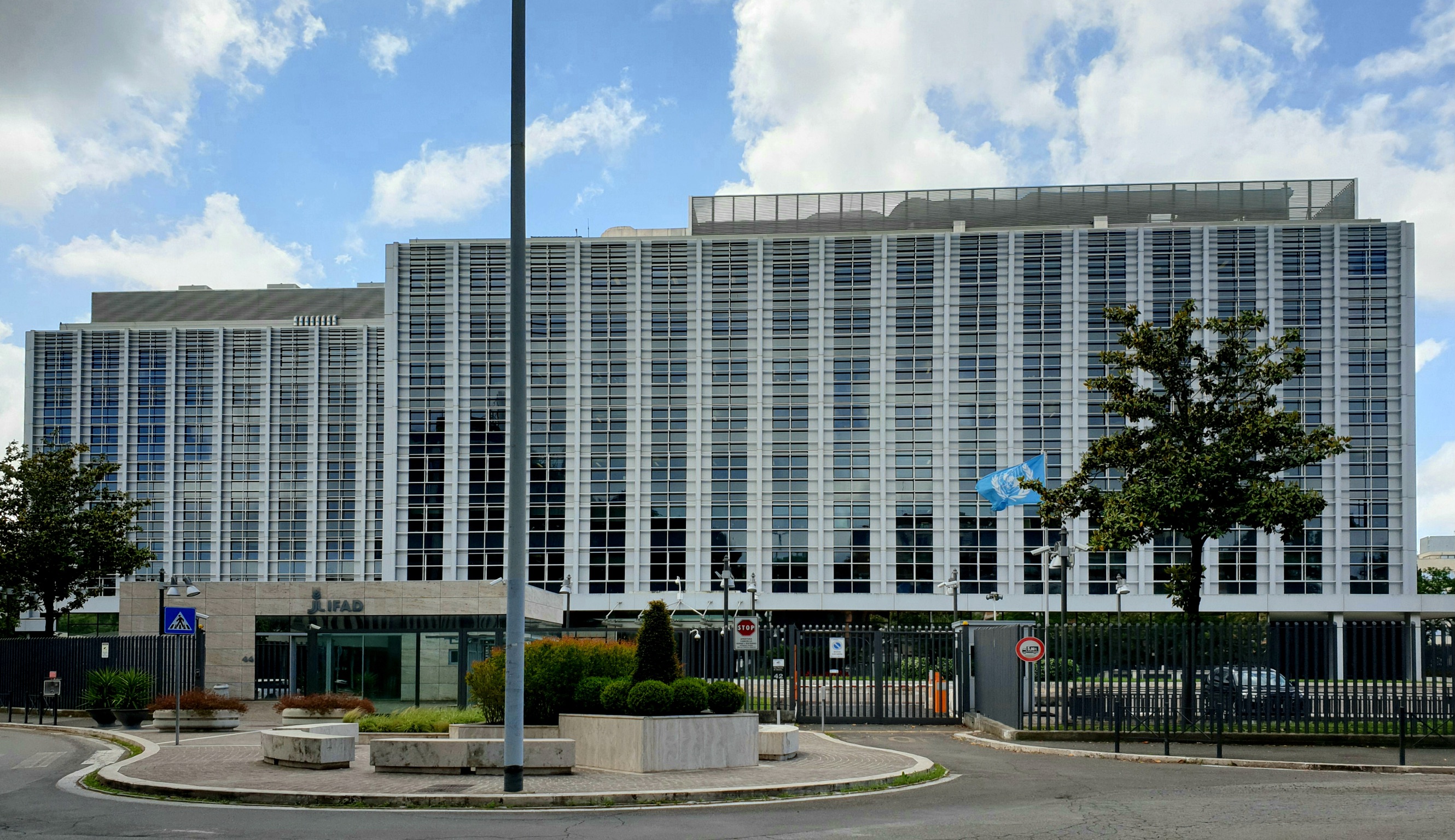
The International Fund for Agricultural Development has approved an additional $50 million for Nigeria's Special Agro-Industrial Processing Zones programme, bringing its total commitment to $100 million. The announcement was made at the SAPZ mid-term review in Abuja by the representative of the IFAD Country Director in Nigeria, Isaac Mensah, according to Tribune Online.
What the Programme Has Delivered
SAPZ interventions supported by IFAD have already reached more than 17,000 smallholder farmers in Kano and Ogun states, with over 14,000 farmers receiving climate information services to improve productivity and resilience, and more than 9,000 benefiting from productivity-enhancing inputs, Mensah said in the Tribune account. The programme has linked farmers with agro-industrial markets through a Multi-Stakeholder Agribusiness Forum.
A Clustered Model for Value Addition
The Federal Ministry of Agriculture and Food Security developed the five-year programme in partnership with the African Development Bank, IFAD, the Islamic Development Bank and state governments, covering seven states in the first phase, Kano, Imo, Kaduna, Cross River, Kwara, Oyo and Ogun, alongside the Federal Capital Territory, as the Tribune reported. The SAPZ Task Manager at the AfDB, Dr Orison Amu, described the initiative as a transformative effort to cluster agro-processing industries around areas of high agricultural potential, enabling production, aggregation, processing and distribution within a modern infrastructure ecosystem.
Progress and Delays
The programme was approved by the AfDB in December 2021 but only became effective in March 2023, with the first disbursement conditions met months later. As of March 31, 2026, the commitment rate stood at 41 per cent, representing $86 million, while disbursement reached 12 per cent, or $25 million, according to Leadership. The AfDB expects commitments to reach 70 per cent and disbursements 35 per cent by the end of 2026, and the programme is projected to create 500,000 jobs.
By concentrating processing near where crops are grown, SAPZ aims to cut post-harvest losses and reduce Nigeria's food import bill. FoodPrices Nigeria tracks verified prices across Lagos markets and will watch whether expanded processing capacity eases pressure on what households pay.
#Agriculture #Nigeria #IFAD #AgriBusiness #FoodSecurity #RuralDevelopment #AgriculturalDevelopment #FoodSystems #ValueChain #EconomicDevelopment