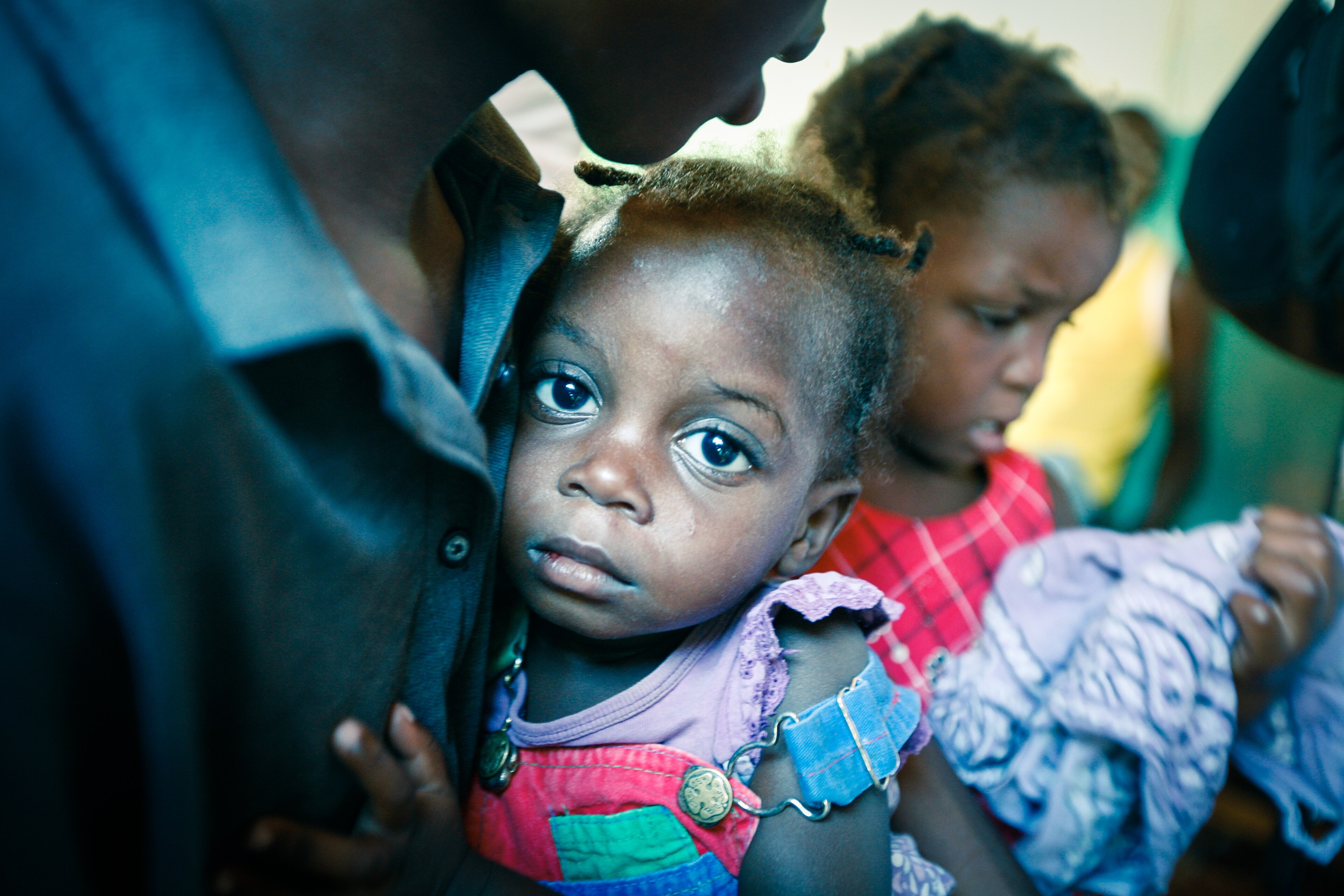
The money that keeps the world's hungriest people fed is running out just as the need reaches record levels. The World Food Programme estimates that 318 million people will face acute food insecurity in 2026, a level equivalent to crisis or worse and more than double the number in 2019, according to its Global Outlook report as covered by Al Jazeera. Around 41 million of those people are expected to be in the emergency phase or worse.
A Budget Half the Size of the Need
The agency puts its operational requirement for 2026 at $13 billion but current forecasts suggest it may receive only about half that amount, leaving it able to feed roughly 110 million people, Al Jazeera reported. The agency's Executive Director, Cindy McCain, said "Hunger is becoming more entrenched" as she pressed donors for support. The United States, long the largest contributor, has been the main driver of the shortfall.
Where the Cuts Land
The consequences are already visible. In Syria, severe funding shortages forced the agency to halve emergency food assistance and halt a nationwide bread subsidy that had supported more than 300 bakeries and helped subsidised bread reach up to four million people a day, according to UN News. Similar pressure has hit operations in Afghanistan, the Democratic Republic of Congo, Haiti, Somalia and South Sudan, where recipients receive reduced rations and food baskets missing staples such as pulses, cereals and vegetable oil, the World Food Programme said. Worldwide, around 45 million children under five face acute malnutrition, according to World Food Program USA.
When emergency food stops arriving, families fall back on local markets, and pressure on those markets shows up as price. FoodPrices Nigeria tracks verified retail prices across Lagos markets, where the cost of feeding a household is measured one basket at a time.