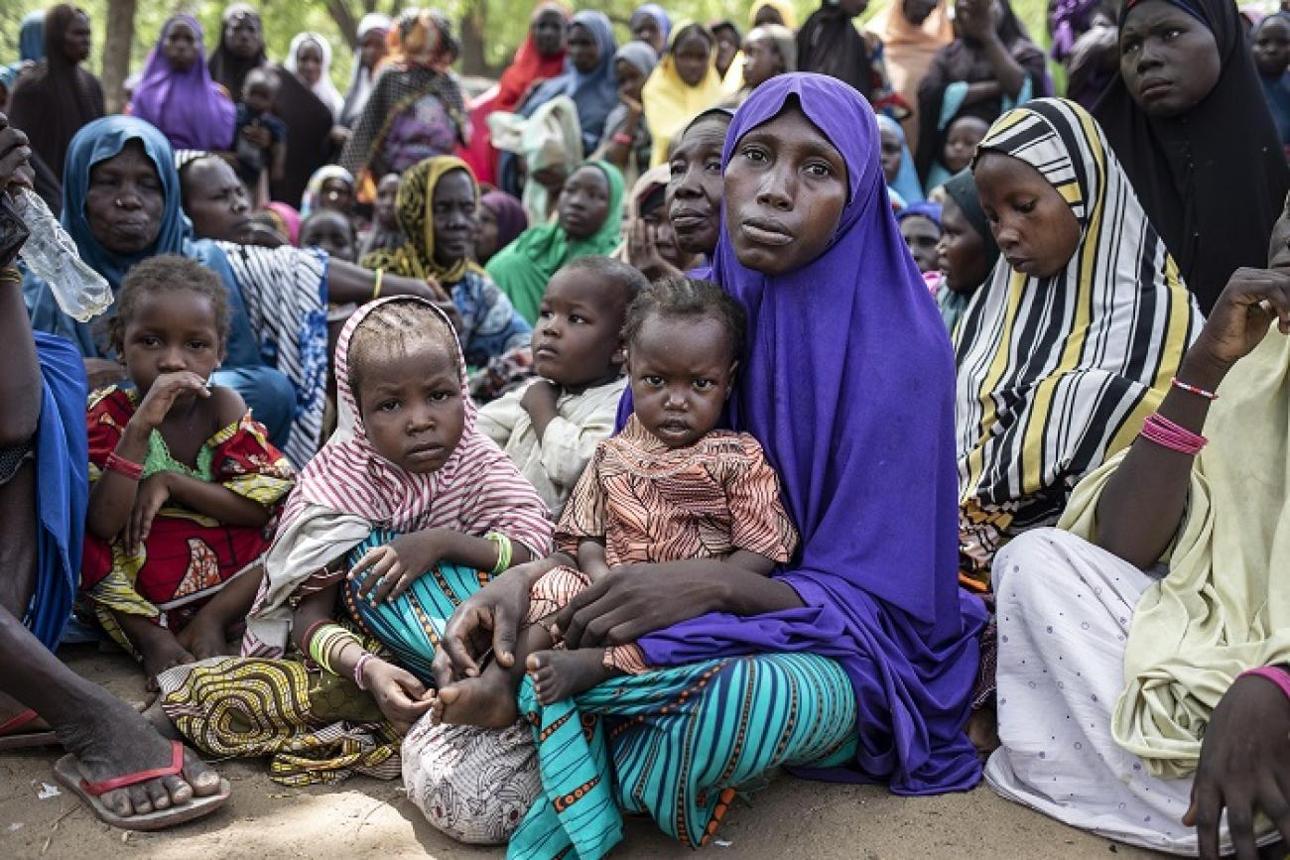
The approaching harvest was supposed to bring relief, yet the latest assessment finds that conflict and high food prices are keeping millions of northern Nigerians hungry. Emergency levels of acute food insecurity persist in the worst conflict-affected and inaccessible areas of the North East, where restricted movement stops households from reaching farmland and markets, according to the Famine Early Warning Systems Network. The agency named Abadam, Bama, Guzamala, Kukawa and Marte in Borno State as the districts where large food consumption gaps are expected to continue.
Crisis Conditions Set to Linger Into 2027
Beyond those pockets, Crisis-level outcomes persisted through August and are expected to continue across much of northern Nigeria through January 2027 as conflict disrupts livelihoods, markets and farming, the same outlook said. Suspected bandits and other armed groups have sustained attacks on farming communities in Benue, Borno, Kaduna, Katsina, Kwara, Niger, Plateau, Sokoto and Zamfara states, carrying out abductions, imposing levies and issuing outright cultivation bans that have suspended production of maize, yam, rice, cassava, potatoes and vegetables during the critical planting and harvest window.
A Picture That Predates the Season
The strain was already flagged months earlier. The Cadre Harmonisé analysis projected that 34.7 million people across 27 states and the Federal Capital Territory would be food insecure or worse between June and August 2026, driven by insecurity, displacement and climate shocks, according to The Guardian. Farmers have warned that violence is already reshaping what gets planted, with growers abandoning land after paying ransoms and levies, as Arab News reported. The United Nations Security Council has also listed Nigeria among the countries where conflict is driving food insecurity through cropland damage and blocked market access, according to a Security Council Report forecast.
Growth on Paper, Pressure at the Table
The disconnect between national figures and household reality is stark. Agriculture nearly doubled its growth rate in the second quarter of 2026, expanding 4.39 per cent and helping drive overall economic growth, yet analysts noted the gains had not reached households as food prices surged again, according to BusinessDay. Food inflation stood at 17.52 per cent year-on-year in June 2026, according to Premium Times, and ran highest in Kogi, Niger and Benue, according to Sahara Reporters.
When farms in the grain belt cannot be safely worked, the shortfall eventually reaches every market in the country. FoodPrices Nigeria tracks verified retail prices across Lagos markets, the ground-level measure of how northern insecurity feeds into what southern households pay.