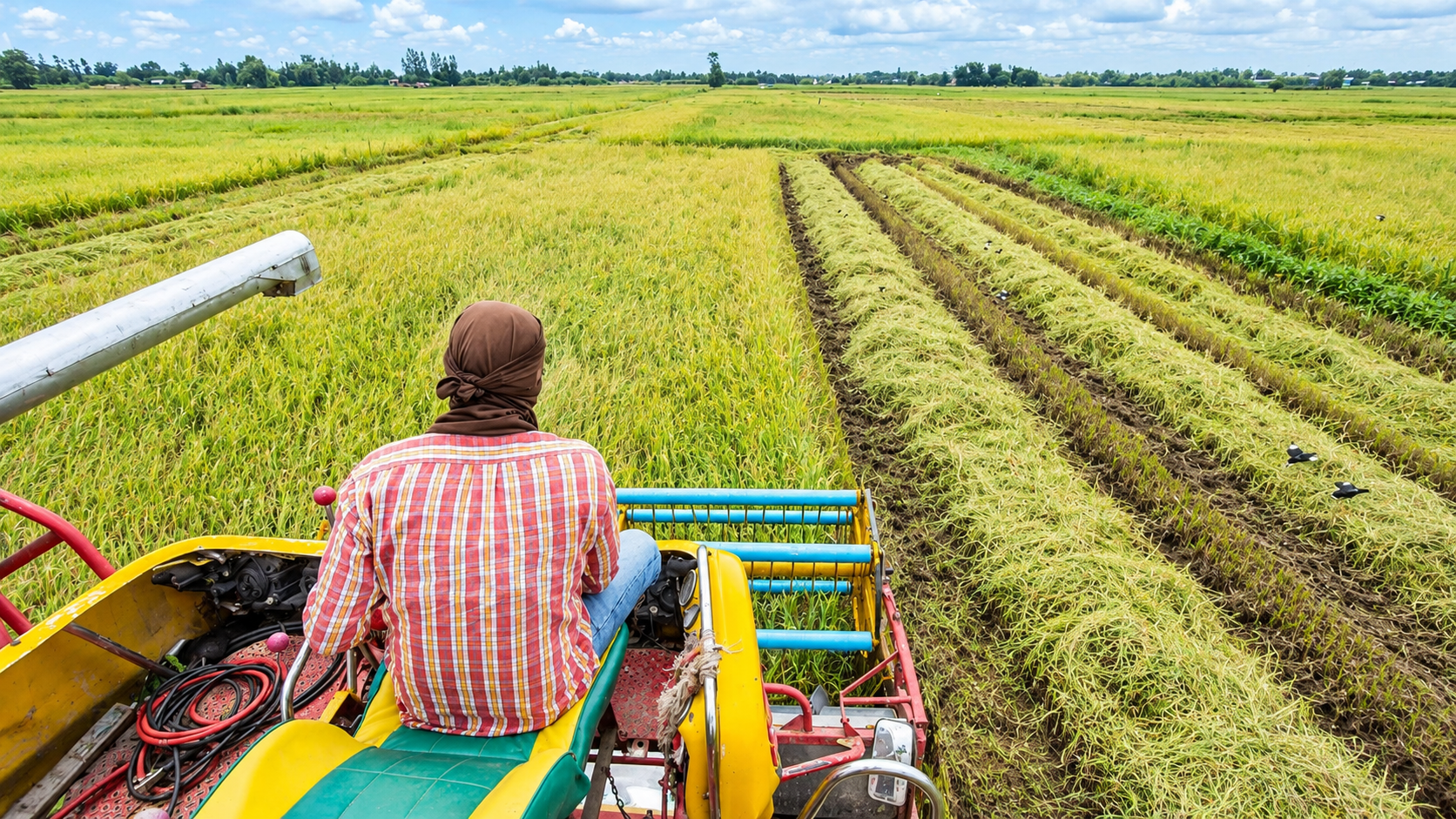
Growing a hectare of rice in Nigeria now costs between ₦2.2 million and ₦2.3 million, with fertiliser accounting for about 35% of that bill, according to a federal review of the rice value chain. The figures came from a technical consultation held on 23 September 2026 by the Presidential Food Systems Coordinating Unit, Nairametrics reported.
Where the Money Goes
At 35%, fertiliser alone costs a rice farmer between ₦770,000 and ₦805,000 per hectare. Participants also named high energy and irrigation costs, limited access to long-term finance at reasonable rates, post-harvest losses and too little storage as the main pressures on producers.
The cost of growing the crop feeds straight into what consumers pay. A survey cited in the review put a 50kg bag of rice at between ₦53,000 and ₦82,000 in May 2026, depending on location. At the top of that range, a bag cost 54.7% more than at the bottom.
What the Review Is For
Marion Moon, Executive Secretary of the Presidential Food Systems Coordinating Unit, said the consultation was aimed at "enabling timely policy decisions, protecting farmer and processor investment, improving consumer affordability" while strengthening the sector's competitiveness.
Mohammed Auwalu, Vice President of the Rice Farmers Association of Nigeria, welcomed "the government's continued engagement with stakeholders across the rice value chain."
What Farmers and Millers Asked For
Stakeholders called for more investment in irrigation, including solar-powered water systems, stronger financing for mills and processors, better storage infrastructure and more predictable trade and import policies, according to Nairametrics and Legit.ng. Legit.ng noted that Nigeria's rice consumption is projected at 8.6 million tonnes for 2025/26.
Irrigation is central to the cost question. Farmers who can water their fields year round can grow more than one crop a season, spreading fixed costs over a larger harvest. Those who depend on rain or diesel pumps carry higher costs on a single crop.
FoodPrices Nigeria tracks rice prices across Lagos markets and will follow whether the review leads to measures that lower the cost of growing the grain.