Nigeria's headline inflation rate slowed to 14.63% in September 2026 from 15.39% in August, as food prices fell on a monthly basis, the National Bureau of Statistics (NBS) said in its Consumer Price Index report released on October 15, 2026, Nairametrics reported. The rate was 20.98% in September 2025. Vanguard described the reading as the fourth consecutive monthly decline since June.
Food Prices Drop Month on Month
Food inflation stood at 19.59% year on year in September, down from 20.16% in September 2025. On a month-on-month basis, the food index recorded -1.55%, against 1.02% in August, Legit.ng reported. "The negative rate indicates that food prices, on average, fell during the month compared with August," Legit.ng wrote.
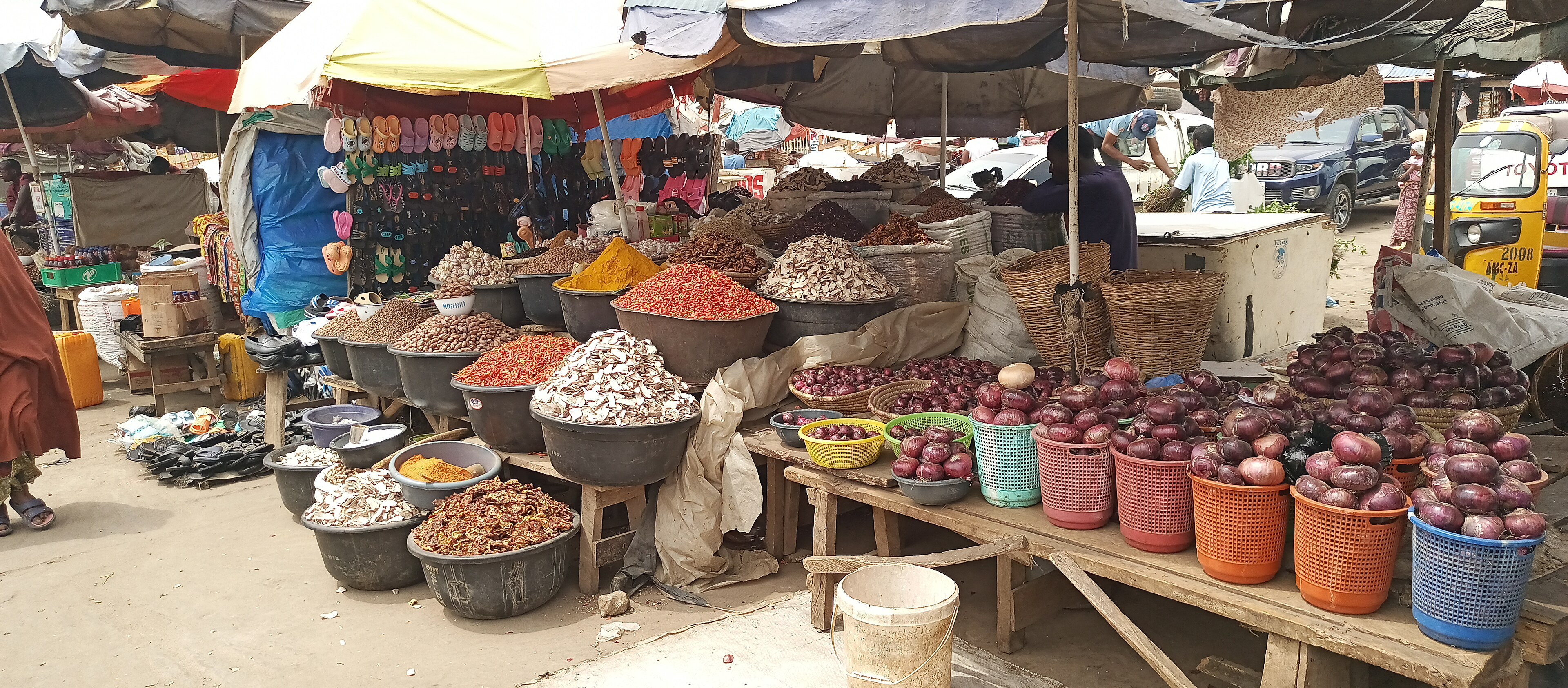
The NBS linked the decline to lower average prices of local rice, maize flour, guinea corn flour, eggs, onions, palm oil, potatoes, okra, tomatoes and plantain, according to Vanguard. Average annual food inflation for the 12 months to September 2026 was 15.72%, compared with 28.37% in the same period a year earlier.
Month-on-month headline inflation also slowed sharply, to 0.06% in September from 0.71% in August, Legit.ng reported.
Core Pressures Return
Core inflation, which strips out farm produce and energy, fell to 12.95% year on year from 22.11% in September 2025. On a monthly basis, however, it rose to 1.11% from -0.06% in August, Nairametrics reported. Vanguard said the headline decline was "driven by a moderation in food prices, even as core inflationary pressures strengthened during the month."
Urban inflation stood at 15.64% year on year and rural inflation at 12.46%. Rural prices fell 0.89% month on month while urban prices rose 0.53%, according to Nairametrics.
Lagos Tops State Food Inflation
The national slowdown masks wide gaps between states. Lagos recorded the highest year-on-year food inflation at 34.40%, followed by Imo at 33.79% and Ondo at 31.49%, while Taraba posted a negative rate of -7.47%, Vanguard reported. On headline inflation, Imo led at 30.04%, ahead of Enugu at 22.38% and Niger at 22.05%, with Taraba lowest at 1.78%.
Food inflation in Lagos is running at 1.8 times the national rate of 19.59%, even as average food prices nationwide fell in September. Across all items, the average annual rate of change in the Consumer Price Index for the 12 months to September 2026 was 15.80%, down from 27.31% a year earlier, Vanguard reported.
FoodPrices Nigeria tracks rice, tomatoes, palm oil, eggs and other staples named in the NBS report across Lagos markets, the state where official food inflation is now highest.
#FoodInflation #Inflation #NBS #Lagos #FoodPrices #Nigeria #Economy