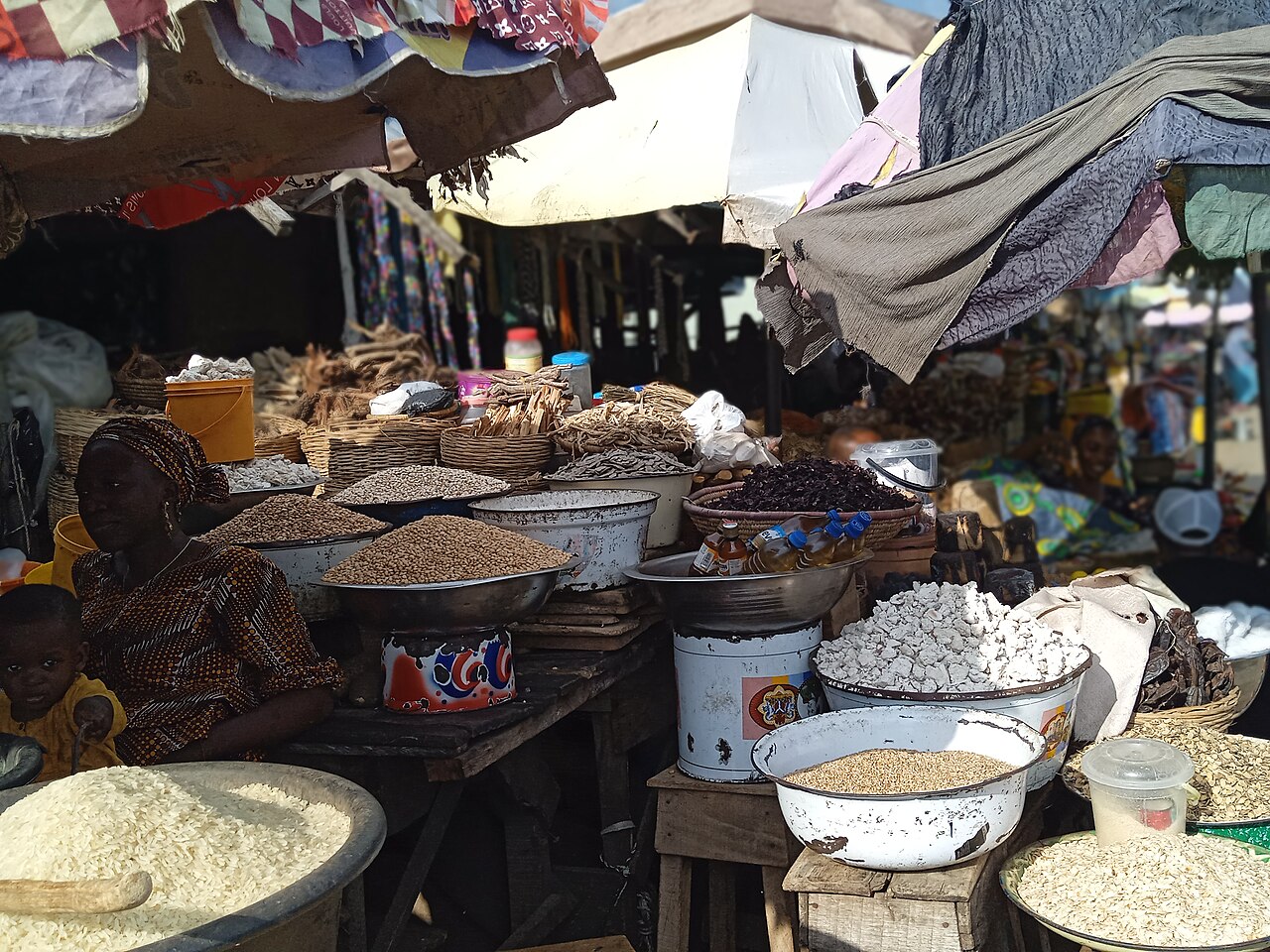
Food is taking a growing share of what Nigerian families earn. Households in Lagos and Ogun told WithinNigeria, in a report published on 19 September 2026, that their monthly food bills have risen by half or more in a year, forcing cuts elsewhere.
The Numbers Behind the Squeeze
Blessing, a Lagos worker who earns ₦120,000 a month, now spends between ₦45,000 and ₦55,000 on food. A year ago she managed on ₦30,000 to ₦35,000. Her food bill has risen by between 50% and 57.1%, and it now takes between 37.5% and 45.8% of her salary.
"About a year ago, I used to manage like N30,000 to N35,000 a month for food," she said. "I have had to reduce spending on clothes, outings, and other personal expenses."
Abdulwasiu, who earns ₦350,000 a month, said his food spending has gone from ₦80,000 to ₦130,000, a rise of 62.5%. Food now takes 37.1% of his income.
Rebecca, a trader in Ogun State, earns between ₦200,000 and ₦220,000 a month and spends between ₦90,000 and ₦110,000 of it on food, which is roughly 41% to 55% of what she makes.
Choosing by Price
The pressure is changing how people shop. "I used to buy yam, tomatoes, pepper, chicken and other things without thinking too much about the price. But they have become more expensive. Now, before I pick anything, I check the price and calculate what I can afford," said Halimah, a Lagos resident.
Another shopper, Damilola, put it simply: "It is not always about what I feel like eating anymore, but what will fit into my budget." Bukola, who has two children living with her, said saving has become much harder.
The Cost of Slow Roads
The report also points to haulage. Ifeanyi Onwuachu, Managing Director of Janksmay Global Services, said delays on the road add directly to food costs: "A journey that should take a predictable number of hours can take considerably longer. For perishable commodities, every additional hour matters."
The accounts are individual interviews, not a survey, so they show how the squeeze feels in particular homes without measuring the national average.
FoodPrices Nigeria publishes weekly prices from Lagos markets so that households can compare what they are charged with what others are paying.