Nigeria's headline inflation rate rose to 15.93 per cent in May 2026, the third consecutive monthly increase, up from 15.69 per cent in April but well below the 26.06 per cent recorded a year earlier, according to Punch citing the National Bureau of Statistics. Food prices remained one of the strongest drivers of the headline number.
A Slower Monthly Climb
Food inflation stood at 16.96 per cent year-on-year in May, down sharply from 24.55 per cent in the same month of 2025, while on a month-on-month basis it eased to 2.98 per cent from 3.63 per cent in April, the Punch report showed. Food and non-alcoholic beverages remained the largest single contributor to headline inflation, accounting for 6.38 percentage points of the annual rate.
Which Staples Moved
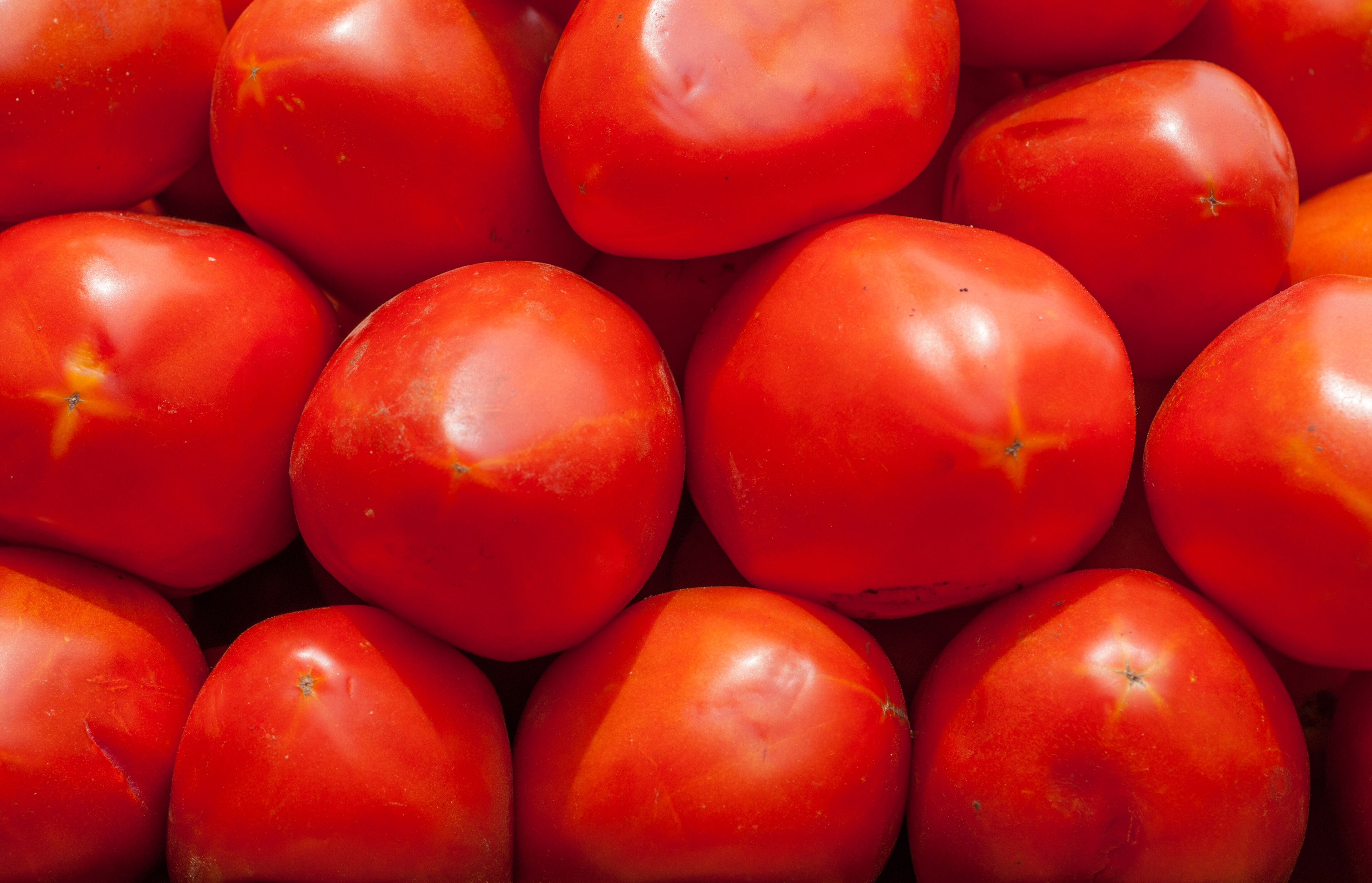
The NBS attributed the change in food prices to movements in onions, maize grains, melon, water yam, cassava flour, crayfish, fresh pepper, tomatoes, wheat grain, cassava tubers, yam tubers, sweet potatoes, ginger, plantain and cowpea, according to The Cable. The list captures the everyday basket that determines how far a household's money stretches at the market.
A Country of Wide Gaps
State-level figures showed sharp disparities. On a year-on-year basis, food inflation was highest in Adamawa at 29.62 per cent, Kwara at 28.47 per cent and Rivers at 28.40 per cent, while Borno recorded minus 6.53 per cent, Taraba 1.13 per cent and Bayelsa 5.99 per cent, as Arise News reported. The spread shows how location continues to shape what Nigerians pay for the same food.
National averages tell only part of the story. FoodPrices Nigeria tracks verified prices for staples like onions, tomatoes and yam across individual Lagos markets, the street-level detail behind the headline figures.
Note: This article reports official economic data. Where readers are facing personal financial hardship, FoodPrices Nigeria's market comparisons can help identify the cheapest markets for specific staples.