Nigeria's headline inflation rate rose to 15.69% in April 2026, up from 15.38% in March, according to the Consumer Price Index report from the National Bureau of Statistics. Beneath that headline figure sat a more pointed signal for households, with food inflation climbing faster than the broader economy.
Food Prices Now Leading the Index
Food inflation stood at 16.06% year-on-year in April, slightly above the 15.69% all-item rate, marking the first time since August 2025 that food inflation exceeded headline inflation. The reading represented the third consecutive monthly acceleration in food prices and reversed a seven-month stretch in which food inflation had stayed below the headline rate. The NBS attributed the increase to higher average prices for staples including millet, yam flour, fresh ginger, beef, garri, beans, tomatoes, wheat grain, soybeans, and plantain. Food and non-alcoholic beverages remained the single largest contributor to headline inflation, accounting for 6.40 percentage points of the total.
The Specific Staples in the Food Prices Watch
The NBS Selected Food Prices Watch for April 2026 put numbers to the trend. The average price of 1kg of tomatoes rose 6.60% month-on-month, from ₦1,104.85 in March to ₦1,177.92 in April, though it fell 8.23% from a year earlier. A kilogram of brown beans edged up 0.99% month-on-month to ₦1,338.93, while sitting 44.89% below its year-ago level. The data also showed sharp regional gaps, with the highest average tomato price recorded in Bayelsa at ₦1,600.73 and the lowest in Plateau at ₦730.48, and the priciest brown beans in Oyo at ₦1,938.91 against ₦750 in Taraba.
A Mixed Picture, Not a Clean Recovery
The annual comparison offers some relief. Food inflation of 16.06% was far below the 24.68% recorded in April 2025, and month-on-month food inflation eased to 3.63% from 4.17% in March, indicating that the pace of price increases is slowing even as prices keep rising. The NBS released the figures after rebasing the Consumer Price Index to a 2024 base year.
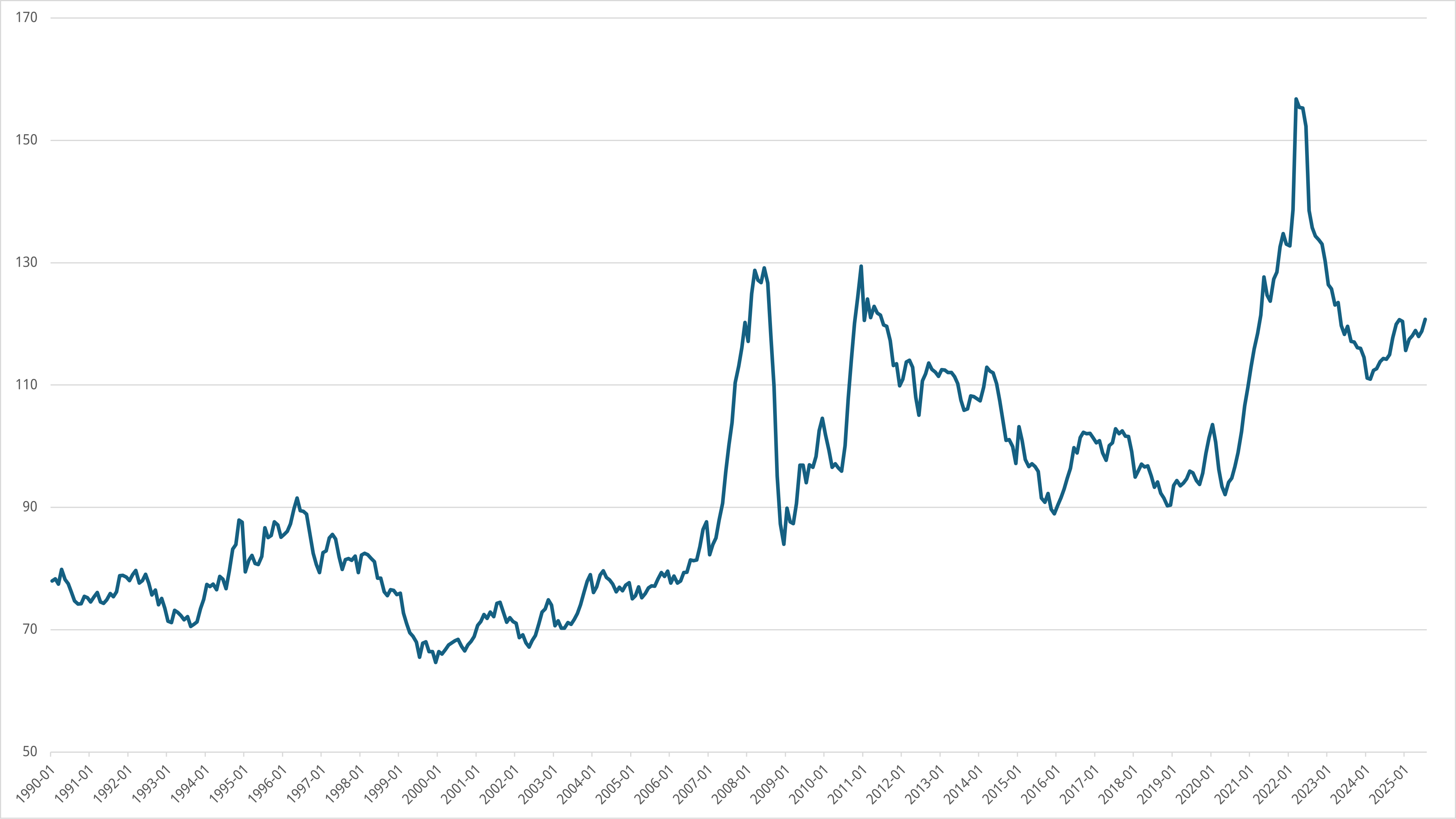
The renewed pressure is partly imported. The April reading came amid higher global commodity costs, with Brent crude rising to $120.4 per barrel from $103.7 in March on Middle East tensions, and the FAO Food Price Index posting its third straight monthly increase. International prices have since steadied, with the FAO Food Price Index averaging 130.8 points in May 2026, broadly stable on the revised April level.
FoodPrices Nigeria tracks verified retail prices across Lagos markets, providing the street-level detail that sits underneath national averages like these.