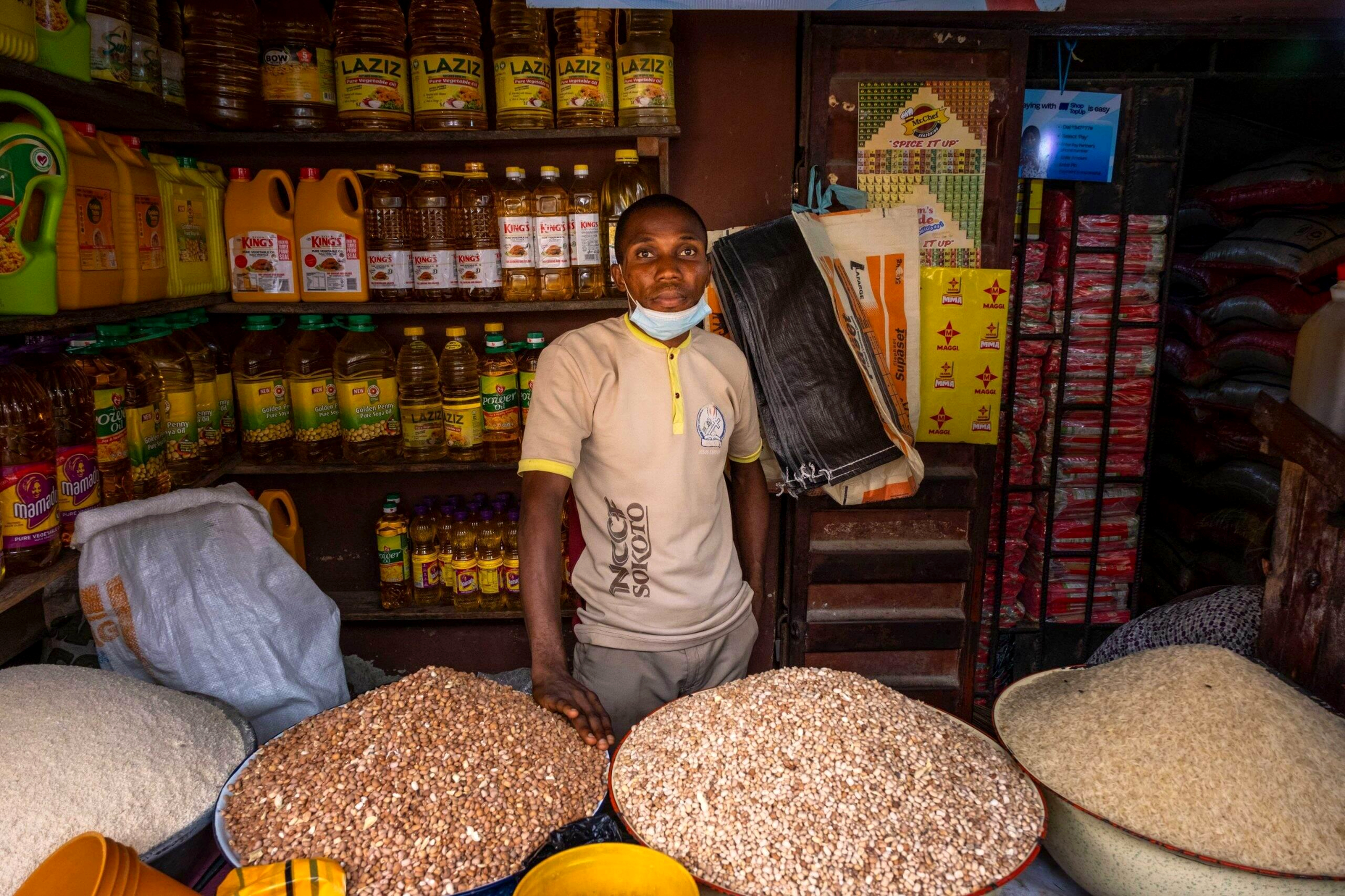
Nigeria's food prices are still climbing, but for the first time in six months they are climbing more slowly. Food inflation eased to 19.57 per cent year-on-year in August 2026, down from 20.31 per cent in July and well below the 25.30 per cent recorded in August 2025, according to Nairametrics, citing the latest Consumer Price Index report from the National Bureau of Statistics.
A Turn After a Long Climb
The drop interrupts a steady rise that ran through most of the year. Food inflation had climbed from 8.89 per cent in January to 12.12 per cent in February, 14.31 per cent in March, 16.06 per cent in April, 16.96 per cent in May, 17.52 per cent in June and 20.31 per cent in July before easing in August, Nairametrics reported. The clearer signal is in the monthly figure, which fell to 1.02 per cent in August from 5.56 per cent in July, a drop of more than four percentage points, according to TVC News. Headline inflation also edged down to 15.39 per cent from 15.43 per cent in July, according to Legit.ng.
What Got Cheaper, Relatively
The bureau tied the slower pace to price movements across a broad basket of everyday items, including palm oil, carrots, pepper, onions, cassava flour, beef, yam flour, water yam, melon, fresh ginger, fresh fish, Irish potatoes, wheat grain, frozen chicken and turkey meat, according to allAfrica. Food and non-alcoholic beverages still did the heavy lifting in the overall rate, contributing 6.16 percentage points to annual headline inflation, the same report noted, a reminder that food remains the single biggest driver of the cost of living.
A Country of Uneven Prices
The national average hides sharp regional gaps. At the state level, Adamawa recorded the highest year-on-year food inflation in August at 38.85 per cent, followed by Zamfara at 37.96 per cent and Bayelsa at 36.20 per cent, according to The Telegraph Nigeria. Some states recorded negative food inflation while others sat well above the national average, according to Legit.ng. The average annual food inflation rate for the 12 months to August stood at 15.70 per cent, according to TVC News, and analysts say the September report will show whether August was a genuine turn or a one-month pause, according to Nigeria Stories.
A slowing national average is cold comfort if the market down your street tells a different story. FoodPrices Nigeria tracks verified retail prices across Lagos markets, the granular check on whether this easing is reaching the households that feel every naira.