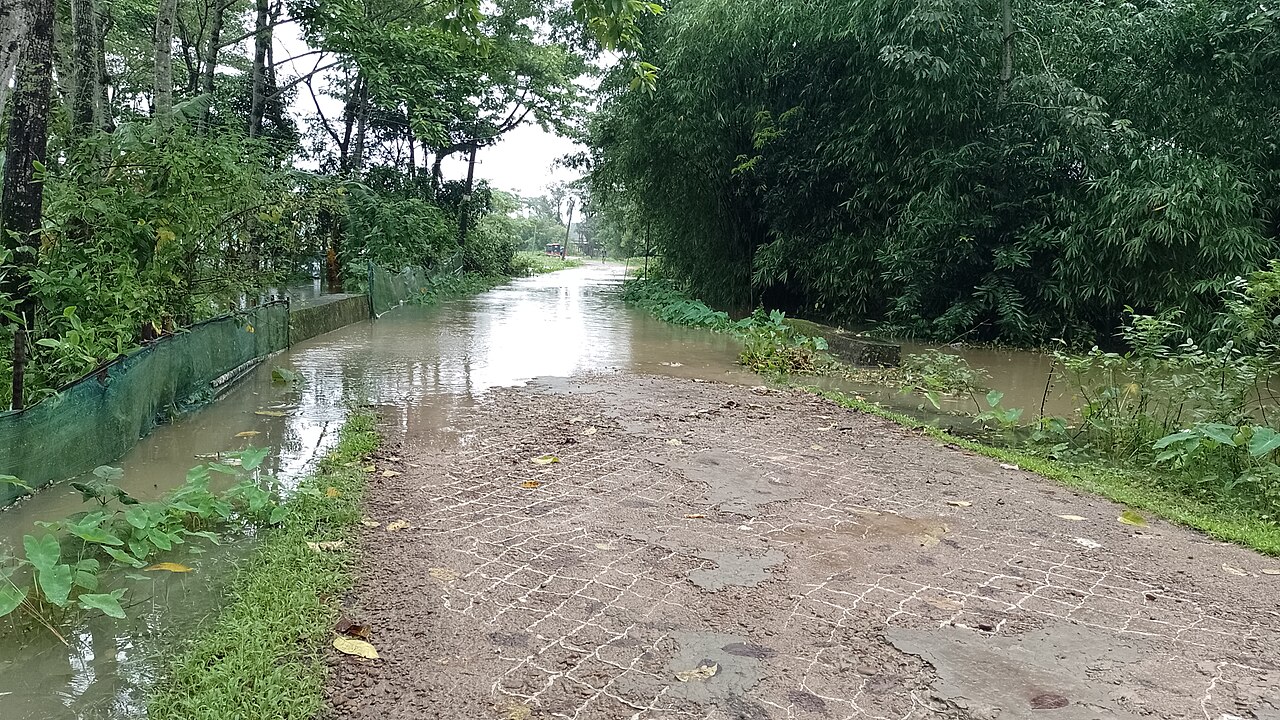
Flooding in Enugu State has washed away farms and homes across four communities in Aninri Local Government Area. Sahara Reporters reported on 23 September 2026 that 14 villages had been submerged, eight in Okpanku and six in Mpu, and that two children aged seven and eight from the same family drowned in Obiagu Okomigbo, Mpu.
Farms and a Market Under Water
The flood destroyed farm produce including yam, cassava, vegetables and rice, with hectares of farmland left under water. According to the West African Pilot, the flooding began on 20 September and worsened through the week, spreading to Ndiabor and Oduma. Rice, yam and cassava farms were washed away, and goods worth millions of naira were submerged at Afor Okpanku Market. People&Politics reported that rice mills in the area also went under.
More than 10 buildings collapsed. Displaced residents took refuge at Amachalla Town School.
"I Have Never Witnessed This"
Residents described the flood as unprecedented. Obinna Ogbuke, a Nigeria Union of Journalists chairman from Mpu, told Sahara Reporters: "Over 10 buildings have collapsed because the flooding has lasted for almost 48 hours now." George Ahaefuna, a youth leader in Okpanku, told the West African Pilot: "Since I was born, I have never seen this kind of flood in my life."
Local officials blame an unfinished dam. Edwin Ogbuka, councillor for Mpu Ward, said: "Flooding occurs twice yearly in some parts of the area due to the uncompleted Ivo Dam project."
Relief and Assessment
Aninri LGA Chairman Prince Ugochukwu Nwanjoku visited the affected communities and began a damage assessment. Sahara Reporters said officials of the National Emergency Management Agency and the State Emergency Management Agency visited but could not cross flooded sections, and that Senator Osita Ngwu had opened discussions with the Federal Ministry of Water Resources. Community leaders have appealed to the federal and state governments for relief materials and reconstruction support.
Why It Matters Beyond Enugu
Aninri is a rice and tuber area. Losing standing crops weeks before harvest removes supply that would have reached markets in the South-East and beyond, and the loss of rice mills cuts local processing capacity for the crop that does survive.
FoodPrices Nigeria tracks food prices across Lagos markets, which draw on farms across the country, including rice and tuber-producing areas like Aninri.
#FoodPrices, #Lagos, #Nigeria, #Flooding, #Enugu, #Farming, #FoodSupply