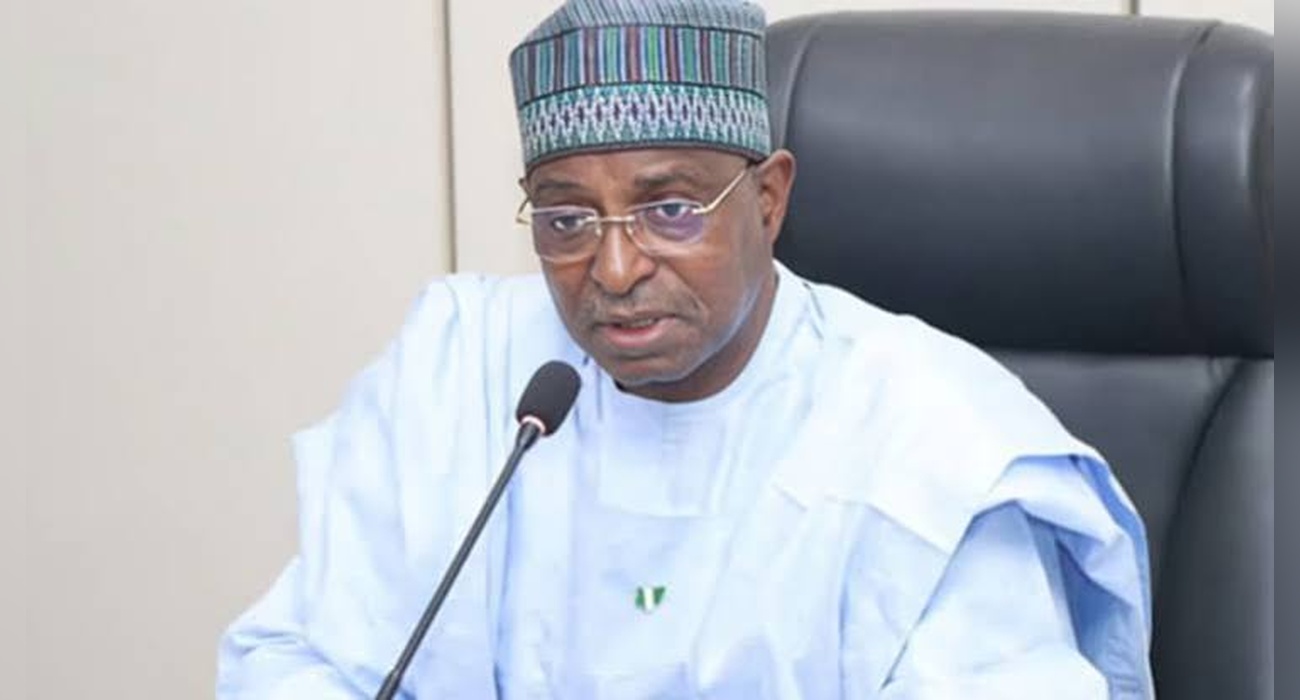
The federal government is seeking private investment in livestock processing, leather manufacturing and fodder production to strengthen local industry and grow non-oil exports, the Minister of Livestock Development, Idi Maiha, said in Abuja, the News Agency of Nigeria (NAN) reported on October 15, 2026.
Maiha spoke at the AGROMEQA Expo 2026, the maiden edition of an exhibition organised by the Abuja Chamber of Commerce and Industry's Agricultural Trade Group with JMT Plus Farms and Agro-Allied. Organisers plan to hold it every year.
Livestock's Size and Targets
"Livestock contributes an estimated US$32 billion to Nigeria's economy," Maiha said, according to Voice of Nigeria. He said the government is targeting $74 billion in livestock sector value, and that the Nigerian Association of Chambers of Commerce, Industry, Mines and Agriculture (NACCIMA) has proposed a 10-year livestock investment initiative worth $50 billion.
The minister listed dairy production, red meat processing, leather manufacturing and commercial fodder production as priorities. He made domestic dairy a priority to cut reliance on imports, and called for modern meat processing and refrigerated transport.
"Livestock investment can improve food security, conserve foreign exchange, expand non-oil exports," Maiha said, NAN reported. He said an abattoir processing about 500 cattle a day could support an estimated 10,000 direct jobs, depending on how it is run. He pointed to Uganda, Kenya and Tanzania as countries that have made gains in dairy and red meat through investment and organisation.
Leather Beyond Raw Hides
Maiha urged investors to move beyond semi-processed leather into finished goods such as footwear, bags and upholstery, according to NAN. The report said an earlier assessment put the leather industry's potential value at more than $1 billion, and that Nigeria already supplies leather to European and Asian markets.
Exports, Storage and Machinery
NACCIMA President Dr Jani Ibrahim said Nigeria's non-oil exports reached a record $6.1 billion in 2025, up from $5.46 billion in 2024, citing the Nigerian Export Promotion Council, NAN reported. Cocoa beans earned about $1.99 billion, cashew nuts $456.9 million and sesame seeds $300.3 million. He called for investment in drying facilities, cold rooms, warehouses and food processing plants to cut post-harvest losses.
"Nigeria must increase the proportion of agricultural produce processed locally, meet international quality standards," Ibrahim said, according to Voice of Nigeria.
Ewaen Imohe, Executive Director of Operations at the Nigeria Incentive-Based Risk Sharing System for Agricultural Lending (NIRSAL), said Nigeria has fewer than one tractor per 1,000 hectares of arable land, NAN reported. He said NIRSAL's Land Bank Initiative has mapped more than 100,000 hectares for commercial agricultural production, and that farmer cooperatives would improve access to mechanisation, irrigation and financing.
FoodPrices Nigeria tracks eggs and other protein prices across Lagos markets. Investment in processing, cold chains and refrigerated transport would affect how much animal protein reaches Lagos and at what cost.
#Livestock #Dairy #Leather #Investment #AGROMEQA #NIRSAL #Agriculture #Nigeria #FoodPrices