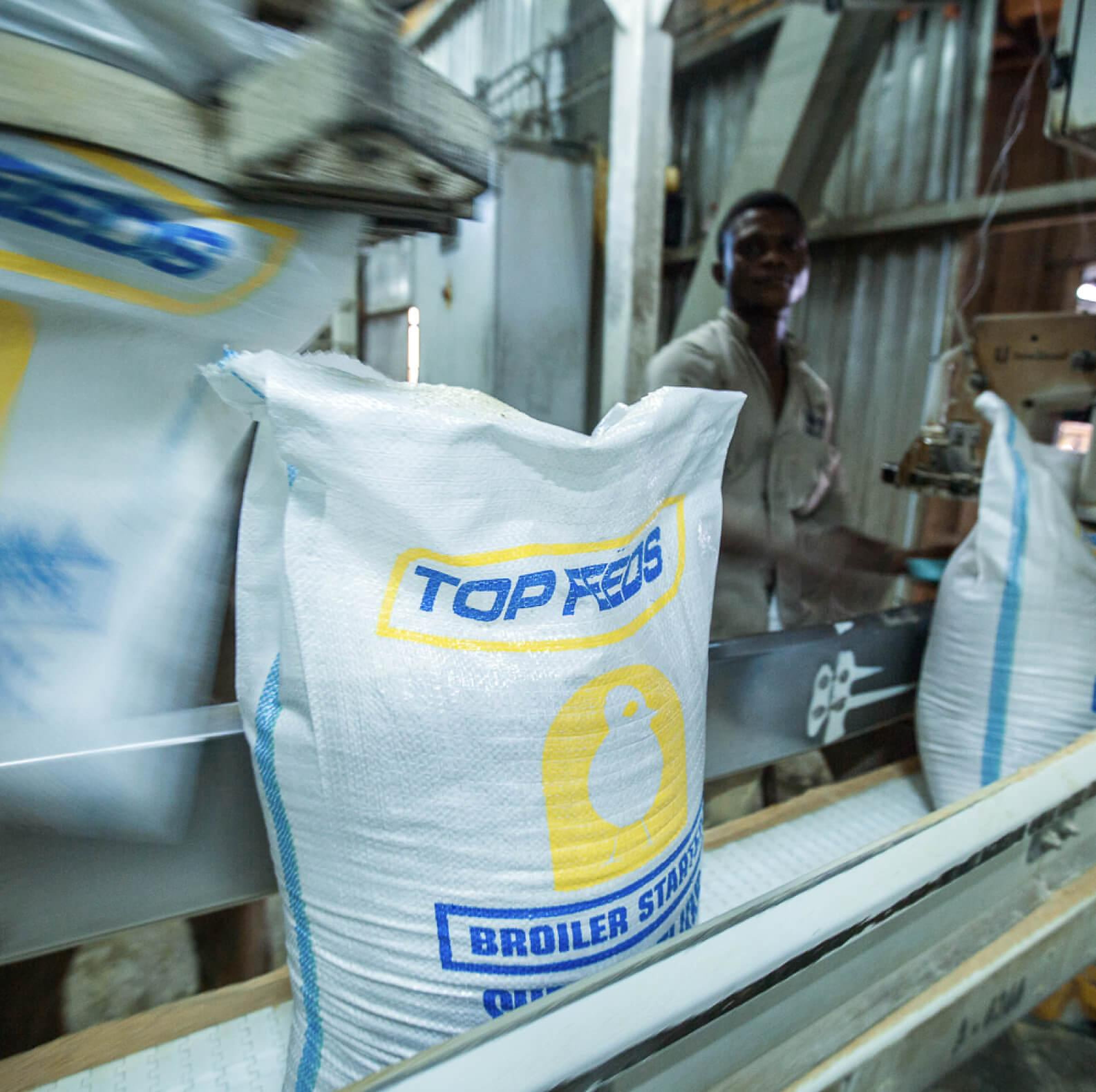
Poultry farmers and livestock keepers in Kebbi, Sokoto and Zamfara states have abandoned their businesses as feed prices keep rising, a News Agency of Nigeria survey found, P.M. News reported on November 14, 2026. The survey linked the increases partly to insecurity, which has stopped many rural farmers from cultivating their land.
Maize and Soya Drive Costs
Dr Abubakar Umar-Bunza, who heads the Zonal Veterinary Clinic in Birnin Kebbi, said maize makes up about 55% of poultry feed. A 100kg bag of maize reached almost ₦70,000 at its peak, and the same quantity of soya beans cost more than ₦90,000. "If the major ingredients are expensive, the price of feed must also be high," he said, according to the report.
Transport has added to the burden. Moving 1,200 bags of feed from Kano now costs ₦1.2 million to ₦1.5 million, up from about ₦300,000, an increase of 300% to 400%. A day-old broiler chick costs about ₦2,000, and raising 50 birds takes six to seven bags of feed. Umar-Bunza, who consults for more than five poultry farms, said some have shut down, and that farmers selling broilers at ₦8,000 to ₦9,000 struggle to recover their investment.
Zamfara Feed Up as Much as 155.6%
In Zamfara, Alhaji Zayyanu Ahmad, chairman of the state chapter of the Poultry Association of Nigeria, said a bag of feed that sold for ₦9,000 last year now costs ₦20,000 to ₦23,000, an increase of 122.2% to 155.6%. Mallam Ibrahim Usman put a tonne of maize at ₦910,000 and a metric tonne of soya beans at ₦714,000.
"Feed accounts for about 75 per cent of poultry production costs," Usman said, P.M. News reported. He added: "Zamfara farmers buy feed at a high price but are forced to sell eggs and broilers below profitable levels." Eggs sold for about ₦6,200 a crate in some markets, and broilers for ₦8,000 to ₦12,000. Starter feed sold for about ₦22,500, finisher feed for ₦22,000 and layer feed for about ₦16,000.
Sokoto Plans Feed Subsidy
In Sokoto, Alhaji Bello Wamakko, Commissioner for Animal Health and Fishery Development, said the state has provided for more funding of subsidised animal feed in its 2027 budget. Safiyanu Musa, a small-scale livestock keeper, said he sold about 15 goats because he could no longer afford to feed them. Malam Nasir Mojo, who switched from cattle to goats, said: "We find it difficult to access loans with affordable interest rates."
The Zamfara maize price is far above the level recorded late last year. An AFEX survey reported by Daily Trust found domestic maize prices had fallen to about ₦348,000 per tonne in December 2025.
FoodPrices Nigeria tracks egg prices by the crate across Lagos markets. Feed costs that farmers say now make up as much as 75% of poultry production costs feed directly into what Lagos households pay for eggs and chicken.
Editor Notes (do not publish): This story rests on one NAN survey, carried by P.M. News. I could not find NAN's original page or a second outlet with the same figures; if NAN's own link turns up, swap it in. Percentages are my calculations from the reported figures: ₦9,000 to ₦20,000 is 122.2%, to ₦23,000 is 155.6%; ₦300,000 to ₦1.2 million is 300%, to ₦1.5 million is 400%. The maize comparison in the second-last paragraph sets a December 2025 national average beside a current Zamfara price; editors may prefer to drop it. Quotes were read through a page summary tool, so check them word for word.