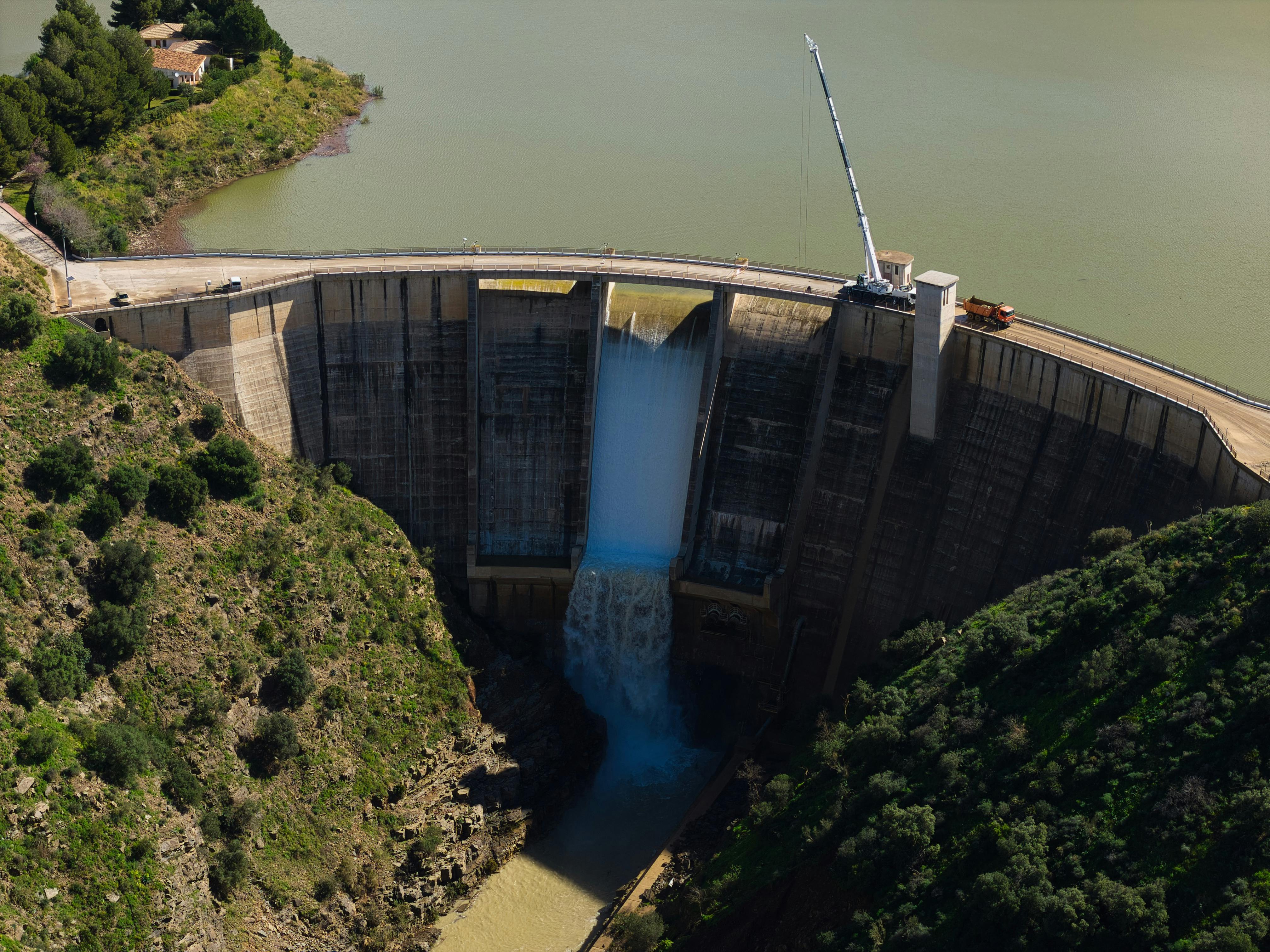
The Federal Government has launched a series of water, irrigation, and flood control projects across Kano and Jigawa states in a move aimed at expanding year-round agricultural production in northern Nigeria. The Nation and Independent Nigeria (February 21, 2026) reported that the projects include the Bela Dam and the Kaukau Drip Irrigation system — infrastructure investments designed to reduce the agricultural sector's dependence on increasingly unpredictable rainfall patterns.
The projects address one of the most fundamental constraints on Nigerian agriculture: water. Despite possessing significant arable land and a large farming population, Nigeria irrigates less than one percent of its cultivable land — among the lowest rates in Africa. The result is that food production remains overwhelmingly dependent on a single rainy season, creating annual cycles of harvest-time gluts followed by lean-season scarcity that drive the price volatility consumers experience at markets across the country.
Drip irrigation technology, which the Kaukau project employs, delivers water directly to plant roots with minimal waste — a critical efficiency advantage in the semi-arid conditions of northern Nigeria where water scarcity is intensifying due to climate change. When deployed at scale, drip systems can increase crop yields by 20 to 90 percent compared to rain-fed agriculture while using 30 to 70 percent less water than conventional irrigation.
The Bela Dam will serve dual purposes: flood control during the rainy season and water storage for dry-season farming. Northern Nigeria has suffered devastating floods in recent years that destroyed crops, displaced farming communities, and disrupted food supply chains. Infrastructure that can manage excess water during peak rainfall while storing it for agricultural use during dry months represents exactly the kind of investment the sector has long needed.
For Kano — which serves as the commercial hub for food commodity trading across the entire northern region — expanded irrigation capacity could help stabilise food supply throughout the year, reducing the seasonal price spikes that consumers currently face between harvests. Combined with the $200 million AfDB loan and the incoming $500 million World Bank AGROW facility, these infrastructure investments suggest a coordinated push to transform agricultural productivity in Nigeria's food-producing heartland.
The challenge, as with many large infrastructure projects in Nigeria, will be execution. Previous dam and irrigation projects have suffered from cost overruns, construction delays, and maintenance failures that rendered completed infrastructure unusable within years. Whether these new projects deliver their intended impact will depend on construction quality, community engagement, and sustained maintenance investment long after the commissioning ceremonies are over.