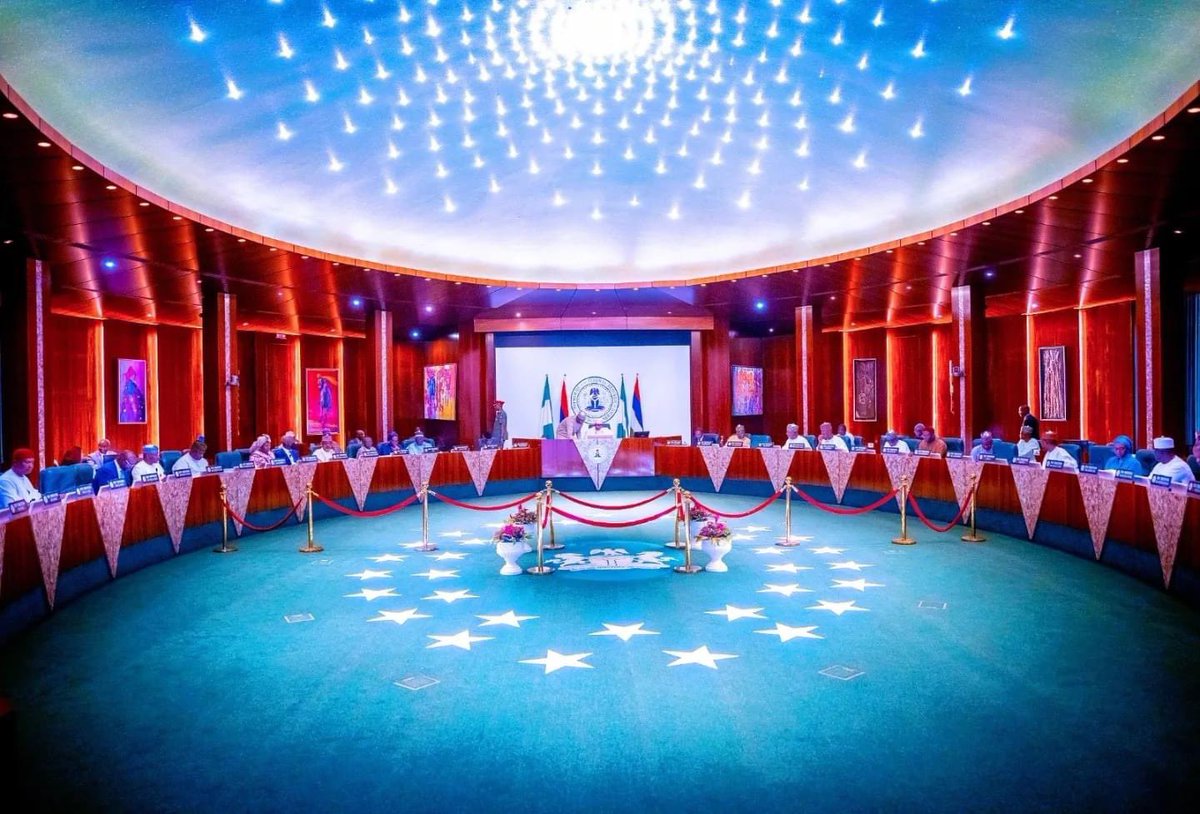
The Federal Executive Council has approved roughly $900 million in financing for agriculture, a package aimed at building the processing and training backbone the sector has long lacked. The Minister of Finance and Coordinating Minister of the Economy, Taiwo Oyedele, announced the approval after the Council meeting presided over by President Bola Tinubu, according to TheCable.
Where the Money Goes
The financing arrangements will support rural technical and vocational training, Special Agro-Industrial Processing Zones and agricultural value-chain projects, TheCable reported. Oyedele said the funding is expected to improve agricultural productivity, strengthen food security and support rural economic development, according to Premium Times. The agriculture approval sits inside a broader set of decisions the minister grouped under five strategic headings, with the Council considering 14 memoranda in total, as Nairametrics noted.
A Wider Spending Push
The farm financing came alongside heavy commitments elsewhere. The Council approved ₦215 billion to expand the Presidential Compressed Natural Gas transport programme, two Development Bank of Nigeria facilities worth €200 million and $500 million to widen credit for small businesses, and a $160 million Islamic Development Bank facility for a Niger State solar project, according to Premium Times and Leadership. The agriculture tranche is meant to strengthen processing capacity and value addition rather than just raw output, according to MSME Africa.
Why Processing Matters
The bet on value chains lands against a stark backdrop. Africa spent a record $122.9 billion on agricultural imports in 2022 even though the continent holds close to two-thirds of the world's uncultivated arable land, according to The Guardian. At home, the National Bureau of Statistics put food inflation at 17.52 per cent year-on-year in June 2026, according to Premium Times, a reminder that raw production alone has not tamed prices. Money directed at agro-processing zones, storage and training is designed to keep more value inside the country and cut the losses that push food costs up.
Approvals are only the first step, and the test will be whether the funds reach processors and farmers on the ground. FoodPrices Nigeria tracks verified retail prices across Lagos markets, the practical measure of whether this spending eventually eases the cost of feeding a household.
#Agriculture, #Financing, #FEC, #SAPZ, #ValueChains, #FoodSecurity, #Nigeria, #Lagos, #FoodPrices, #Investment