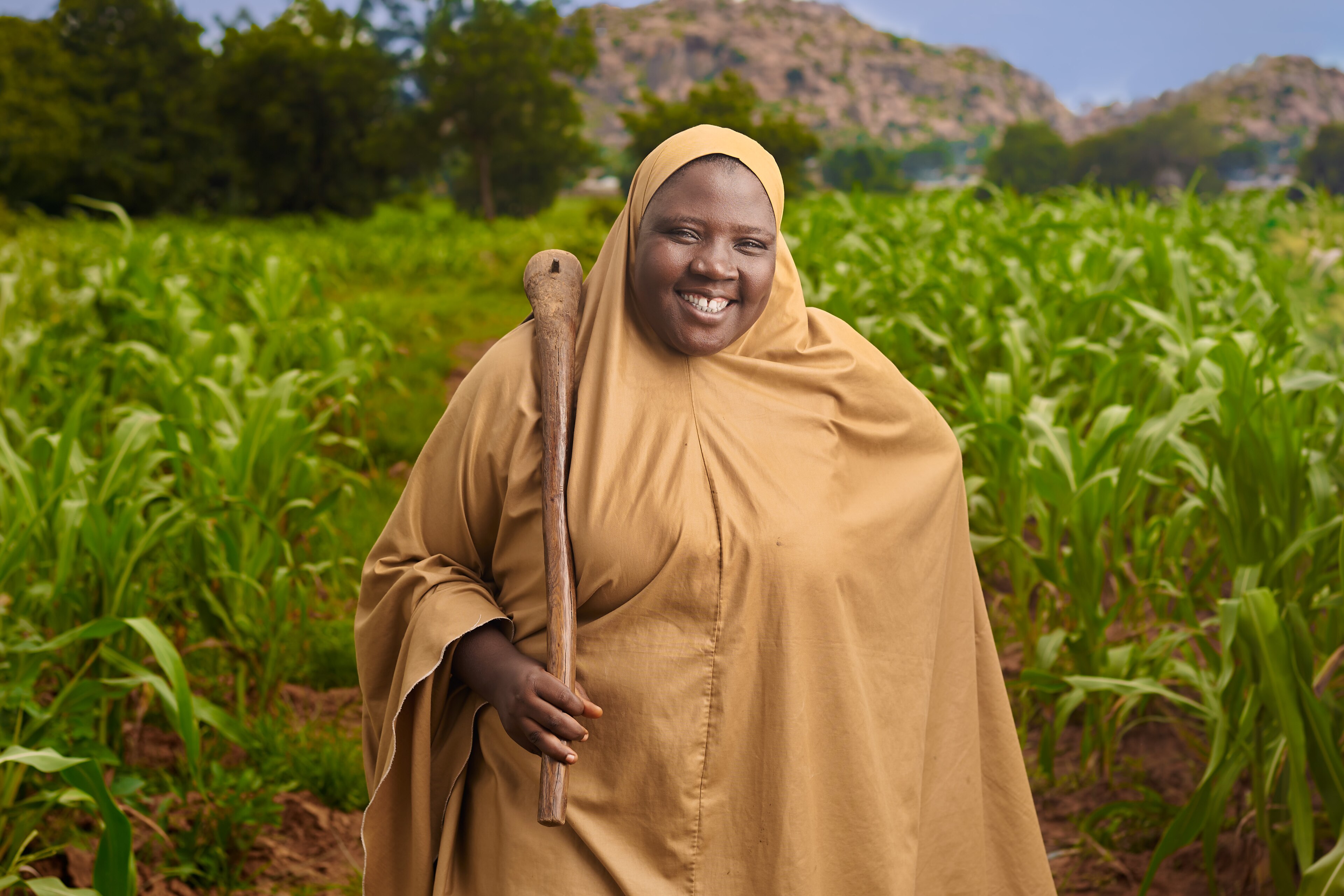
ActionAid Nigeria says it has equipped about 135,000 smallholder farmers and young people, most of them women, with the skills to adopt climate-resilient farming, even as it raises alarm over farmland being swallowed by housing development. The Country Director, Andrew Mamedu, made the disclosure at a national town hall meeting on land access for women farmers and young people in Abuja, according to The Guardian.
Training Meets a Land Squeeze
The training was delivered under the Strategic Partnerships for Agroecology and Climate Justice in West Africa project, which promotes agroecology and inclusive food systems, according to the News Agency of Nigeria. Mamedu said the conversion of farmland to residential use is creating significant barriers to accessing land, warning that Nigeria is already grappling with climate shocks, land degradation and rising food insecurity, as The Guardian reported. He described land disputes, insecurity, gender discrimination and weak land administration as persistent obstacles that fall hardest on women and youth.
Small Wins on Access
Despite the pressures, the organisation reported gains in helping farmers secure land, including three hectares allocated in Ibusa, Delta State for an agroecology model farm, 17 hectares committed across Dutse, Kiyawa and Miga in Jigawa, and acreage secured by women farmers in Ondo and Delta through community engagement, according to the News Agency of Nigeria. Mamedu pressed for inclusive land governance to support the National Agroecology Strategy that the Federal Ministry of Agriculture and Food Security developed with ActionAid, a call the ministry's Permanent Secretary, Dr Marcus Ogunbiyi, acknowledged by conceding that structural and cultural barriers still limit women's access to farmland.
Who controls farmland shapes who grows the nation's food and how much reaches the market. FoodPrices Nigeria tracks verified retail prices across Lagos markets, where pressure on farmland and the farmers who work it eventually reaches the shopper.