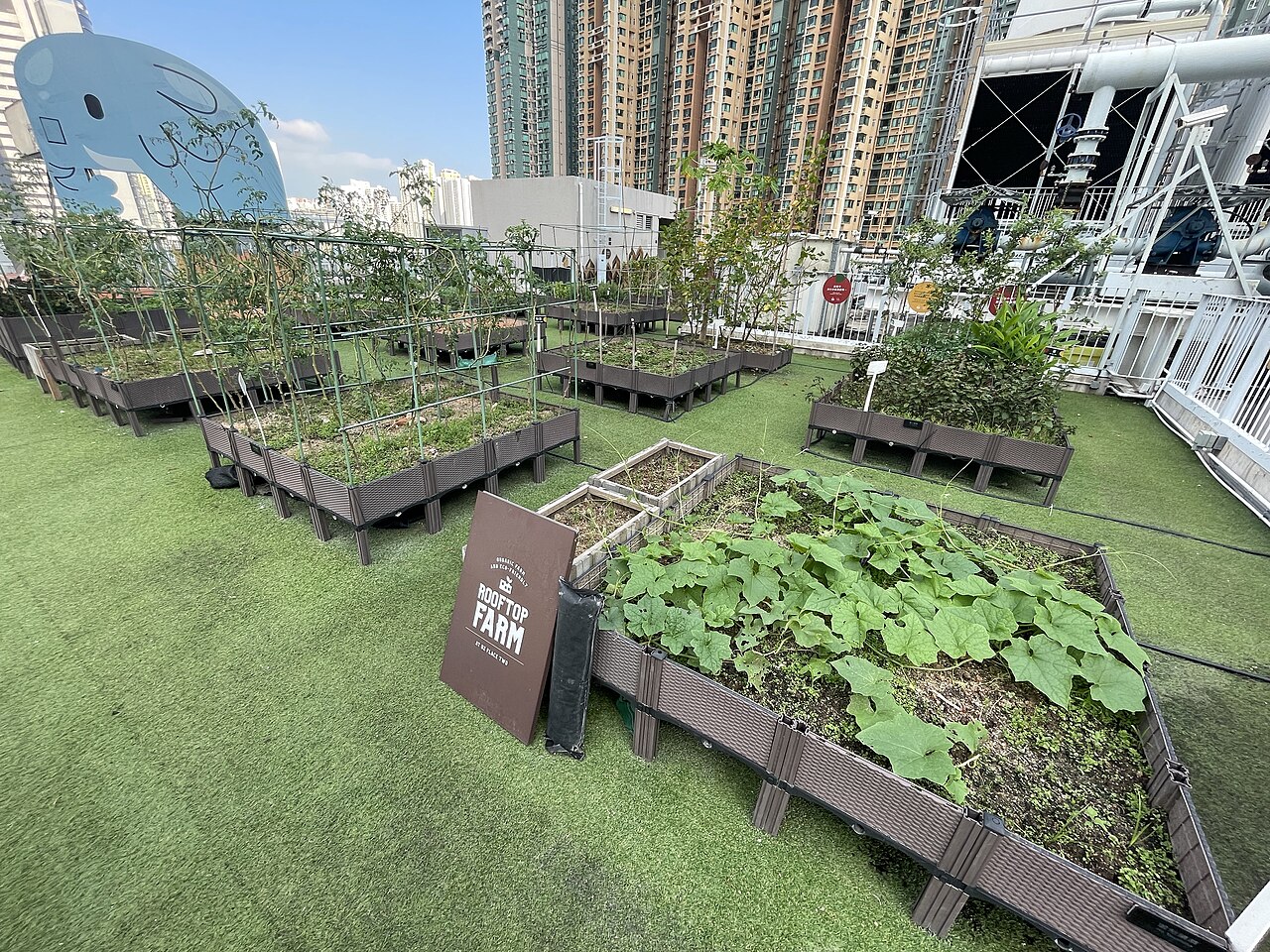
As Lagos sprawls and farmland on its fringes struggles to feed the city, a small group of growers is pushing agriculture upward, stacking crops on rooftops and inside containers rather than spreading them across land the megacity does not have. Nigeria's vertical farming scene is still an early-stage, fragmented sector dominated by small hydroponic and container operators concentrated in Lagos, Abuja and Port Harcourt, according to a market outlook by Nexdigm.
Why Grow Upward
The logic is rooted in waste. Post-harvest losses are estimated at between 40 and 50 per cent of perishable produce because of inadequate cold chains and long supply lines, which makes growing food inside the city an attractive fix, the same outlook noted. Leafy greens such as lettuce and kale dominate these farms because they mature quickly and suit soil-free systems, serving premium hotels, restaurants and health-conscious urban buyers. Beyond cutting transport losses, vertical farming lets growers produce consistently through the year regardless of the weather outside, according to Climate Action Africa, which noted that abandoned buildings and unused rooftops can be turned into steady sources of fresh produce.
The People Doing It
The movement has a human face. Ifeoluwa Adedayo, a 27-year-old graduate, runs a hydroponic farm on the rooftop of her family home in Surulere, Lagos, one example of a broader pattern of young Nigerians experimenting with soil-free growing, according to Vertical Farm Daily. Hydroponics grows plants in nutrient-rich water rather than soil, which suits urban areas where land is scarce and lets growers stack crops in layers to maximise yield per square metre, a technique the market's operators are adapting to the Lagos context.
A Fix for a Shrinking Land Base
The pressure on land gives the idea urgency. Rapid urbanisation is concentrating population growth in cities even as farmland degrades, with an estimated 924,000 square metres of Nigeria's arable land lost to degradation daily as of 2019, according to Climate Action Africa. High-rise estates in Lagos, Abuja and Port Harcourt lean heavily on food trucked in from far away, which raises costs and emissions, according to a study published by Science Publishing Group, which argued that vertical farming could ease urban food insecurity if supported by policy.
What Holds It Back
The barriers are cost and rules. Equipment, climate control and skilled labour remain expensive, and Nigeria still lacks a comprehensive urban agriculture policy to guide large-scale adoption, the same study noted. The sector is expected to move only gradually from its fragmented base toward commercial viability, according to Nexdigm, which means rooftop lettuce will not upend the market any time soon.
Still, food grown in the city is food that does not spoil on the road. FoodPrices Nigeria tracks verified retail prices for vegetables and staples across Lagos markets, where shorter supply chains could, over time, steady what households pay.
#UrbanFarming, #VerticalFarming, #Hydroponics, #Lagos, #FoodSecurity, #Nigeria, #FoodPrices, #Agritech, #PostHarvestLoss