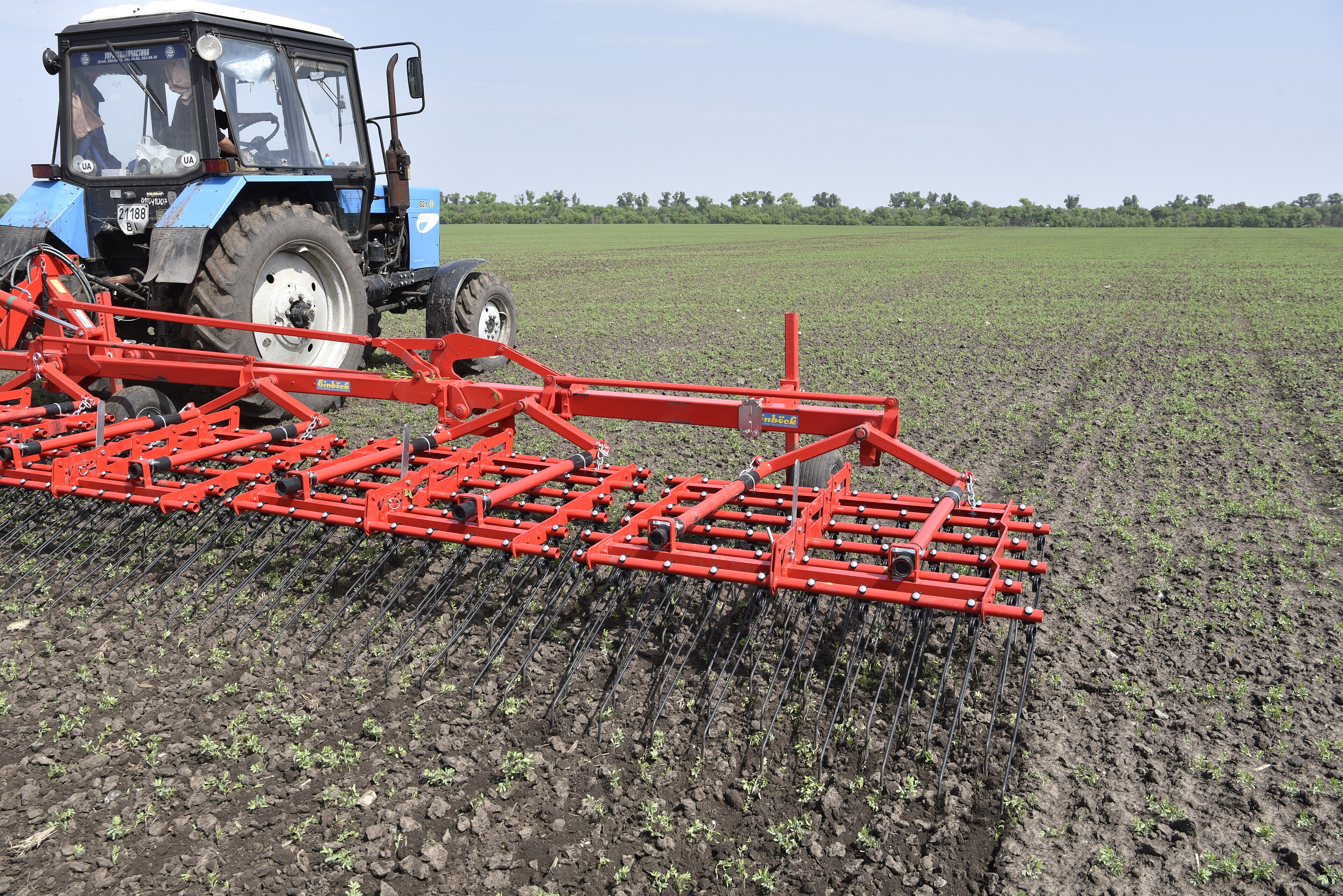
The All Farmers Association of Nigeria has warned that economic and security pressures could undermine efforts to lift agricultural productivity this year, identifying the soaring cost of farm inputs as a major obstacle as the planting season begins. The caution comes from people closest to the soil, at the moment the season's outcome is being decided.
The Cost of Putting a Crop in the Ground
AFAN Vice President Daniel Okafor pointed to the rising cost of fertilisers, improved seeds, and agrochemicals, alongside sharply higher labour costs, as the central problems facing growers this year. He noted that these expenses fall hardest on smallholder farmers, who account for more than 70% of Nigeria's food output. When the people who grow most of the nation's food cannot afford to plant at full capacity, the shortfall eventually reaches the market in the form of thinner supply and higher prices.
Financing sits at the root of the squeeze. AFAN's leadership has separately argued that the inability to access credit and hire equipment is the main constraint on farmer productivity, tying the cost problem directly to the absence of affordable capital for smallholders.
A Lean Season With a Hard Number Attached
The warnings are not abstract. The Food and Agriculture Organisation and its partners have projected that about 35 million Nigerians could face acute hunger during the June to August 2026 lean season if urgent interventions are not implemented. A separate Cadre Harmonisé analysis put the figure at 34.7 million people across 27 states and the FCT, with insurgency, banditry, kidnapping, food imports that weakened rural economies, and climate shocks named among the key drivers.
What Stakeholders Are Asking For
Farm groups have repeatedly urged the federal government to strengthen rural security, expand access to affordable credit and subsidised inputs, and invest in climate-smart agriculture to head off a deeper crisis. The logic is straightforward, since insecurity that keeps farmers off their land and input costs that price them out of full planting both shrink the harvest that ultimately determines national supply.
FoodPrices Nigeria tracks retail food prices across Lagos markets, where the consequences of a constrained planting season are eventually counted at the stall.
This article touches on hunger and food insecurity, which are sensitive subjects, and readers seeking assistance can contact relevant federal and state food-security agencies for support.