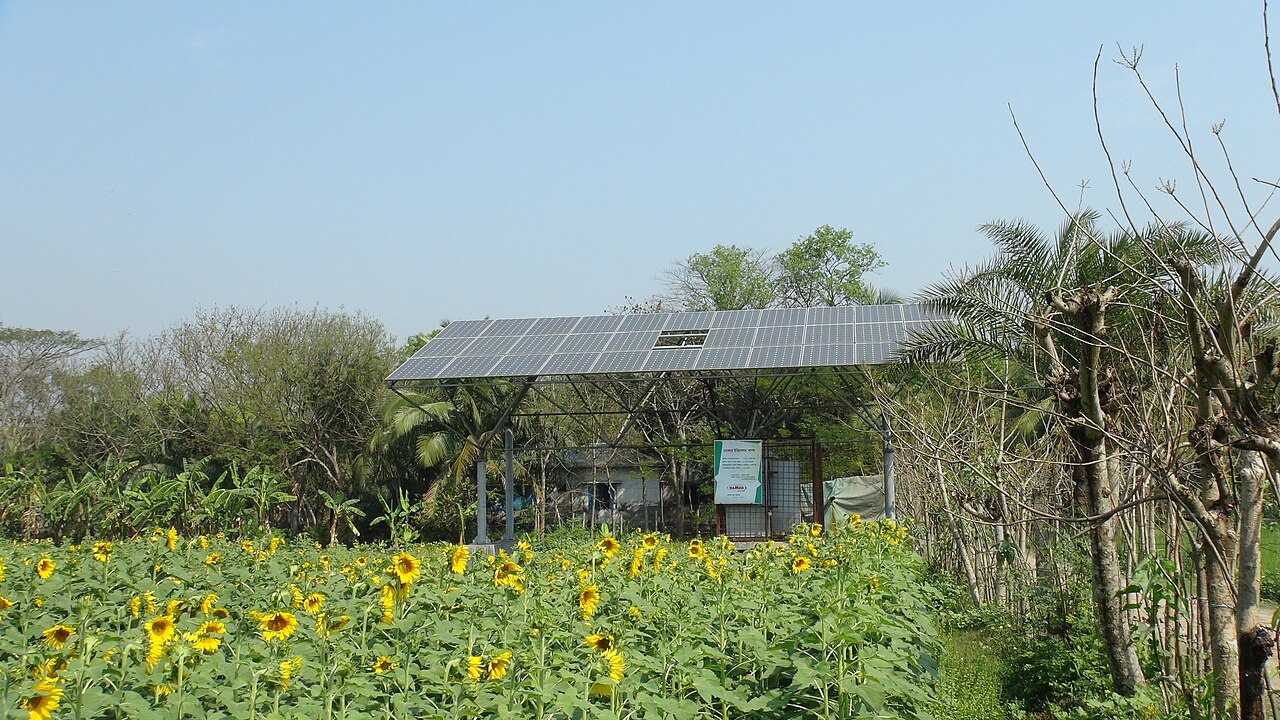
The cost of running a water pump has quietly become one of the biggest decisions on a Nigerian farm. Since fuel subsidies ended in 2023, diesel and petrol prices have climbed steeply, and for smallholders who irrigate their fields, that has meant smaller harvests or none at all in the dry season. A growing number are now switching to the sun.
A Cheaper Way to Water the Field
In Kano State, farmers who once depended on costly fuel pumps say solar-powered irrigation has transformed their yields. One onion grower reported harvesting six large sacks from a plot that used to give three or four, while a neighbour said his stunted maize and cucumber crops recovered once he no longer had to ration petrol, according to TriplePundit. The stakes are high in a country where about 63 per cent of the population lives below the poverty line and many rural families skip dry-season farming entirely because they cannot afford fuel, the same report noted.
A National Push
The momentum is now being pushed from the top. Nigeria's National Economic Council has urged more farmers to adopt solar irrigation and directed the Minister of Budget and Economic Planning to fund the production and distribution of pumps to farmers across the country, according to TriplePundit. The government has also removed import duties on solar components and is encouraging domestic assembly, with the mass deployment of locally manufactured, cost-effective solar irrigation pumps for the dry season promoted as a way to replace expensive fossil-fuel pumps, according to research published in Frontiers in Sustainable Food Systems.
States Move Too
State governments are adding their own weight. Jigawa flagged off the distribution of 6,000 solar-powered irrigation pumps alongside fertilisers for 90,000 farmers under its 2026 Wet Season Agricultural Support Programme, a scheme meant to reduce irrigation costs and improve year-round farming, according to The Guardian. Analysts note that solar systems cut energy costs, improve water efficiency and support dry-season farming, allowing growers to raise vegetables and staples all year, according to a review of farm technologies in Medium.
Year-round production is one of the surest ways to smooth the seasonal price swings that hit shoppers hardest in the lean months. FoodPrices Nigeria tracks verified retail prices across Lagos markets, where the payoff from cheaper, cleaner irrigation would show up as steadier supply.
#SolarIrrigation, #Farmers, #FoodSecurity, #Nigeria, #Lagos, #FoodPrices, #DrySeasonFarming, #CleanEnergy, #Agriculture