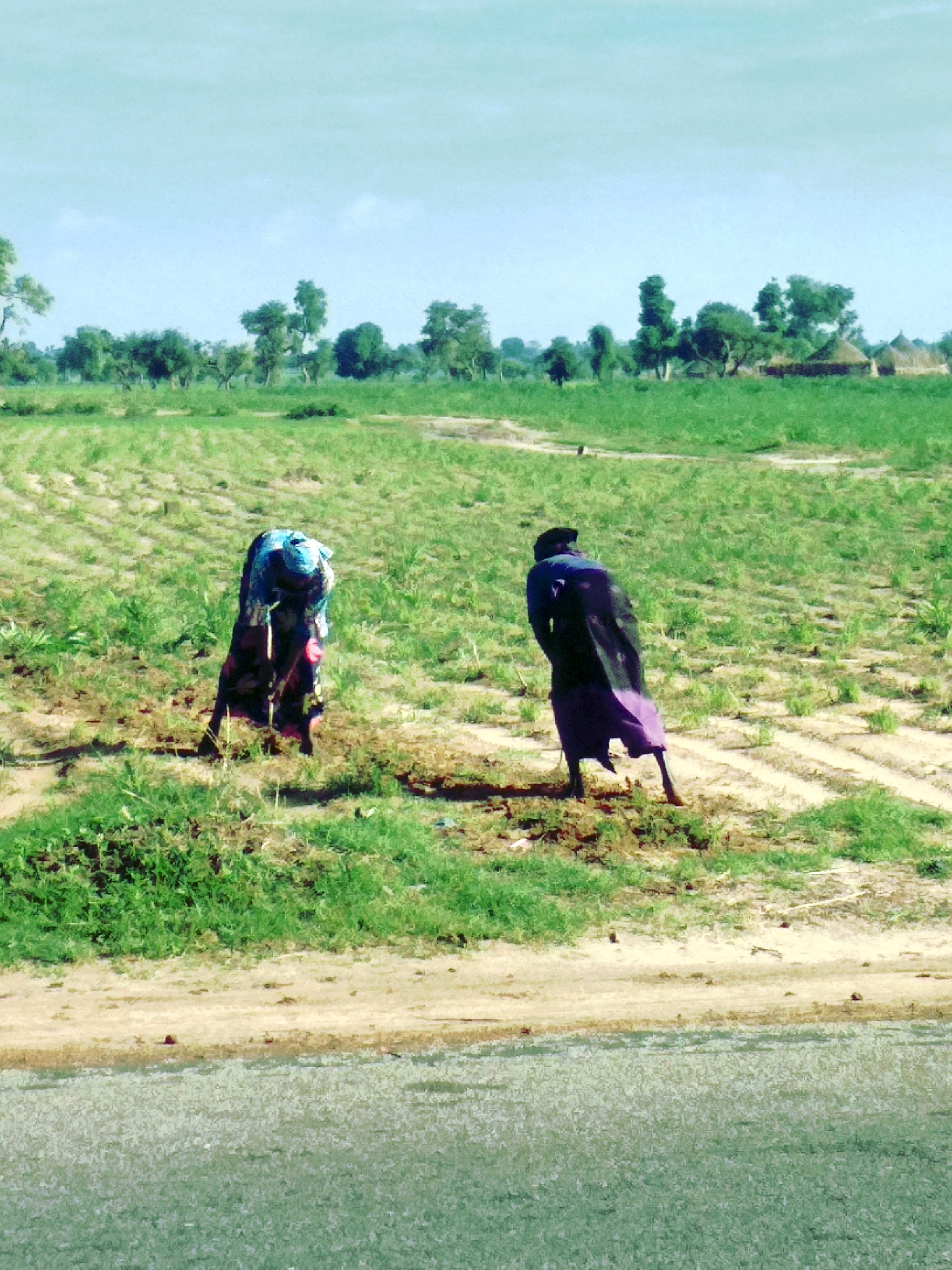
The rising cost of farming is quietly shrinking Nigeria's harvest before it even reaches the ground. Farmers and input suppliers in the Bwari area of the Federal Capital Territory have warned that the soaring prices of fertilisers, improved seeds and agrochemicals are threatening food production and squeezing livelihoods, according to Daily Trust.
Buying in Mudus, Planting Less
The strain is changing how farmers plant. Many have reduced the size of the land they cultivate because they can no longer afford the recommended rates of fertiliser and other inputs, Daily Trust reported. A fertiliser dealer at Zamayi Market, Ibrahim Musa, said the cost of major inputs had risen significantly in 2026 compared with previous seasons, and that customers who once bought 20 or 30 bags now settle for five or 10, while others buy in small mudu measures or walk away after hearing the price. Another supplier, Deborah Mai-Kasuwa, blamed transport costs and inflation for driving prices higher, and both said sales had dropped as purchasing power weakened.
A Threat to the Next Harvest
Experts warn the squeeze strikes at the heart of food security. Affordable access to farm inputs remains critical to improving productivity, strengthening food security and reducing rural poverty, an agricultural expert in the area, Olatunbosun Akinsoye, told Daily Trust. The warning echoes a wider industry alarm, with stakeholders noting that farmers still struggle to access affordable credit, quality seeds and equipment, while weak storage and poor logistics drive high post-harvest losses, according to Leadership.
Why It Reaches the Market
When farmers plant less and feed their crops less, the harvest shrinks, and a smaller harvest tightens supply and props up prices. The pressure is already visible in the data, with the National Bureau of Statistics putting food inflation at 17.52 per cent year-on-year in June 2026 even as headline inflation eased, according to Premium Times.
FoodPrices Nigeria tracks verified retail prices across Lagos markets, where the cost of a bag of fertiliser today becomes the price of a basket of food tomorrow.