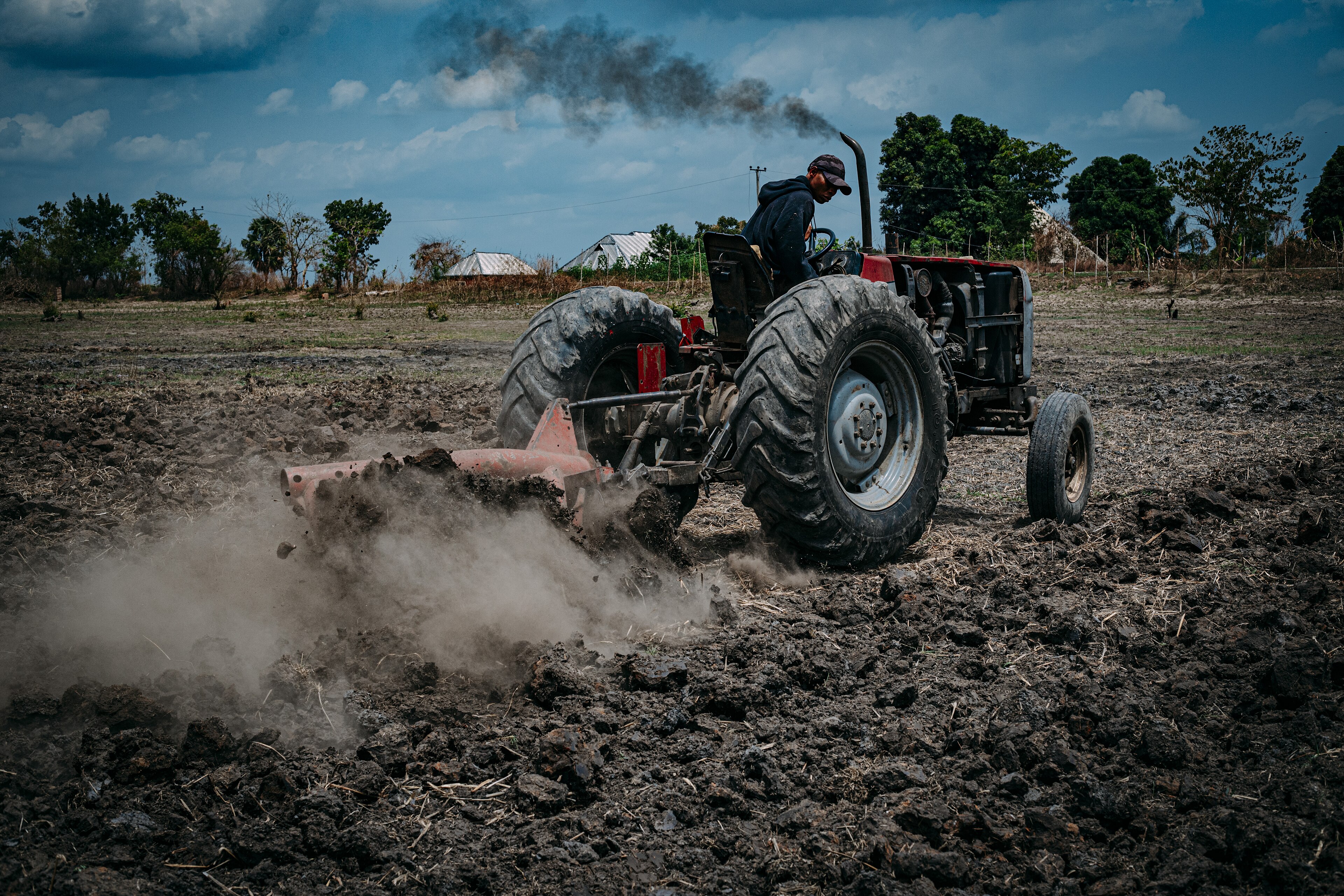
The cost of a tractor puts mechanised farming out of reach for most Nigerian smallholders, so a new partnership is betting on renting rather than owning. The Equipment Leasing Registration Authority and Heifer Nigeria Ltd/GTE have signed a two-year agreement to give thousands of farmers affordable access to modern farming equipment through leasing schemes, according to Vanguard.
How the Deal Works
The memorandum runs from August 15, 2026, to August 14, 2028, and is designed to lift productivity in Benue, Nasarawa, Ogun and Edo States under Heifer Nigeria's flagship Naija Unlock Programme, the Vanguard report noted. Under the arrangement, farmers can acquire tractors, irrigation systems, processing equipment and other productive assets without the heavy financial burden of buying them outright, spreading the cost over time instead of paying it all at once. By registering and standardising leasing agreements, the authority aims to make it safer for equipment owners to hire out machines and easier for farmers to find them.
Why Access to Equipment Matters
The barrier the deal targets is well documented. Nigerian agriculture suffers from low productivity owing to limited access to high-quality seeds and fertilisers, inadequate land tenure systems and low levels of irrigation, according to the African Development Bank, which has committed its own financing to lift output and cut food imports. The stakes are high because smallholder farmers, most of them cultivating between half a hectare and one hectare, produce close to 90 per cent of Nigeria's food, according to the Bank of Agriculture's Managing Director, Ayo Sotirin, in an interview with BusinessDay. Giving those farmers a way to plough, irrigate and process more land can lift yields without asking them to find scarce capital up front.
One Machine, Many Farms
Leasing schemes let a single tractor or processing unit serve many farms, which suits a country where holdings are small and scattered and where buying a machine outright would take years of a smallholder's income. The choice of Benue, Nasarawa, Ogun and Edo spreads the pilot across both the Middle Belt food basket and the humid south, testing the model in different cropping systems. Naija Unlock, Heifer's flagship programme, is built around turning subsistence farmers into more productive, market-oriented producers, and cheaper access to mechanisation is one of the clearest ways to raise the output they bring to market.
A Model That Could Spread
If the ELRA and Heifer partnership succeeds across its four pilot states, it offers a template that other states and private operators could copy to close the mechanisation gap that has long held back Nigerian yields. The approach also fits a wider national drive toward equipment-leasing hubs and mechanisation services that reach farmers who cannot afford their own machines.
More equipment on more farms should mean larger harvests and steadier supply over time. FoodPrices Nigeria tracks verified retail prices across Lagos markets, where the results of a better-equipped farming sector eventually reach the shopper.