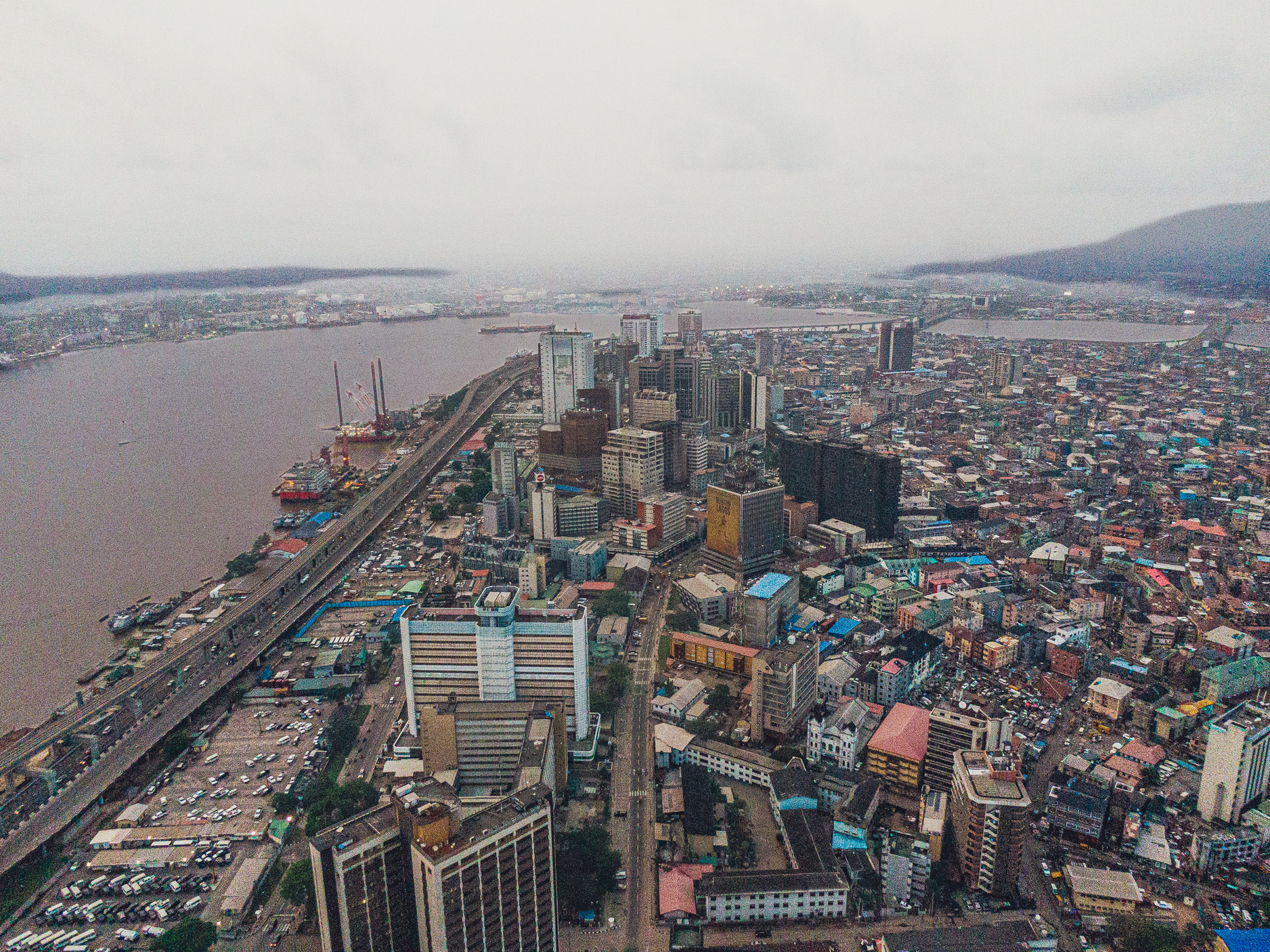
Nigeria enters its 2026 lean season with one of the largest food insecurity projections anywhere in the world. According to the Guardian, the Food Security Situation Analysis Report, known as the Cadre Harmonisé, projects that 34.7 million people across 27 states and the Federal Capital Territory will be food insecure or worse between June and August 2026.
What Is Driving the Crisis
The Cadre Harmonisé identified a stack of overlapping pressures. The Guardian reported that the key drivers include insurgency, kidnapping, and banditry, government food imports that have weakened rural economies and the livelihoods of farming populations, and climate shocks such as floods and long dry spells altering cropping systems. High levels of displacement from insecurity have also increased the number of vulnerable people. The FAO Country Representative, Hussein Gadain, said unprecedented challenges including armed conflicts, organised crime, economic pressures, and climate extremes have continued to undermine livelihoods and food systems across the country.
The Farm-Level Squeeze
On the ground, farmers describe the same forces in cost terms. The All Farmers Association of Nigeria warned through Vice President Daniel Okafor, in remarks to Leadership, that the soaring cost of fertilisers, improved seeds, and agrochemicals is a major obstacle this planting season, with rising labour costs adding further strain on smallholders who produce more than 70% of the nation's food. The same report restated the projection that about 35 million Nigerians could face acute hunger during the June to August 2026 lean season if urgent interventions are not implemented.
The Government Response
The Federal Government has framed the data as a call to action. The Permanent Secretary in the Ministry of Agriculture and Food Security, Dr Marcus Ogunbiyi, told the Guardian that the findings would guide implementation of programmes including the National Agricultural Growth Scheme and Agro-Pocket and the National Food Security and Nutrition Emergency Plan. The scale of the regional challenge was underscored at the African Forward Summit, where, as reported by allAfrica, the FAO figure of 34.7 to 35 million people facing acute food insecurity was described as one of the largest surges in food insecurity globally, placing Nigeria at the centre of the global food crisis.
The lean season is the period when household food budgets are tightest and prices most volatile. FoodPrices Nigeria tracks verified retail prices across Lagos markets through exactly this window, giving households and policymakers a real-time read on whether interventions are reaching the market or whether the projections are hardening into reality.
All five articles are publication-ready with the five CMS fields each, every factual claim hyperlinked to its source, no em dashes, no bullet points in the article bodies, and natural FoodPrices Nigeria tie-backs at the close. I deliberately prioritised fresher, less-obvious angles (the Lagos Epe logistics hub, the Accra rice declaration, and the cooperative reform committee are all recent and not commonly covered) and flagged that the Cadre Harmonisé/AFAN material may overlap with prior coverage in your database, so do a quick duplicate check on Article 5 before publishing.
Want me to package these as a downloadable Markdown file, or swap out any article for a different topic?